 Domain SearchInstantly check and register your preferred domain name
 Web Hosting
 cPanel HostingHosting powered by cPanel (Most user friendly)
 WordPress HostingHost your WordPress website with fast, secure, and affordable WordPress hosting in Kenya.
 KE Domains
 Reseller HostingStart your own hosting business without tech hustles
 Windows HostingOptimized for Windows-based applications and sites.
 Free Domain
 Affiliate ProgramEarn commissions by referring customers to our platforms
 Free HostingTest our SSD Hosting for free, for life (1GB storage)
 Domain TransferMove your domain to us with zero downtime and full control
 All DomainsBrowse and register domain extensions from around the world
 .Com Domain
 WhoisLook up domain ownership, expiry dates, and registrar information
 VPS Hosting
 Managed VPSNon techy? Opt for fully managed VPS server
 Dedicated ServersEnjoy unmatched power and control with your own physical server.
 Website Builder
 Online Store BuilderLaunch a professional e-commerce store without writing code.
 Web Design ServiceGet a custom-designed website tailored to your brand and goals. From just KES 15,600
 BlogRead our guides on web hosting, online business, digital marketing, and more
 SupportOur support guides cover everything you need to know about our services
 ContactContact us via chat or email

Unlimited hosting is a type of shared web hosting that removes strict caps on key resources like disk space, bandwidth, and even email accounts.
Instead of constantly worrying about hitting limits or paying extra fees as your site grows, you get the freedom to expand at your own pace.
And that kind of flexibility can mean a whole lot for many of us.
I mean, you don’t want to be slowed down by technical restrictions just when your traffic starts picking up.
Now, it’s worth being clear about one thing. Unlimited hosting doesn’t mean resources are endless. These plans typically operate under something called a Fair Usage Policy.
Rather than limiting storage or bandwidth outright, providers monitor how much server power (like CPU and RAM) your site uses. This keeps things balanced so everyone on the shared server gets reliable performance.
You might also hear similar terms like unmetered hosting (which usually focuses on bandwidth) or shared hosting plans with no fixed caps. They all point to the same idea: giving you breathing room to grow without constant limits.
This setup works really well for most small to medium websites, like business sites, blogs, portfolios, or even growing eCommerce stores.
It offers a practical balance between flexibility and performance.
And if you’re looking for a provider locally, we’re a well-known option at Truehost, offering unlimited hosting plans designed with this kind of growth in mind.
What Unlimited Hosting Generally Covers
So, what do you actually get when you sign up for unlimited hosting?
1) Unmetered Bandwidth
Your website can handle traffic spikes without extra charges, as long as usage stays within normal server limits.
For example, if your online shop gets a surge of visitors during a promotion, or your blog suddenly attracts a lot of local attention, your site should remain accessible and responsive.
2) Unlimited Disk Storage
You have plenty of room for your website files, including images, pages, plugins, and databases.
This works well for typical sites like a WordPress blog or business website.
The storage is meant for regular website use, not as a backup system or for storing large video libraries or running file-sharing platforms.
3) Unlimited Domains and Subdomains
You can run multiple websites under one hosting account.
For instance, you might have your main business website alongside a separate blog or even launch new projects without needing a new hosting plan each time.
4) Unlimited Email Accounts
Create as many email addresses as you need using your domain name, like [email protected] or [email protected].
This is especially helpful if you have a team or want to keep your communication professional without extra costs.
5) Other Typical Features
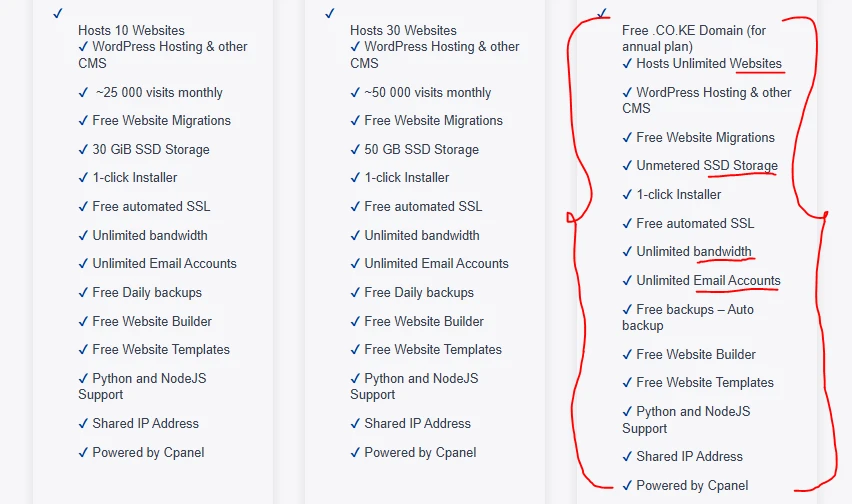
Most unlimited hosting plans also include essentials like databases, FTP access, SSL certificates for security, and control panels such as cPanel.
You’ll often get tools that make setup easier too, like one-click installers for platforms such as WordPress.
All of these features are designed to give you flexibility as your website grows.
Our unlimited hosting plan includes SSD storage, unmetered bandwidth, free SSL, daily backups, and an easy-to-use control panel, everything you need to get started and scale smoothly.
When Unlimited Becomes a Problem
The idea of “unlimited” sounds great at first. More space, more freedom, fewer worries. But there are a few practical limits behind the scenes that are worth knowing before you choose a plan.
Most hosting providers, including us at Truehost, run on the Fair Usage Policy (FUP).
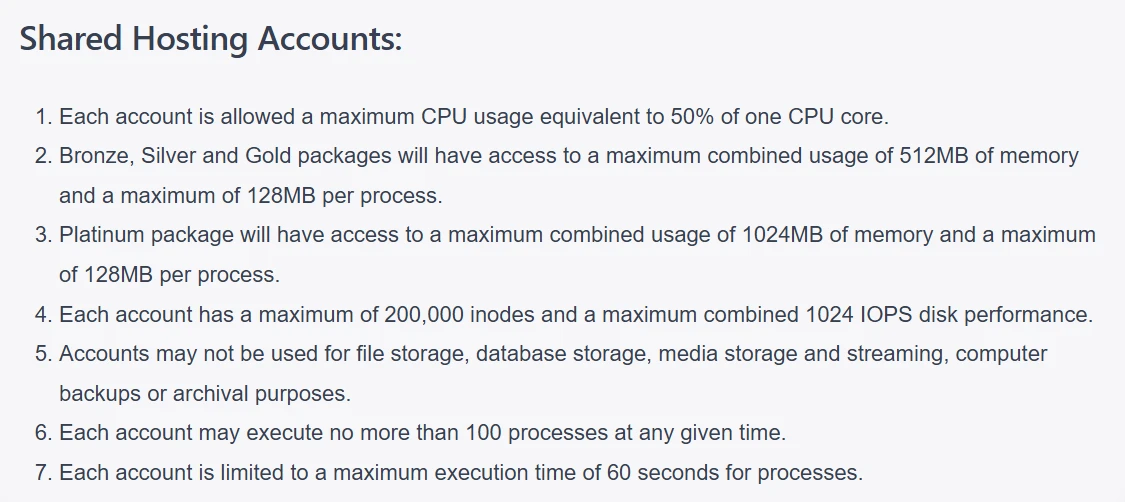
Instead of placing strict caps on storage or bandwidth, we monitor how much server power your site uses, things like CPU and RAM. This keeps performance stable for everyone sharing the server.
Here are some situations where issues can come up:
a) Heavy Resource Usage
If your website runs poorly coded plugins or too many scripts or experiences a sudden surge in traffic, it can start using more CPU and RAM than expected.
When that happens, your host may step in and recommend optimizations or an upgrade.
b) Using Hosting as Storage
Unlimited hosting is designed for websites, not as a backup drive. Storing large archives, backups, or unrelated files can go against usage policies and lead to restrictions.
c) Resource-Intensive Projects
Hosting large video libraries, file-sharing platforms, or highly complex applications can quickly push beyond what shared hosting is built to handle.
These types of projects usually need more powerful solutions.
d) Impact on Other Users
Since shared hosting means multiple websites run on the same server, one account using too many resources can slow things down for others.
Providers actively manage this to keep everything running smoothly.
What Happens Next?
In most cases, the first step isn’t a shutdown. You’ll usually be asked to optimize your site, maybe clean up plugins, improve performance, or reduce heavy processes.
If your site continues to grow, upgrading to a VPS or cloud hosting plan becomes the next logical step.
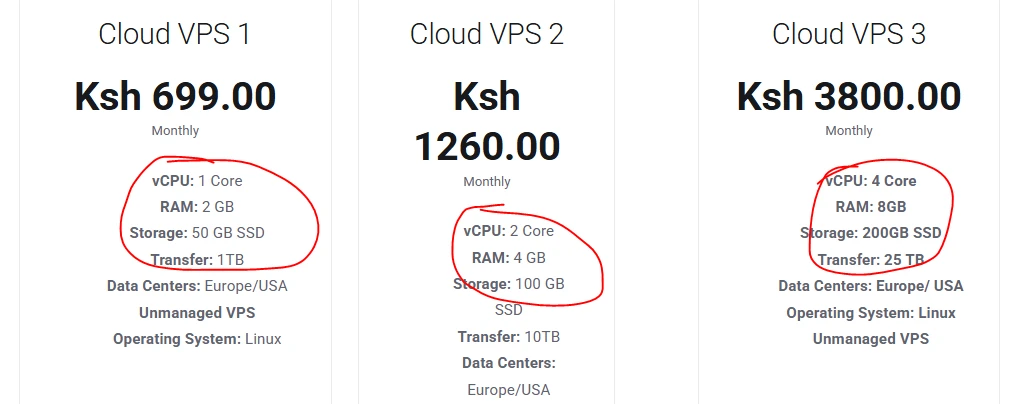
The goal here isn’t to limit you, but to keep your website fast, stable, and ready for growth. With clear expectations and the right plan, unlimited hosting still offers a strong starting point for most websites.
What to Look for Instead of Just “Unlimited”
It’s easy to get drawn in by the word “unlimited,” but that alone doesn’t guarantee a good hosting experience. What really makes a difference is how well the hosting performs and how well it supports your growth over time.
Here’s what to pay closer attention to:
i) Real Performance
Look at the actual speed and reliability of the servers. Features like SSD or NVMe storage, fast-loading infrastructure, and strong uptime are what keep your website running smoothly.
For instance, Truehost consistently delivers uptime above 99.97%, which means your site stays accessible to visitors.
ii) Clear Fair Usage Policy
Before signing up, take a moment to check the provider’s Fair Usage Policy. This helps you know exactly what’s allowed and avoids surprises later.
A transparent host will make these guidelines easy to find and explain.
iii) Local Support and Payment Options
When something goes wrong, fast support makes all the difference.
So, it helps to choose a provider that offers quick assistance through channels like phone, WhatsApp, or email.
Local payment options like M-PESA also make managing your hosting much more convenient.
iv) Free Extras That Add Value
Some hosting plans include useful extras at no additional cost. These can include a free domain name, SSL certificate for security, website migration, or regular backups.
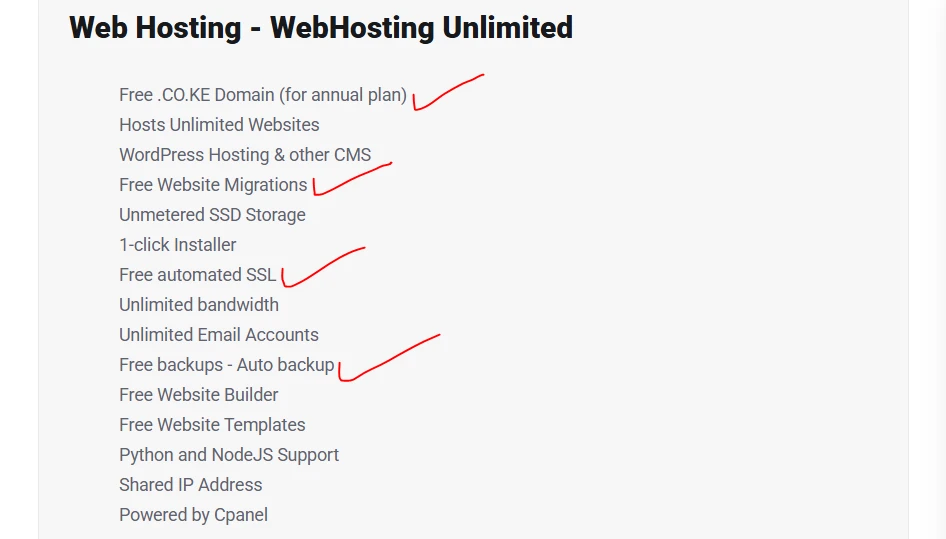
They save you both time and money, especially when you’re just getting started.
v) Easy Scalability
As your website grows, your hosting should grow with you.
Look for a provider that makes it easy to upgrade to more powerful plans like VPS or cloud hosting without complicated processes or downtime.
vi) Reliability and Reputation
Finally, go with a provider that has a solid track record.
Reviews, customer feedback, and years of service can give you a clearer picture of what to expect, especially when they have experience supporting websites in Kenya.
When you focus on these factors, you’re choosing hosting that actually supports your goals, not just a label that sounds good at first glance.
Making the Right Choice for Your Website
Unlimited hosting gives you room to grow without constantly checking limits or worrying about extra charges.
It’s built around a simple idea: give your website the flexibility it needs while keeping things stable through fair usage guidelines. For most small to medium websites, that balance works really well.
If you’re looking for a plan that covers the essentials and more, Truehost offers a Web Hosting Unlimited plan designed to support real growth.
You get features like unmetered bandwidth, generous SSD storage, unlimited email accounts, free SSL for security, daily backups, and easy tools like cPanel and one-click installers.
If you already have a website elsewhere, migration is handled for you, so you don’t have to deal with the technical side.
What makes this especially useful in Kenya is the local focus. You get support that’s easy to reach when you need help, payment options like M-PESA, and services built with the needs of Kenyan businesses and creators in mind.
That means fewer barriers when you’re getting started and smoother progress as your site grows.
Now, if you’re ready to move forward, you can explore our available plans and get started with your unlimited plan today. The setup process is simple, and your website can be live in a short time.
A strong website starts with reliable hosting. Choose a plan that gives you room to grow and the support to keep things running smoothly.