 Domain SearchInstantly check and register your preferred domain name
 Web Hosting
 cPanel HostingHosting powered by cPanel (Most user friendly)
 WordPress HostingHost your WordPress website with fast, secure, and affordable WordPress hosting in Kenya.
 KE Domains
 Reseller HostingStart your own hosting business without tech hustles
 Windows HostingOptimized for Windows-based applications and sites.
 Free Domain
 Affiliate ProgramEarn commissions by referring customers to our platforms
 Free HostingTest our SSD Hosting for free, for life (1GB storage)
 Domain TransferMove your domain to us with zero downtime and full control
 All DomainsBrowse and register domain extensions from around the world
 .Com Domain
 WhoisLook up domain ownership, expiry dates, and registrar information
 VPS Hosting
 Managed VPSNon techy? Opt for fully managed VPS server
 Dedicated ServersEnjoy unmatched power and control with your own physical server.
 Website Builder
 Online Store BuilderLaunch a professional e-commerce store without writing code.
 Web Design ServiceGet a custom-designed website tailored to your brand and goals. From just KES 15,600
 BlogRead our guides on web hosting, online business, digital marketing, and more
 SupportOur support guides cover everything you need to know about our services
 ContactContact us via chat or email
A virtual private server (VPS) gives you dedicated CPU, RAM, and storage carved out just for you, plus full root access to configure your environment however you need it.
I mean, with shared hosting things can feel fine until they don’t.
Why? Well, one traffic spike slows your site to a crawl. A software requirement your host won’t support. A growing business that simply needs more room to breathe.
These aren’t edge cases, but the exact moments that would push a website owner or a developer like you toward a better solution.
But with a VPS, there are no noisy neighbors hogging your resources and no restrictions on what you can install. And unlike dedicated servers, you’re not paying for an entire machine when you only need a fraction of one.
Now, our question here is, when does one actually make sense for you? What are the reasonable VPS use cases?
To answer that, we need to evaluate scenarios where a VPS stops being a luxury and starts being the obvious choice.
These are like traffic growth that shared hosting can’t absorb, custom software stacks, privacy requirements, round-the-clock operations, and more.
So in the sections ahead, we’ll look at seven common VPS use cases and workloads where a VPS can make a noticeable difference.
7 Scenarios Where You Can Use VPS
1) High-Traffic Web and E-commerce Hosting
One of the most common reasons people upgrade to a VPS is website growth.
Shared hosting works well enough until a flash sale hits, a product goes viral, or your store simply grows to a point where the infrastructure can’t keep pace.
And when traffic surges on your WooCommerce store, Magento website, or custom online marketplaces, shared environments have nowhere to go. Resources are split across hundreds of accounts, and yours competes for whatever’s left.
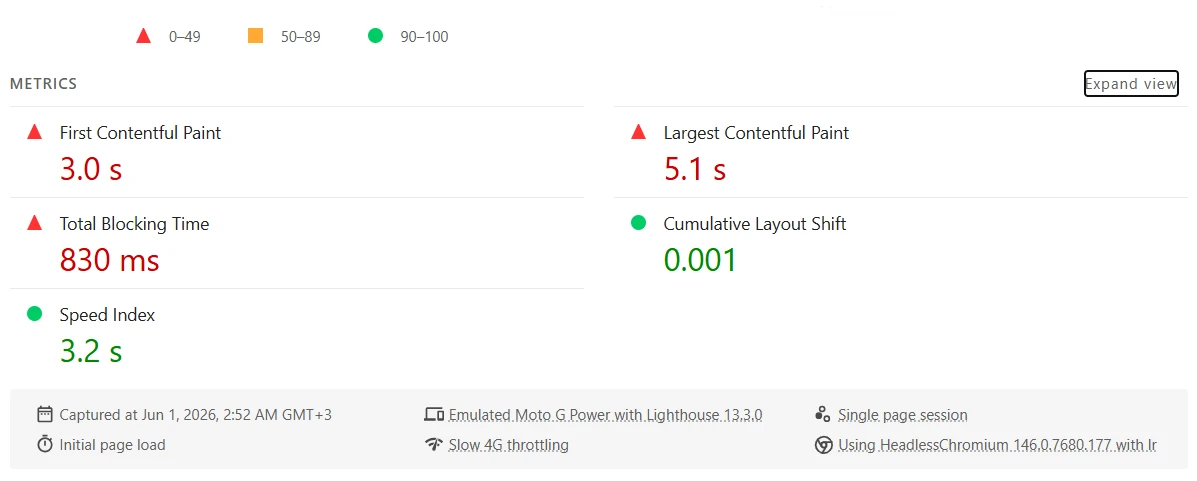
In such cases, pages may load more slowly, checkout processes can become frustrating, and websites may struggle to stay responsive during these busy periods.
A VPS changes that equation.
Your CPU, RAM, and storage are guaranteed and not borrowed from a common pool, which means your store keeps loading fast regardless of what’s happening on someone else’s site.
This setup works particularly well for Kenyan online shops, with practical consequences beyond just speed:
- Fast load times reduce cart abandonment.
- A stable checkout experience builds customer trust.
- If you’re processing card payments, VPS environments are far better suited to meeting PCI compliance requirements than shared plans.
Another advantage is scalability. As your store grows, you can increase server resources without the disruption of moving to a completely different hosting solution.
Combined with local data centers, this results in faster access for regional customers and better overall performance.
2) Software Development and Testing Environments
A VPS is an excellent platform if you want to do software development, testing, and deployment.
This is because development projects often require isolated environments where applications can be built, tested, and refined before going live.
With a VPS, you can create staging environments, run CI/CD pipelines, and configure custom development stacks with nothing bleeding into production systems.
To add on, full root access gives you complete control over the server. So you can install specific programming languages, frameworks, databases, and tools that may not be available on shared hosting plans.
The flexibility of a VPS also makes experimentation easier. You can:
- Deploy new environments quickly for testing
- Modify them as requirements change
- Remove them once the work is complete
This will help your development team to test updates safely and identify issues before they affect users.
This kind of control speeds up the entire build-and-deploy cycle, especially for freelance developers, software companies, and digital agencies in Kenya.
Now, if you get our Truehost’s unmanaged VPS plans, they give you complete control over your environment.
But with our managed plans, we handle the server administration side, like updates, security patches, and monitoring, so your focus stays on the code.
3) Deploying Game Servers
Multiplayer gaming runs on consistency.
Minecraft communities, ARK survival servers, and other popular multiplayer titles need a server that stays online around the clock, not one that hiccups under load or goes down when the host machine gets rebooted.
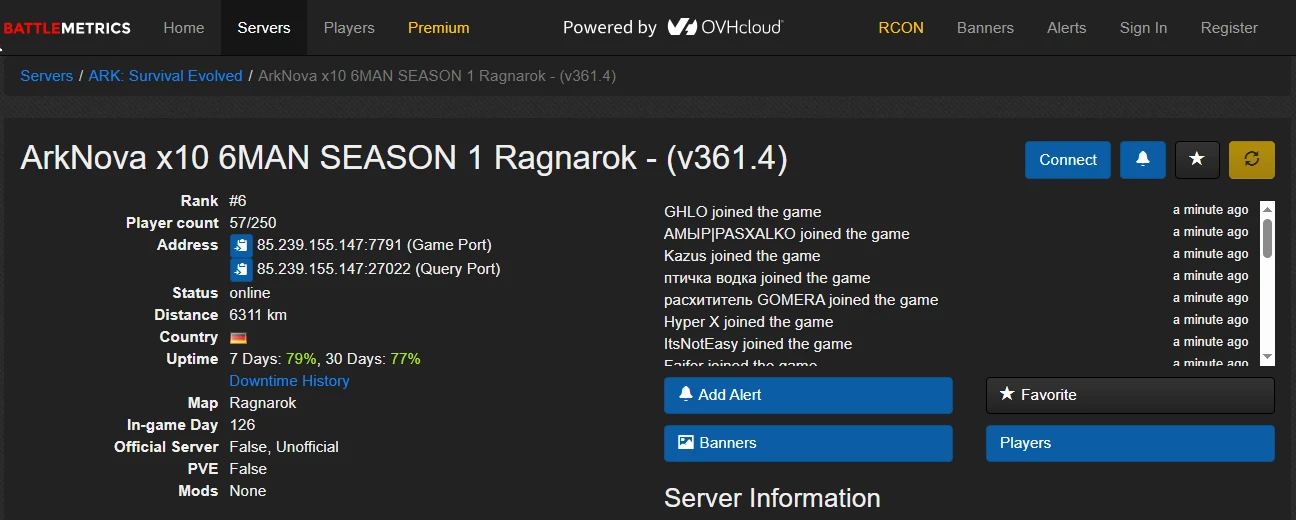
So, definitely shared hosting was never built for this.
The constant player connections, real-time data sync, and sustained resource usage that gaming demands will push a shared environment to its limits fast.
However, a VPS gives you full control over your gaming environment. You can install mods, customize server settings, manage player permissions, and maintain complete ownership of your game data.
This level of flexibility is especially valuable for gaming communities that want a unique experience tailor-made to their players.
Performance is another major advantage. With dedicated resources, high-performance SSD storage, and sufficient bandwidth, players benefit from faster response times and smoother gameplay.
Low latency helps reduce lag, creating a more enjoyable experience for everyone connected to the server.
Since a VPS operates independently from your personal computer, your game server can remain online 24/7, allowing players to connect whenever they want.
4) Private VPN and Proxy Servers
A VPS can also be used to create a private VPN or proxy server for secure internet access and remote connectivity.
Commercial VPN services are convenient, but they come with trade-offs:
- Most log your activity to some degree.
- You share infrastructure with thousands of other users.
- You’re trusting a third-party company, often based overseas, to handle your traffic responsibly.
Running your own VPN on a VPS removes those trade-offs entirely. You control the server, the configuration, and the logs, or the absence of them.
You also gain access to a dedicated IP address, which means your traffic isn’t mixed with anyone else’s, and there’s no external provider sitting between you and your data.
For businesses, a private VPN makes it easier for employees to securely access company resources while working remotely. It also helps protect sensitive information when connecting through public or unsecured networks.
Hosting a VPN on a Kenya-based VPS can provide faster local connections and support compliance with local data handling requirements.
With full administrative control, you can configure security settings, user access permissions, and network policies to meet your specific needs.
5) Private Email Servers
Most businesses start with a third-party email provider and stick with it out of habit.
It works, so there’s no reason to change, until the per-user costs start adding up, or you start asking questions about what’s actually happening to your messages behind the scenes.
Large SaaS email platforms routinely scan message content for advertising purposes.
Hence, your data sits on servers you have no visibility into, governed by privacy policies that can change. For businesses handling confidential client communication, that’s a meaningful risk that often goes unconsidered.
Running your own email server on a VPS puts that control back in your hands.
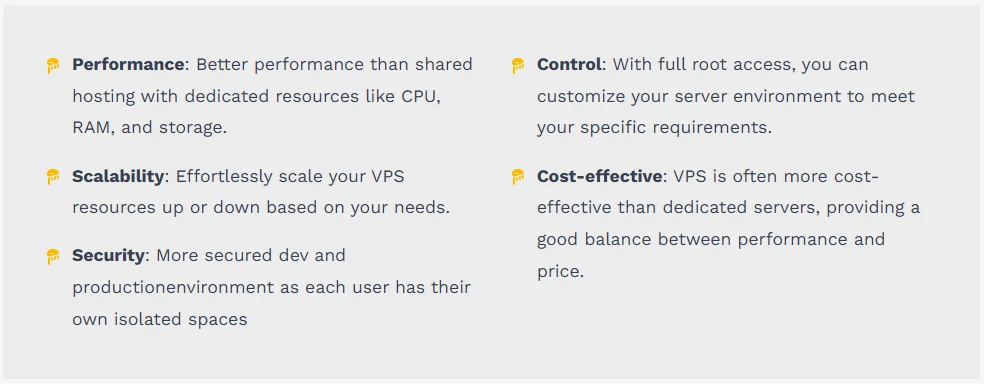
You set up custom domain addresses like @yourcompany.co.ke for as many team members as you need, without paying per seat.
Open-source mail server tools are mature and well-supported, and full encryption keeps messages protected in transit and at rest.
Now, if your business needs professional email addresses tied to your domain name while maintaining greater privacy and control, a VPS provides a reliable and cost-effective solution.
And for Kenyan companies that deal in sensitive correspondence, like legal firms, financial services, and healthcare providers, owning your email infrastructure is more than a cost decision. It’s a privacy one.
6) Hosting Custom Databases
Applications that rely heavily on data often perform better when their databases are hosted on a dedicated VPS.
Databases such as MySQL, PostgreSQL, and Redis can consume significant server resources, especially as applications grow and data volumes increase.
Running these databases on a VPS allows them to operate independently from your web server, reducing resource competition and improving overall performance.
One of the biggest advantages is faster query execution.
With high-performance NVMe or SSD storage, databases can retrieve and process information more quickly, helping applications respond faster to user requests.
Separating the database from the application server can also improve security and reliability.
Database resources remain dedicated to data processing tasks, while the web server focuses on delivering content and handling user interactions.
As your business grows, a VPS makes it easier to scale storage capacity, memory, and processing power to accommodate increasing workloads.
This makes it a strong choice for inventory management systems, analytics platforms, customer portals, SaaS applications, and other data-intensive workloads that require consistent performance.
7) Automation and Bots
Automation tools run best when they have a machine that never goes offline.
A VPS provides exactly that, making it a reliable home for trading bots, web scrapers, Telegram bots, Discord bots, and monitoring scripts.
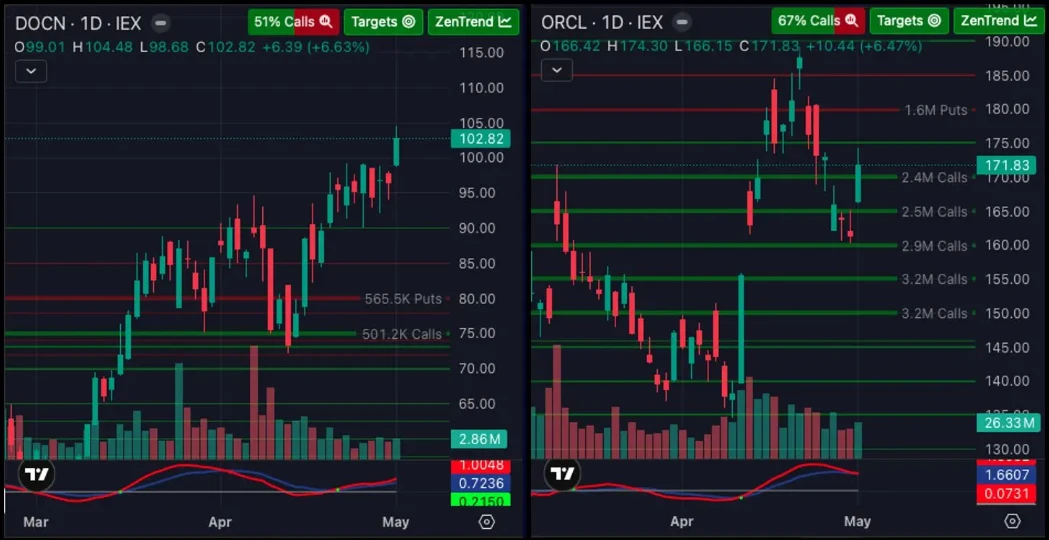
Instead of keeping a laptop or desktop running all day and night, these tasks can run quietly on a VPS in the background.
The server stays active 24/7, handling processes consistently without interruptions or power limitations from personal devices.
This setup works well for entrepreneurs and developers in Kenya who rely on automation to manage business workflows, collect data, send alerts, or power community tools.
The consistent performance helps keep tasks running exactly when they are needed, without manual supervision.
Beyond bots, a VPS also supports other continuous workloads such as system monitoring, automated backups, CRM systems, and internal knowledge bases or wikis.
These tools benefit from constant availability and stable performance, especially when they form part of daily operations.
Get Your VPS Hosting Today
These seven scenarios cover different industries and different types of work, but they share a common thread: at some point, shared hosting stops being the right tool for the job.
When that happens, a VPS is the practical next step, with more control, guaranteed resources, and the flexibility to configure your environment around what you actually need.
Plus, our Truehost VPS hosting is built with Kenyan users in mind. Our local data centers in Nairobi keep latency low across East Africa.
Also, our plans are priced to be accessible without cutting corners on performance, with SSD storage, strong uptime guarantees at 99.97%, and real local support when you need it.
Both managed and unmanaged options mean you choose how much of the administration you handle yourself.
All in all, the right plan depends on your workload.
An e-commerce store has different requirements than a developer running CI/CD pipelines, and a business hosting its own email has different priorities than a gaming community managing a Minecraft server.
But Truehost’s range of plans covers all of it, and our team is available to help you identify what fits your situation if you’re not sure where to start.
We help you scale confidently because your infrastructure should grow with your work, not hold it back.