 Domain SearchInstantly check and register your preferred domain name
 Web Hosting
 cPanel HostingHosting powered by cPanel (Most user friendly)
 WordPress HostingHost your WordPress website with fast, secure, and affordable WordPress hosting in Kenya.
 KE Domains
 Reseller HostingStart your own hosting business without tech hustles
 Windows HostingOptimized for Windows-based applications and sites.
 Free Domain
 Affiliate ProgramEarn commissions by referring customers to our platforms
 Free HostingTest our SSD Hosting for free, for life (1GB storage)
 Domain TransferMove your domain to us with zero downtime and full control
 All DomainsBrowse and register domain extensions from around the world
 .Com Domain
 WhoisLook up domain ownership, expiry dates, and registrar information
 VPS Hosting
 Managed VPSNon techy? Opt for fully managed VPS server
 Dedicated ServersEnjoy unmatched power and control with your own physical server.
 Website Builder
 Online Store BuilderLaunch a professional e-commerce store without writing code.
 Web Design ServiceGet a custom-designed website tailored to your brand and goals. From just KES 15,600
 BlogRead our guides on web hosting, online business, digital marketing, and more
 SupportOur support guides cover everything you need to know about our services
 ContactContact us via chat or email

You could be losing clients due to that unprofessional free email you’ve been using for business or due to downtime issues.
When checking your inbox, I bet a “[email protected]” address will get you raising eyebrows, and not for a good reason.
Like, is it from a real business?
Now, if your business’s email looks like that, it can end up looking less professional than it actually is. It may also end up in spam folders, limiting business communication as your business grows.
Email hosting is a service that allows you to create professional email addresses using your own domain name, such as [email protected]. Instead of using a free public email service, your emails are managed on dedicated servers designed for secure and reliable business communication.
This is different from free email platforms like Gmail or Yahoo, which are mainly built for personal use and offer limited control over branding, storage, and security.
Email hosting is also different from web hosting. Web hosting stores your website files, while email hosting manages your emails. Most businesses use both services together.
Generally, email hosting helps improve brand trust, email deliverability, security, and overall control of communication.
It also gives you access to features like larger storage, spam protection, and the ability to use your email across webmail, mobile apps, and desktop programs like Outlook.
How Does Email Hosting Work?
The process behind email hosting is fairly simple.
First, you register a domain name or use one you already own, such as yourbusiness.co.ke.
Once that is in place, your email hosting provider creates email accounts connected to that domain, like [email protected] or [email protected].
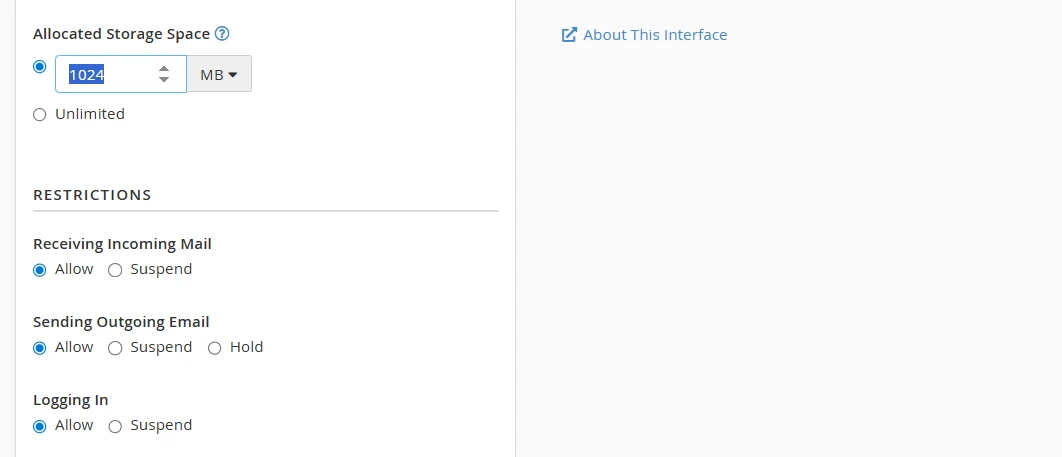
From there, the provider allocates server space and email server resources to store and manage your emails securely. Every email you send or receive passes through these servers.
Email hosting relies on a few standard protocols to keep communication running smoothly:
- SMTP (Simple Mail Transfer Protocol) handles outgoing emails.
- IMAP (Internet Message Access Protocol) keeps your emails synced across all devices, including your phone, laptop, and tablet.
- POP3 (Post Office Protocol) downloads emails directly to one device instead of syncing them everywhere.
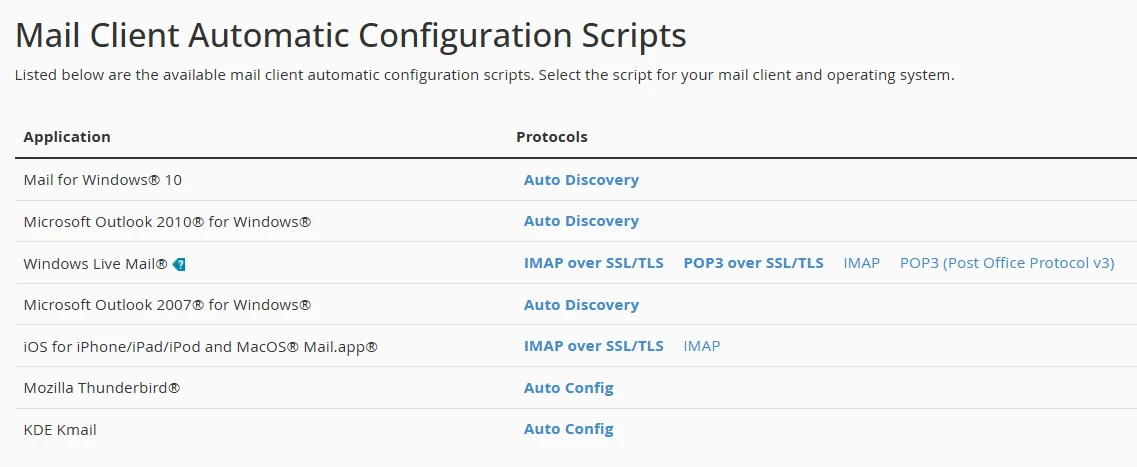
You can access your email through a webmail dashboard in your browser or connect it to apps like Outlook and mobile email apps for easier day-to-day use.
Most email hosting providers also include extra features like spam filtering, virus protection, backups, and security tools to help keep your communication safe and reliable.
Key Features of Good Email Hosting
A good provider should give you the tools needed to manage business communication professionally, securely, and without interruptions.
Here are some of the key features to look for:
1. Professional custom email addresses
Create branded email accounts like [email protected] or [email protected] to build trust with clients and customers.
2. Large mailbox storage
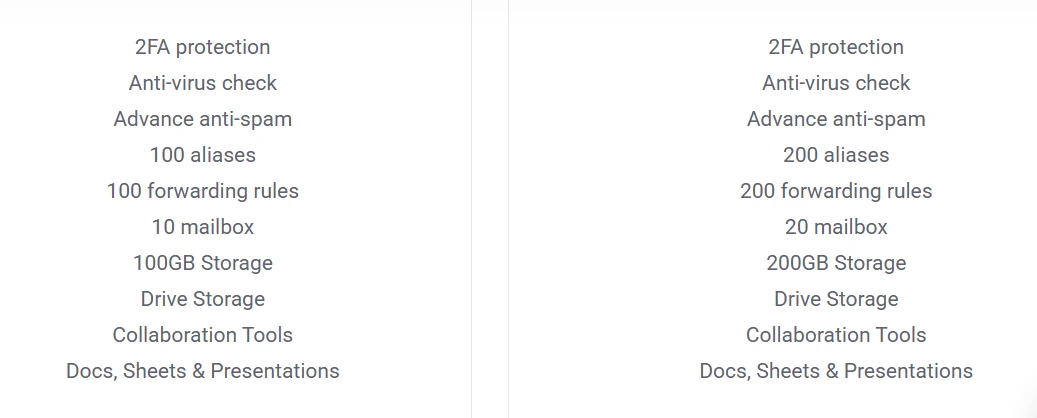
Get enough space for daily communication, file attachments, and archived emails without constantly deleting messages.
3. Advanced security features
Quality email hosting includes spam filtering, antivirus protection, SSL/TLS encryption, and two-factor authentication to keep your accounts secure.
4. High uptime and email deliverability
Reliable hosting helps ensure your emails are delivered properly and your service stays available when you need it.
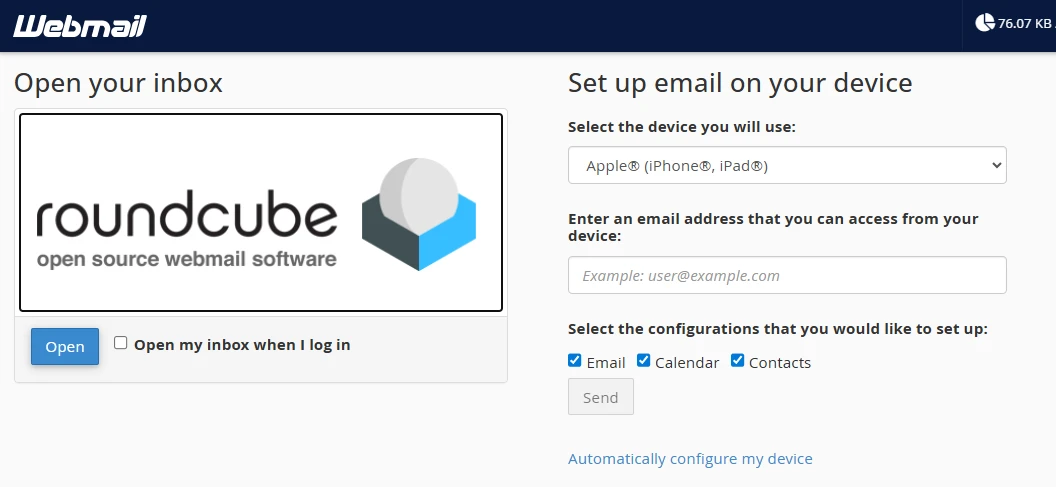
5. Webmail and mobile sync
Access your inbox through webmail, Outlook, or mobile apps while keeping your emails synced across all devices.
6. Aliases, forwarding, and autoresponders
Manage communication more efficiently with features like email forwarding, automatic replies, and alternate email aliases.
7. Admin controls and scalability
Easily create team accounts, manage permissions, and add more mailboxes as your business grows.
8. Backup and recovery options
Regular backups help protect important business communication from accidental loss or deletion.
9. 24/7 support and local-friendly pricing
Good providers offer responsive support, affordable plans, and services tailored to local business needs and regulations.
At Truehost, email hosting plans are built to provide these features while keeping setup and management simple for businesses and professionals in Kenya.
Types of Email Hosting
There are several types of email hosting available, and the right choice usually depends on the size of your business, your budget, and how much flexibility you need.
1) Shared Email Hosting
This is the most affordable option. Multiple users share the same server resources, making it a good fit for small businesses, startups, and growing teams that need professional email without high costs.
2) Cloud Email Hosting
Cloud hosting spreads resources across multiple servers for better reliability, performance, and scalability.
It is ideal for businesses that want stable email access and room to grow.
At Truehost, cloud email hosting is designed to provide consistent performance, even during peak usage periods or occasional power and connectivity challenges.
3) Dedicated or Managed Email Hosting
Larger businesses with high email traffic may choose dedicated solutions for more control, advanced customization, and higher resource allocation.
4) Microsoft 365 and Google Workspace
These platforms combine email hosting with productivity tools like document editing, cloud storage, and collaboration apps.
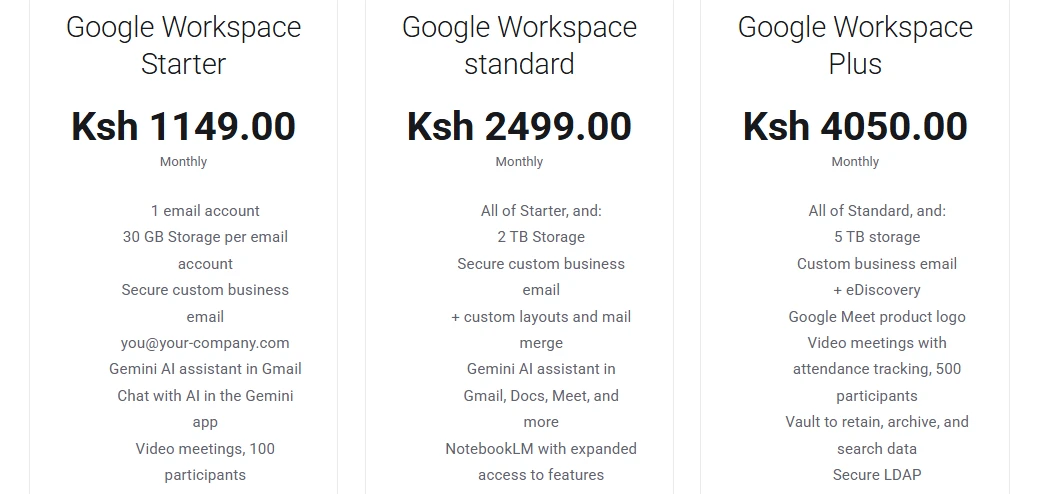
Independent email hosting, on the other hand, focuses mainly on secure and reliable email services, often at a lower cost.
For many Kenyan businesses, cloud email hosting offers the best balance between affordability, reliability, and scalability.
Benefits of Email Hosting for Kenyan Businesses
While a professional email hosting gives you a custom email address, it also helps your business communicate more professionally, securely, and reliably.
Some of the biggest benefits include:
a. Builds trust and professionalism
Clients are more likely to trust a business using branded email addresses instead of free personal accounts. You would too.
b. Better email deliverability
Professional hosting improves the chances of your emails reaching inboxes instead of spam folders, especially for invoices, quotations, and customer communication.
c. Stronger security
Features like spam protection, encryption, and phishing filters help protect businesses from growing cyber threats.
d. More control over your data
You manage your own email accounts, users, and business communication more easily.
e. Cost-effective in the long run
A professional email setup can help prevent missed opportunities caused by poor communication or unprofessional branding.
f. Improved productivity and collaboration
Teams can access shared communication tools, sync emails across devices, and stay connected from anywhere.
g. Supports branding and marketing efforts
Using your domain name across all communication keeps your brand consistent and more memorable to customers.
Email Hosting Kenya FAQs
Do I need email hosting?
If you use email for business communication, then yes. Professional email hosting helps your business look more credible and gives you better reliability, security, and control than free email services.
How is email hosting different from Gmail?
Free Gmail accounts use generic email addresses like [email protected]. Email hosting allows you to use your own domain name, such as [email protected], which looks more professional and strengthens your brand identity.
Isn’t Gmail enough?
For personal use, Gmail works well. But for businesses, free email services can feel limiting. You get less control over branding, fewer business-focused features, and a less professional appearance when communicating with clients.
Is email hosting difficult to set up?
Not at all. Most providers handle the technical setup for you, including mailbox creation, security configuration, and device connection. You can usually start using your email within minutes.
Is email hosting expensive?
Email hosting is one of the more affordable business tools available. The cost is small compared to the value of professional communication, better email delivery, and improved customer trust.
Do I need a website before using email hosting?
No. You only need a domain name to create professional email addresses. A website can always be added later.
Choosing the Right Email Hosting Provider in Kenya
Here, you want a service that is reliable, secure, easy to manage, and backed by responsive support.
There are a few things you can look out for:
- Reliable uptime and stable performance
- Strong spam and security protection
- Easy setup and account management
- Responsive customer support
- Affordable pricing with scalable plans
- Mobile and desktop email compatibility
At Truehost, email hosting is built specifically for businesses, professionals, and growing teams in Kenya.
We offer reliable cloud infrastructure, affordable local pricing, strong security features, and support from a team that understands local business needs.
You can explore available email hosting packages and features and get started with your professional email.
The setup process is designed to help you move from free email to branded business communication easily.