 Domain SearchInstantly check and register your preferred domain name
 Web Hosting
 cPanel HostingHosting powered by cPanel (Most user friendly)
 WordPress HostingHost your WordPress website with fast, secure, and affordable WordPress hosting in Kenya.
 KE Domains
 Reseller HostingStart your own hosting business without tech hustles
 Windows HostingOptimized for Windows-based applications and sites.
 Free Domain
 Affiliate ProgramEarn commissions by referring customers to our platforms
 Free HostingTest our SSD Hosting for free, for life (1GB storage)
 Domain TransferMove your domain to us with zero downtime and full control
 All DomainsBrowse and register domain extensions from around the world
 .Com Domain
 WhoisLook up domain ownership, expiry dates, and registrar information
 VPS Hosting
 Managed VPSNon techy? Opt for fully managed VPS server
 Dedicated ServersEnjoy unmatched power and control with your own physical server.
 Website Builder
 Online Store BuilderLaunch a professional e-commerce store without writing code.
 Web Design ServiceGet a custom-designed website tailored to your brand and goals. From just KES 15,600
 BlogRead our guides on web hosting, online business, digital marketing, and more
 SupportOur support guides cover everything you need to know about our services
 ContactContact us via chat or email
It’s not uncommon for people to mix up a website builder and web hosting. At first, they may seem similar, but I promise, they serve different purposes.
A website builder is a tool that helps you create a website without coding.
It gives you ready-made templates, drag-and-drop editing, and simple customization tools so you can quickly put together a professional-looking site. Some of them use AI of late to cook you a ready website in minutes.
This option is especially useful if you have never built a website before or simply want an easier way to get online.
Web hosting, on the other hand, is the service that keeps your website live on the internet.
It provides the server space where your website files, images, emails, and databases are stored so visitors can access your site anytime. There are different types of hosting depending on your needs, including shared hosting, VPS hosting, and dedicated servers.
Most modern website builders already include hosting because managing hosting separately can feel technical, time-consuming, and more expensive for beginners.
At the same time, good web hosting providers also make website creation easier by offering WordPress, CMS tools, or built-in website builders as part of their plans.
At Truehost, we offer web hosting, website builder tools, and WordPress hosting all in one place. This gives you the flexibility to choose what works best for your business, skill level, and future goals.
So, which option is better, web hosting vs website builder? Let’s find out.
Head-to-Head Comparison: Web Hosting vs Website Builder
At this point, you may already notice that both options can help you launch a website. The real difference comes down to how much flexibility, control, and growth potential you want for your business.
A website builder is usually the easier path for someone starting from scratch.
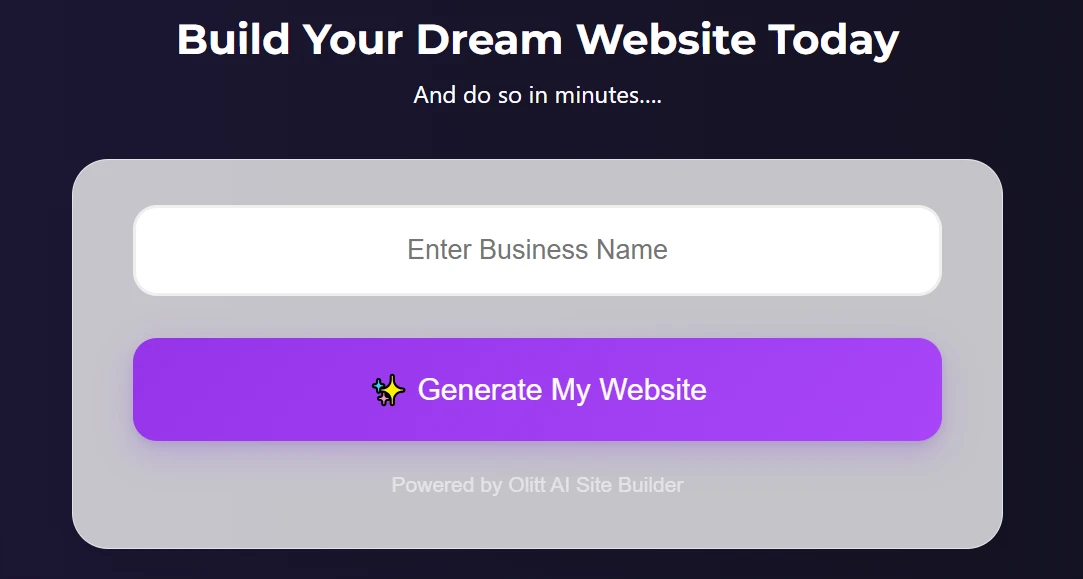
You can quickly create pages, add images, publish content, and get your business online without handling technical setup. Olitt is a great example of a website builder, designed for simplicity and speed.
Web hosting gives you a stronger foundation if you want more control over your website.
For instance, with hosting from Truehost, you can build your site using WordPress, custom themes, plugins, or even your own code while still accessing beginner-friendly tools like cPanel and one-click installers.
Here is a simple side-by-side comparison to help you see their difference clearer.
| Aspect | Website Builder (e.g. Olitt) | Web Hosting (e.g. Truehost) |
|---|---|---|
| Best For | Beginners and simple websites that need to go live quickly | Growing businesses, e-commerce stores, blogs, and fully customized websites |
| Ease of Use | Drag-and-drop setup or AI with no coding required | Beginner-friendly tools with slightly more setup flexibility |
| Cost (Long-Term) | Monthly costs may increase as you add features or traffic grows | More affordable scaling as your business expands |
| Customization | Limited to built-in templates and platform tools | Full freedom with WordPress, plugins, themes, and custom development |
| Performance and Speed | Works well for smaller websites | Stronger performance with LiteSpeed technology and local hosting options |
| Scalability | Can feel restrictive once traffic and business needs increase | Easy upgrades to VPS hosting and dedicated servers |
| Data Ownership | Your website stays closely tied to the platform ecosystem | Greater ownership and easier migration between providers |
1) Ease of Use
If this is your first time building a website, a website builder will usually feel easier from the start.
You simply choose a template, drag sections into place, edit your text and images, then publish your site.
Platforms like Olitt allow you to chat with AI, and it creates a full site based on the chat, which makes them a popular choice for beginners, freelancers, and small businesses that want to get online as quickly as in minutes.
However, web hosting takes a slightly different approach. There is a bit more setup involved at the beginning, especially if you are using WordPress. The good news is that modern hosting tools have made the process much simpler than it used to be.
With web hosting, you get one-click WordPress installation, easy-to-use control panels like cPanel, plus 24/7 support through phone, WhatsApp, and live chat.
So even if you are not very technical, you can still build and manage your website comfortably.
Here, the choice comes down to how quickly you want to launch and how much control you want later.
A website builder will work well for you if you want the easiest setup possible. Web hosting suits your business if you expect to grow and want more flexibility from the beginning.
2) Cost
The cost of a website depends heavily on the provider and the type of plan you choose. At first, website builders can look more affordable because everything comes bundled together.
But as your website grows, you may need extra storage, e-commerce tools, premium templates, or advanced features that increase your monthly costs.
For example, Olitt offers beginner-friendly plans starting at around $36 per year.
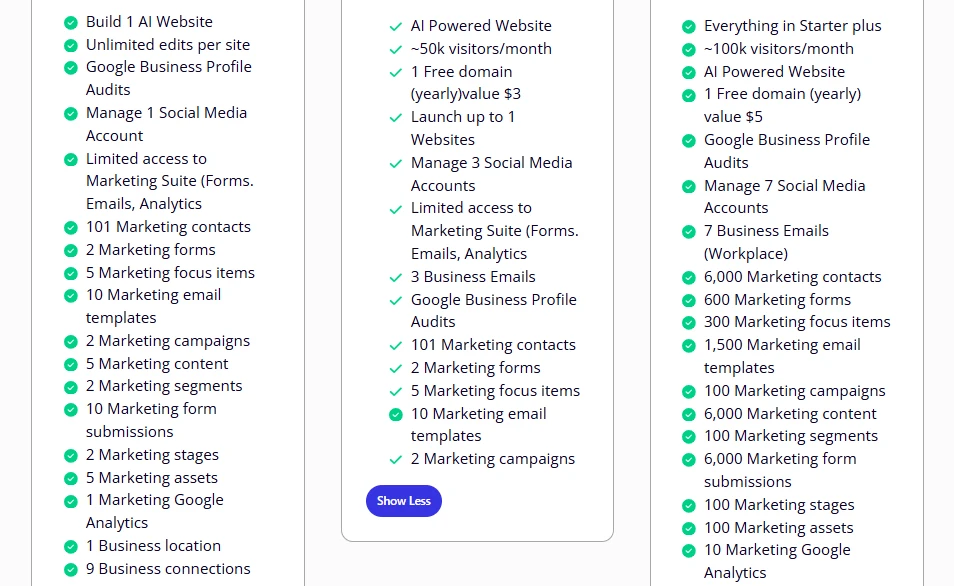
The starter plan includes a free domain, 3 business emails, and 1 AI-powered website, which is useful for testing business ideas or creating a simple online presence.
Higher plans add e-commerce and larger business features.
On the hosting side, Truehost offers web hosting plans that provide more resources and flexibility at competitive prices.
The Starter hosting plan begins at around KSh 188 per month on a triennial plan and includes 30 GB SSD storage, support for approximately 25,000 visits, plus free website builder tools and templates.
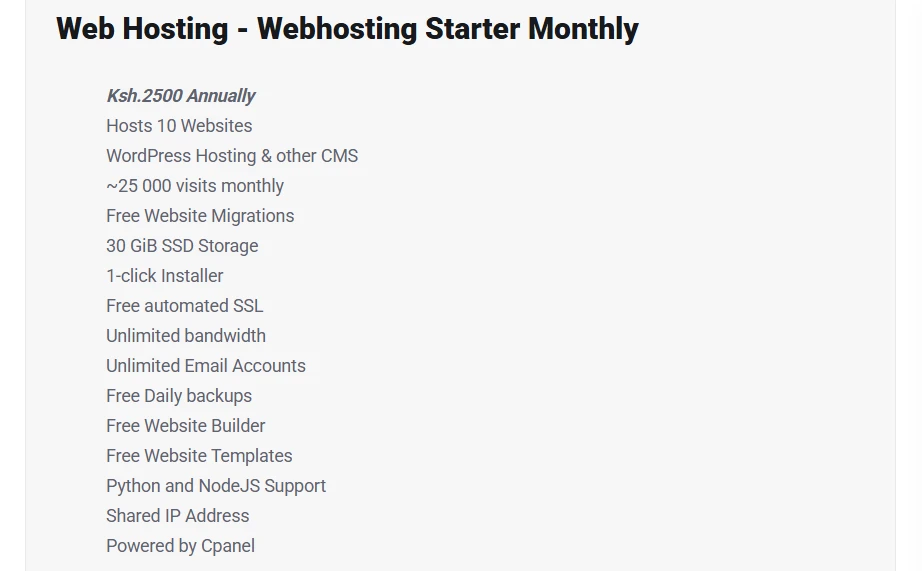
There are also Pro and Unlimited plans for businesses that need more performance and scalability.
If you plan to grow your website over time, hosting often gives better long-term value because you can expand your site without being restricted to a single platform’s ecosystem.
3) Customization and Flexibility
This is where the difference becomes much clearer.
With a website builder, you mainly work within the templates and tools already provided for you.
Luckily enough, Olitt provides an AI-powered WordPress builder with WordPress hosting. That’s a sign of a great website builder.
You can also customize colors, images, fonts, and layouts, but there are usually limits to how much you can change. For simple business websites, portfolios, or landing pages, that may be enough.
Web hosting gives you much more freedom.
Using WordPress or another CMS on web hosting, you can install thousands of themes and plugins, add custom features, improve SEO, integrate payment systems like M-PESA, and even modify your site’s code if needed.
This flexibility becomes important when you want your website to stand out instead of looking similar to dozens of other template-based sites.
It also gives you room to add new features as your business grows instead of rebuilding your website from scratch later.
4) Scalability and Growth
Your website needs today may be very different from what you need a year from now.
A simple business website can eventually grow into an online store, a booking platform, a blog with thousands of visitors, or a full company website with multiple services.
This is where web hosting has a strong advantage.
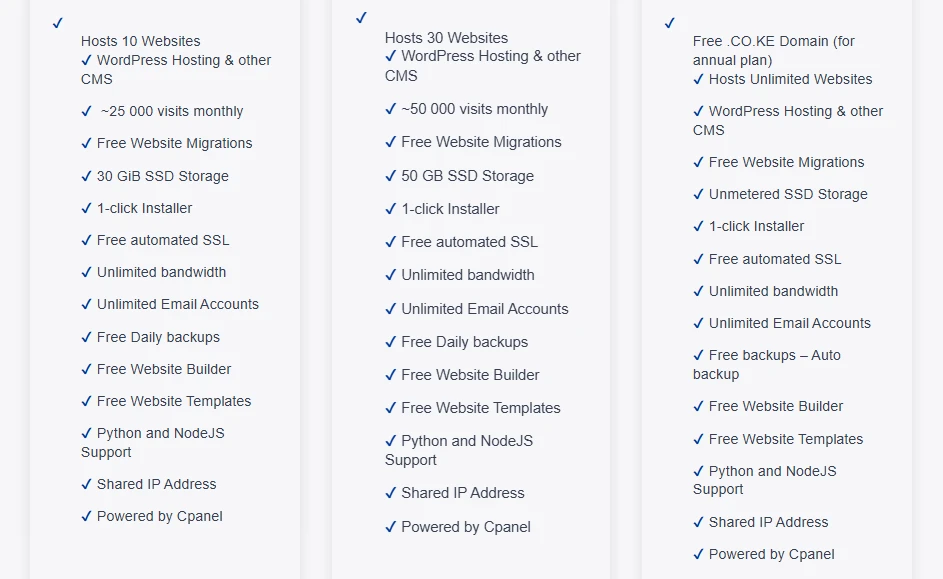
With hosting, you can start with a small shared hosting plan and upgrade smoothly as your business grows. If your traffic increases or you need more power, you can move to VPS hosting or even a dedicated server without rebuilding your entire website.
Website builders work well for smaller websites, but growth can become limiting over time.
Storage caps, restricted features, and platform limitations can make expansion more difficult once your business needs become more advanced.
Performance also plays a major role here.
Websites hosted on locally optimized servers usually load faster for visitors in Kenya, which improves user experience and can help with Google rankings. Faster websites also reduce the chances of visitors leaving before your pages finish loading.
If long-term growth is part of your plan, web hosting gives you far more room to expand comfortably.
5) SEO and Marketing Tools
Both website builders and web hosting platforms offer tools to help your website appear on Google and attract customers online, but the level of flexibility is very different.
Website builders usually include basic SEO settings such as page titles, meta descriptions, mobile-friendly templates, and simple marketing integrations.
For many small websites, these built-in tools are enough to get started.
In rare cases like the Olitt website builder, they include more business and marketing features, giving their builder plans great value.
Web hosting gives you access to much more advanced SEO and marketing options, especially when using WordPress.
With web hosting, you can install powerful plugins for SEO, analytics, email marketing, e-commerce, caching, speed optimization, and lead generation. You also have more control over your website structure, performance, and technical SEO settings.
This becomes useful when you want to compete for search rankings, run content marketing campaigns, improve website speed, or scale your online sales more aggressively.
For businesses that rely heavily on Google traffic, hosting paired with WordPress usually offers more long-term marketing flexibility.
6) Security and Maintenance
Website builders are generally easier to manage because the platform provider handles most of the maintenance for you.
Security updates, backups, hosting management, and technical fixes are often included behind the scenes. This makes website builders attractive if you want a more hands-off experience.
With web hosting, the level of management depends on the hosting plan you choose.
Many hosting plans include:
- Security tools
- SSL certificates
- Backups
- Malware protection
- Support assistance
You still have more direct control over your website settings, files, and applications compared to a website builder platform.
That extra control can be valuable for businesses that want custom functionality, stronger optimization, or easier migration in the future.
It also means you fully own your website files and data instead of being tightly locked into a single platform ecosystem.
For some users, simplicity is the priority. For others, flexibility and ownership become more important as the business grows.
7) Data Ownership and Portability
One important difference many people only notice later is who truly controls the website and how easy it is to move it elsewhere in the future.
With web hosting, you have full ownership of your website files, databases, emails, and content. You can back up your site, move it to another hosting provider, change developers, or redesign it without being tied to one platform.
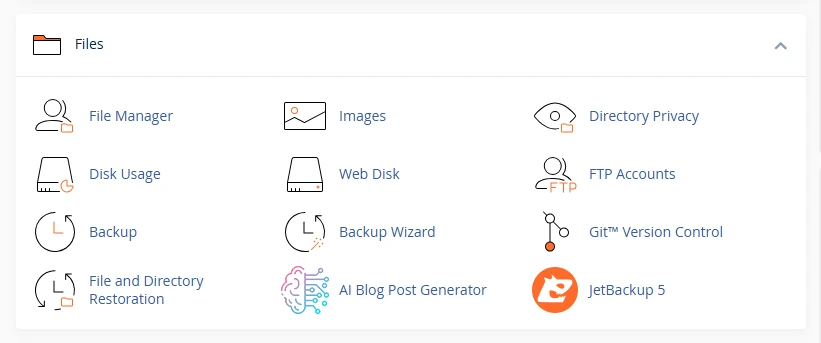
With website builders, your website usually stays closely connected to that platform’s ecosystem.
Moving your content, design, or features to another provider can sometimes be difficult or limited. This becomes frustrating for businesses that outgrow the platform and want more flexibility later.
Hosting gives you more freedom in the long run, especially if your website is an important part of your business operations, marketing, or online sales.
8) Support
Good support can save you a lot of stress, especially when you are building your first website.
Support is usually available 24/7 through phone, WhatsApp, and live chat for both hosting and website builder customers.
This makes it easier to get help quickly without waiting for overseas support teams operating in different time zones.
Local support also means simpler communication, pricing in Kenyan shillings, and payment methods that work conveniently for Kenyan businesses, including M-PESA.
For many users, having access to fast local assistance becomes just as important as the hosting or builder itself.
Which is Better for You?
The best choice depends on what you want your website to do today and where you expect your business to go later.
A website builder may be the better fit if:
- You are a complete beginner
- You want a website live within a day
- You only need a simple business website, portfolio, or brochure site
- You want the easiest setup possible
- You are working with a smaller short-term budget
- You are comfortable using built-in templates and platform limitations
Web hosting is usually the stronger option if:
- You plan to grow your business online
- You want more control over branding and design
- SEO and website performance are important to you
- You want custom features or integrations
- You plan to run an e-commerce store
- You may manage multiple websites in the future
- You want full ownership and easier scalability
One advantage with Truehost is that you do not have to lock yourself into one path permanently.
You can start with a hosting plan that already includes a free website builder or begin with a simple builder setup and later migrate to more powerful hosting as your business expands.
That flexibility works especially well for Kenyan businesses because you also benefit from local pricing in KES, easier payment options, support in your timezone, and faster website loading for local visitors.