 Domain SearchInstantly check and register your preferred domain name
 Web Hosting
 cPanel HostingHosting powered by cPanel (Most user friendly)
 WordPress HostingHost your WordPress website with fast, secure, and affordable WordPress hosting in Kenya.
 KE Domains
 Reseller HostingStart your own hosting business without tech hustles
 Windows HostingOptimized for Windows-based applications and sites.
 Free Domain
 Affiliate ProgramEarn commissions by referring customers to our platforms
 Free HostingTest our SSD Hosting for free, for life (1GB storage)
 Domain TransferMove your domain to us with zero downtime and full control
 All DomainsBrowse and register domain extensions from around the world
 .Com Domain
 WhoisLook up domain ownership, expiry dates, and registrar information
 VPS Hosting
 Managed VPSNon techy? Opt for fully managed VPS server
 Dedicated ServersEnjoy unmatched power and control with your own physical server.
 Website Builder
 Online Store BuilderLaunch a professional e-commerce store without writing code.
 Web Design ServiceGet a custom-designed website tailored to your brand and goals. From just KES 15,600
 BlogRead our guides on web hosting, online business, digital marketing, and more
 SupportOur support guides cover everything you need to know about our services
 ContactContact us via chat or email
Travel blogging is one of the most exciting ways to share your adventures, and if you’re worried it’s too late to start, don’t be.
The world of travel content is growing fast, and readers are constantly searching for fresh experiences and perspectives. In Kenya, with its rich landscapes, wildlife, and vibrant cultures, there’s more than enough space for new voices to shine.
The trick to creating a successful travel blog today is finding your niche. Whether it’s exploring hidden gems in Nairobi, uncovering remote safaris in the Maasai Mara, or highlighting local food and culture, there’s always something unique to showcase. Even familiar spots, like your hometown or local hiking trails, can feel new and exciting when you tell the story in your own voice.
In this guide, we’ll walk you through everything you need to start your travel blog in Kenya, from setting up a website and publishing your first posts to building collaborations and monetizing your content.
By the end, you’ll know how to create a blog that not only attracts readers but also opens doors to earning from your travel adventures.
Why Start a Travel Blog in Kenya?
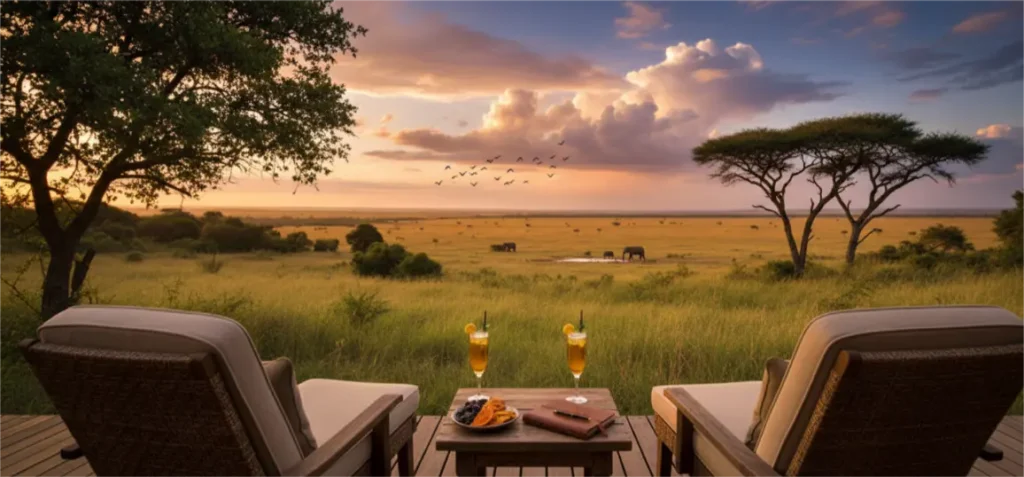
Kenya is an experience waiting to be shared. From the golden savannahs of the Maasai Mara to the white sandy beaches of Lamu, every part of the country tells a story.
You can write about herds of elephants roaming at sunrise, trekking the misty trails of Mt. Kenya, or sampling authentic street food in Nairobi. These real, captivating experiences are what make travel blogs exciting, and readers are eager to discover them.
The beauty of starting a travel blog in Kenya is that there’s always something new to discover. Hidden gems, local festivals, off-the-beaten-path destinations, and even your own neighborhood could surprise visitors when you show it through your eyes. Your perspective adds value because it’s unique.
Plus, a travel blog doesn’t just let you share your adventures; it can also become a source of income. By creating engaging stories, sharing tips, and recommending experiences, you can attract an audience and monetize your blog through ads, affiliate programs, sponsored posts, and collaborations with tourism brands.
In short, Kenya is rich with stories, and your blog can be the bridge that connects these experiences to the world, all while giving you the chance to explore, create, and even earn along the way.
How to Set Up Your Travel Blog (Step by Step)
Starting a travel blog in Kenya is exciting, but it can feel daunting if you’re new to blogging.
The key is to break the process into manageable steps. Each step builds the foundation for a blog that not only looks professional but also attracts readers and potential income opportunities.
Here’s a guide to help you start your journey.
Step 1: Choose and Register Your Domain
Your domain is your blog’s “address” on the internet, the name people type to visit your site. Choosing the right one is critical because it sets the tone for your brand.
When picking a domain:
- Make it short and memorable: Avoid long, complicated names. Something like SafariDiaries.co.ke or RoamingKenya.co.ke sticks better than a long string of words.
- Reflect your niche: If your focus is adventure travel, consider a name that hints at hiking or safaris. If it’s food and culture, include a local twist.
- Use a relevant extension: A .co.ke domain signals to readers that you are local and trustworthy, while still being accessible to international readers.
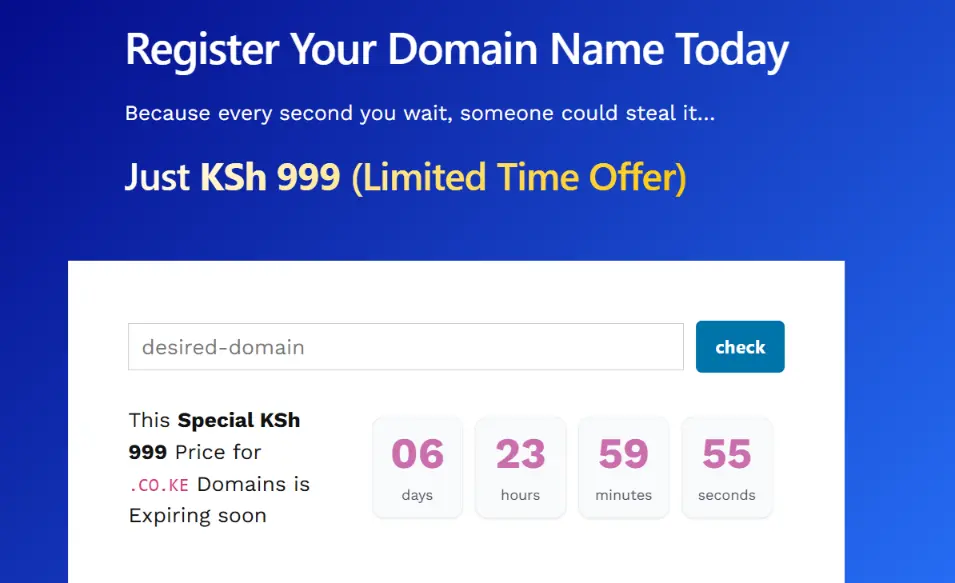
Once you settle on a name, register it through a reputable provider. Domains are usually inexpensive, and securing your preferred name early prevents others from taking it.
Step 2: Select a Web Hosting Plan
Web hosting is like renting space for your blog on the internet. A reliable host ensures your blog loads quickly, stays online, and remains secure. Poor hosting can frustrate readers and limit your growth.
When selecting hosting:
- Speed matters: A fast site keeps readers engaged and improves search engine ranking.
- Uptime reliability: Look for hosts that guarantee at least 99% uptime. Downtime can cost you traffic and credibility.
- Security features: SSL certificates and backups protect your blog and readers’ data.
For beginners, shared hosting is usually enough. It’s affordable and user-friendly. As your blog grows, you can upgrade to VPS hosting for more speed and resources.
Step 3: Install WordPress
WordPress is the most popular platform for bloggers, especially for travel blogs, and for good reason:
- Ease of use: You don’t need coding skills to build a professional blog.
- Customizability: Themes and plugins allow you to design your blog and add features without touching code.
- SEO-friendly: Built-in tools and plugins help your posts rank better on search engines.
Most hosts offer one-click WordPress installation, so you can go from domain registration to a live site in a matter of minutes. Once installed, you have full control over your blog’s design, layout, and functionality.
Step 4: Choose a Blog Theme
Your blog theme is more than aesthetics; it shapes how readers experience your content. A well-chosen theme keeps readers engaged and makes navigation intuitive.
Look for a theme that is:
- Clean and readable: Avoid cluttered designs; white space improves readability.
- Mobile-friendly: Most people access blogs via smartphones, especially when traveling.
- Optimized for speed: Themes that are lightweight load faster, reducing bounce rates.
Start with a free theme if you’re testing the waters. As your blog grows, you can upgrade to a premium theme for more customization options, like custom headers, advanced galleries, and multiple layout choices.
Step 5: Create Essential Pages
Before you post your first article, create pages that give your blog structure and credibility.

Essential pages include:
- Home: Your main landing page, highlight your best content, and give readers a sense of what your blog offers.
- About: Tell your story, why you travel, what readers can expect, and what makes your perspective unique. Authenticity builds trust.
- Contact: Make it easy for readers or potential partners to reach you. Include an email, social media links, or a contact form.
- Categories: Organize posts into logical groups like Safaris, Food & Culture, Hiking, or City Guides. This helps readers find content faster.
Step 6: Set Up Basic Blog Functionality
Beyond pages and themes, there are a few more steps to ensure your blog runs smoothly:
- Install essential plugins: SEO, caching, and security plugins are must-haves.
- Create a navigation menu: Make it simple for readers to find content. Include categories and important pages.
- Optimize for speed: Compress images and enable caching for faster load times.
- Set up an email newsletter: Start building your audience from day one. Tools like Mailchimp or Sendinblue make this easy.
These small technical steps can have a big impact on how readers experience your blog and whether they come back.
Writing Your First Blog Post
Now that your blog is ready, it’s time to share your adventures.
A great travel post should be helpful, personal, and easy to read; this is what keeps readers coming back.
What Makes a Great Travel Post?
✔ Helpful: Give tips or advice your readers can use.
✔ Personal: Share your own experiences and perspective.
✔ Honest: Include both the highlights and challenges.
✔ Readable: Use simple words and short paragraphs.
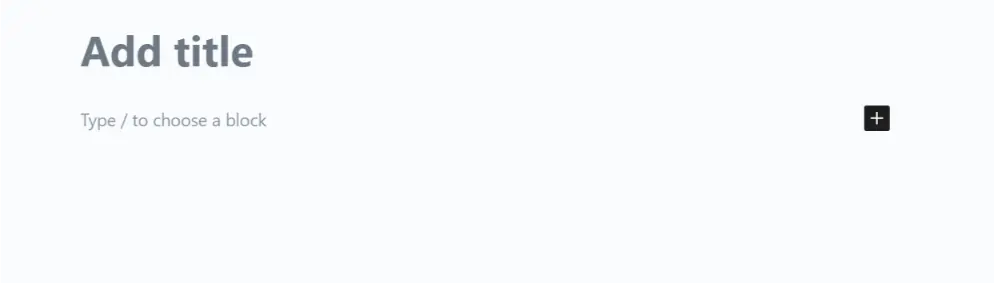
1) Create a Catchy Title
Your title should be clear and specific. Examples:
- Top 10 Things to Do in Maasai Mara
- How to Explore Lamu on a Budget
A good title draws readers in and helps your post rank on Google.
2) Start With a Hook
Begin with an engaging sentence that captures attention.
“Sunrise over the Maasai Mara lights up the sky while elephants roam freely. This is Kenya at its most magical.”
A strong opening encourages readers to keep going.
3) Keep Paragraphs Short
Break your content into 1–3 sentence paragraphs. Use headings, bullet points, and lists to make it easy to scan.
4) Add Photos
Photos bring your stories to life. Include:
- Landscapes
- Local culture
- Food experiences
- Activities like safaris or hikes
Images make your blog more engaging and shareable.
How to Get Traffic to Your Blog
Once you publish content, you want people to find it.
Let’s look at ways to grow your audience.
i) Get Found on Search Engines (SEO)
SEO means making your blog easy to find on Google.
Basic SEO tips:
✔ Use keywords naturally
✔ Write long‑form, helpful content
✔ Use descriptive titles and headings
✔ Add alt text to images
ii) Share on Social Media
Use platforms like:
- Instagram
- Facebook
- TikTok
Post photos, short clips, and behind‑the‑scenes stories.
These drive people to your blog.
iii) Engage With Other Travel Bloggers
Connect with other Kenyan travel bloggers by:
- Commenting on their posts
- Sharing their content
- Collaborating on trips or stories
Community boosts your visibility.
Ways to Make Money From Your Travel Blog
Now the exciting part, earning income.
Here are several proven ways to make money online from travel blogging.
1) Display Ads
Once your blog has traffic, you can earn from ads.
Platforms like:
- Google AdSense
- Media.net
Place ads on your site, and you earn when people view or click them.
2) Affiliate Marketing
This means promoting products or services and earning a commission when someone buys through your link.
Examples:
- Safari bookings
- Hotels
- Travel gear
- Flights
When a reader books through your link, you earn money.
Create honest reviews and guides; trust is key.
3) Sponsored Posts
Brands may pay you to write about:
✔ Tours
✔ Hotels
✔ Travel experiences
Sponsored posts can earn you good money if your blog has a solid audience.
4) Selling Your Own Products
These could include:
- eBooks
- Travel guides
- Photo presets
- Online courses
Your knowledge is valuable, sell it!
5) Freelance Travel Writing
You can write for other blogs or travel sites and get paid.
Use your blog as a portfolio to show your writing skills.
Tools Every Travel Blogger Should Use
Here’s a quick list of tools that help make your travel blog better.
| Category | Tool | Why It Helps |
| Writing | Google Docs | Easy drafting |
| Images | Canva | Create graphics |
| SEO | Yoast SEO | Helps optimize your content |
| Traffic | Google Analytics | Tracks visitors |
| Editing | Grammarly | Checks grammar |
Use tools that simplify your workflow, not complicate it.
Travel Blog Niches You Can Start With
Focusing on a niche makes your blog more relatable. Try these:
- Budget Travel in Kenya
- Luxury Safaris
- Food & Culture
- Solo Travel
- Family Travel Tips
- Adventure Trails & Hikes
Pick one or combine a few, but keep it focused.
Conclusion
Starting a travel blog in Kenya is more than just sharing your adventures; it’s about building a community of readers who trust your experiences and insights.
Regular readers turn into loyal fans, and loyal fans spend money, whether through sponsored posts, travel bookings, or products you recommend.
Here’s how to keep them coming back:
✔ Publish consistently – set a schedule and stick to it
✔ Write about real experiences – honesty and authenticity matter
✔ Reply to comments – engage with your audience directly
✔ Send newsletters – keep readers updated and connected
✔ Ask for feedback – learn what your readers enjoy and improve.
Your readers are your community; treat them well, and your blog will grow naturally, both in reach and income potential.
If you’re ready to start your travel blog today, the first step is setting up your website with reliable hosting.