 Domain SearchInstantly check and register your preferred domain name
 Web Hosting
 cPanel HostingHosting powered by cPanel (Most user friendly)
 WordPress HostingHost your WordPress website with fast, secure, and affordable WordPress hosting in Kenya.
 KE Domains
 Reseller HostingStart your own hosting business without tech hustles
 Windows HostingOptimized for Windows-based applications and sites.
 Free Domain
 Affiliate ProgramEarn commissions by referring customers to our platforms
 Free HostingTest our SSD Hosting for free, for life (1GB storage)
 Domain TransferMove your domain to us with zero downtime and full control
 All DomainsBrowse and register domain extensions from around the world
 .Com Domain
 WhoisLook up domain ownership, expiry dates, and registrar information
 VPS Hosting
 Managed VPSNon techy? Opt for fully managed VPS server
 Dedicated ServersEnjoy unmatched power and control with your own physical server.
 Website Builder
 Online Store BuilderLaunch a professional e-commerce store without writing code.
 Web Design ServiceGet a custom-designed website tailored to your brand and goals. From just KES 15,600
 BlogRead our guides on web hosting, online business, digital marketing, and more
 SupportOur support guides cover everything you need to know about our services
 ContactContact us via chat or email
Choosing between shared hosting and VPS hosting usually comes down to one simple question: how much power and control do you actually need right now?
Both options can run your website, but they serve very different stages of growth.
Shared hosting is the go-to for simplicity. It’s cheaper, easy to set up, and doesn’t require any technical skills, which is why most beginners start here. The trade-off? Performance can be inconsistent since you’re sharing resources with other websites.
VPS hosting, on the other hand, is all about stability and control. You get dedicated resources, better speed, and the flexibility to customize your server. That’s why it’s popular with growing websites, developers, and businesses that need more reliability.
This guide will break down the differences to help you choose the right one for your website.
Differences Between VPS and Shared Hosting
Every hosting decision comes down to a handful of key differences. Once you see them side by side, the right choice for your stage becomes much clearer.
| Feature | Shared Hosting | VPS Hosting |
| Resources | Shared among many users | Dedicated/guaranteed to your VPS |
| Performance | Can vary | Stable and consistent |
| Control | Limited (cPanel/WHM) | Full root/admin access |
| Security | Basic, shared environment | Stronger isolation |
| Scalability | Limited | Highly scalable |
| Management | Fully managed by the hosting provider | Managed or unmanaged options |
1) Performance
This is usually the tipping point for most people.
On shared hosting, your website is competing for server resources with dozens (sometimes hundreds) of other sites. If one of those sites suddenly gets a surge in traffic or runs a heavy process, it can slow everything down, including your site. That’s why you might notice random slow loading times even when your own traffic hasn’t changed.
VPS hosting removes that uncertainty. Your CPU, RAM, and storage are reserved for your site, so no one else can “eat into” your performance.
In practical terms, that means:
- Pages load faster and more consistently
- Your site handles traffic spikes without crashing
- Performance stays stable, even during peak times
If speed affects your user experience, SEO, or conversions, VPS starts to make a lot more sense.
2) Cost
Pricing is where the biggest visible difference shows up, and it often drives the initial decision.
Here’s a realistic snapshot of what you’ll find in Kenya:
| Provider | Type | Plan Name | Price (KES) |
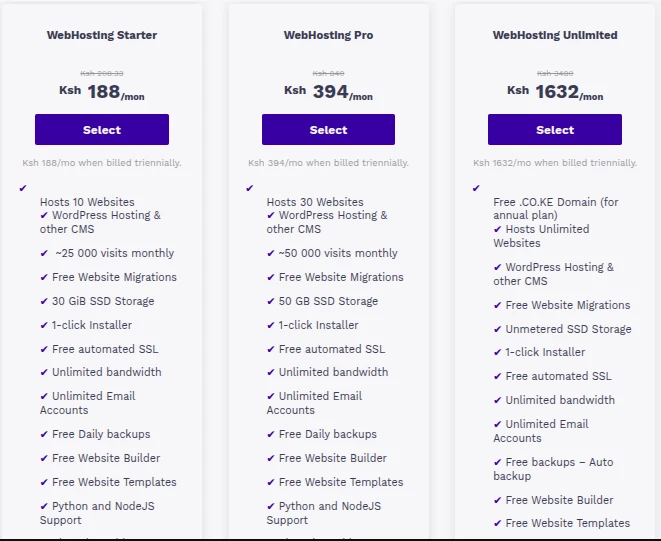
| Truehost | Shared | Starter / Silver SSD | KSh 188/month |
| Truehost | Shared | Unlimited | KSh 1,632 / month |
| Truehost | VPS | Kenya VPS 1 | KSh 1,400 / month |
| Truehost | VPS | Higher tiers (K4+) | KSh 5,600 / month |
| Host Africa | Shared | Starter / LiteSpeed | KSh 420 |
| Host Africa | Shared | Basic / Business | KSh 630 |
| Host Africa | VPS | C1 Server | KSh 960 / month |
| Host Africa | VPS | C3 tiers | KSh 2,240 / month |
What this really tells you:
- Shared hosting is the cheapest way to get online
- VPS costs more because you’re getting dedicated resources and better performance
A lot of people start with shared hosting simply because it’s budget-friendly, then upgrade once their site starts to grow or slow down.
3) Security
Both hosting types offer basic security, but the environment makes a big difference.
With shared hosting, your site sits on the same server as many others. While providers do put safeguards in place, it’s still a shared ecosystem. If another site on the server is poorly secured or compromised, there’s a small chance it could affect neighboring sites.
VPS hosting gives you a more isolated setup. Your server environment is separate, which significantly reduces that risk.
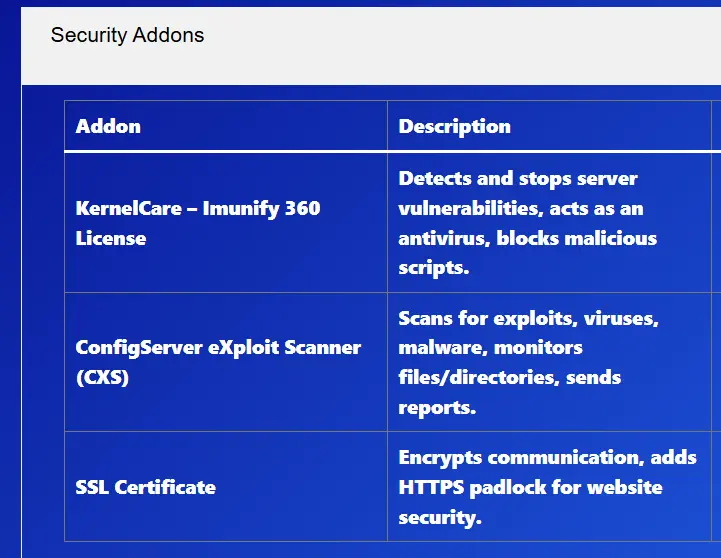
You also get more control, meaning you can:
- Set up advanced security configurations
- Install custom firewalls
- Use specific security tools customised to your needs
For personal sites, shared hosting is usually fine. But for business websites, eCommerce, or anything handling sensitive data, VPS offers stronger peace of mind.
4) Control & Customization
This is where the gap becomes very clear.
Shared hosting is designed for simplicity. You get a control panel (like cPanel), and everything is pre-configured. It works, but you’re limited to what the hosting provider allows.
That means you typically can’t:
- Install custom server-level software
- Change system configurations
- Access root-level settings
VPS hosting flips that completely.
You get full control of your environment, which allows you to:
- Customize server settings to your exact needs
- Install specific frameworks or applications
- Fine-tune performance and resource usage
This level of flexibility is especially useful for developers, SaaS projects, or websites with unique requirements.
5) Scalability
Every website grows, some faster than expected.
Shared hosting works well at the beginning, but it has limits. Once your traffic increases or your site becomes more resource-heavy, you may start experiencing slowdowns or restrictions.
At that point, scaling isn’t always smooth; you might need to migrate to a different plan or even a different environment.
VPS hosting is built with growth in mind.
You can:
- Increase RAM, CPU, or storage as needed
- Handle more visitors without performance drops
- Scale without moving your entire website
If you’re thinking long-term or planning to grow, VPS gives you more flexibility without hitting a hard ceiling.
6) Reliability & Uptime
Reliability often comes down to consistency.
With shared hosting, uptime can be good, but it’s not always predictable. If other websites on your server consume too many resources, your site can slow down or even go offline temporarily.
VPS hosting is much more stable because your resources are isolated.
That leads to:
- More consistent uptime
- Fewer unexpected slowdowns
- A smoother experience for your visitors
If your website is tied to your business or income, that consistency becomes very important.
7) Server Management
Shared Hosting is as hands-off as it gets. The hosting provider takes care of everything behind the scenes, including server maintenance, software updates, security patches, and fixing technical issues. You just focus on your website.
VPS Hosting gives you more flexibility, but also introduces a choice:
- Managed VPS: The provider handles most of the heavy lifting, updates, security, monitoring, and general maintenance, so you can focus on running your site.
- Unmanaged VPS: You’re in full control of the server, which means handling OS updates, security configurations, and troubleshooting yourself. This option requires solid server or Linux knowledge.
A Middle-Ground Option
Managed VPS sits comfortably between shared hosting and unmanaged VPS.

You get the performance, dedicated resources, and isolation of a VPS, without the stress of managing the technical side. The hosting provider handles things like updates, security, monitoring, and performance optimization.
Best For
- Anyone who has outgrown shared hosting but isn’t ready to manage a server
- Business websites, eCommerce stores, or growing blogs
- Users who want better speed and reliability without dealing with technical complexity
It’s a practical upgrade path if you want more power, but still value convenience.
When to Use Shared Hosting
Shared hosting makes sense if:
- You’re launching your first website or blog
- Traffic is low or unpredictable
- You’re on a tight budget
- You don’t want to deal with the technical setup
- You need something quick and simple
- Your site is lightweight (portfolio, brochure site, small business page)
When to Use VPS Hosting
VPS is the smarter choice when:
- Your site is growing and getting steady traffic
- You need faster speeds and consistent performance
- You want more control over your hosting environment
- You’re running custom apps or software
- You expect to scale over time
- Security and uptime are critical
Choosing What Fits Your Growth Stage
There isn’t a one-size-fits-all answer here; it really depends on where your website is right now.
If you’re just getting started, shared hosting will do the job perfectly. It’s simple, affordable, and gets your site online without stress.
But once your site starts growing, more visitors, slower speeds, maybe a few performance issues, that’s usually your cue. Moving to VPS at that point isn’t just an upgrade; it’s a way to avoid bigger problems like downtime or lost traffic.
A lot of people hold on to shared hosting for too long, then end up dealing with frustrating slowdowns when their site outgrows it.
If you want a simple, budget-friendly way to launch, shared hosting is a great place to begin.
But if you’re thinking long-term, better speed, stability, and room to grow, VPS hosting is where things start to open up.
Truehost makes it easy to do both. You can start small with shared hosting, then upgrade to VPS as your site grows, without switching providers or overcomplicating things.
Shared Hosting vs VPS FAQs
You’ll know it’s time to upgrade when your site frequently loads slowly, hits resource limit errors, or starts drawing 10,000 to 50,000+ monthly visitors.
These are clear signals that your shared environment can no longer deliver the consistency your visitors, and your revenue, depend on. We’ve seen many of our clients make the switch right after a slow checkout page cost them sales during peak hours.
Moving to VPS at that point isn’t just an upgrade; it’s a way to protect your business from downtime and lost traffic before they become serious problems.
Yes, a VPS is almost always faster because your CPU, RAM, and storage are reserved exclusively for your websites, eliminating the “noisy neighbour” effect common on shared servers. You’ll notice the biggest improvement during traffic spikes, flash sales, or when running heavier applications like e-commerce platforms.
We’ve seen clients cut their page load times in half simply by moving to our managed VPS plans. That speed boost directly helps your SEO rankings and keeps visitors from bouncing, which means more conversions for you.
Absolutely, shared hosting is designed to get beginners online with zero technical hassle. It’s incredibly affordable, with our Starter plan at just KSh 188 per month, and comes with a simple control panel that lets you manage your site without touching server settings.
We take care of all the behind-the-scenes maintenance, updates, and security, so you can focus entirely on creating content or growing your small business. For a first website, portfolio, or low-traffic blog, shared hosting remains the perfect starting point.
It depends on the type of VPS you choose. An unmanaged VPS does require solid Linux knowledge because you’re responsible for setting up, securing, and updating the server yourself. Most business owners, however, opt for a managed VPS where the hosting provider handles all of that for you.
Here at Truehost, our managed VPS plans include proactive monitoring, security patches, and performance optimization, so you get all the power of a VPS without needing a technical background. This makes the upgrade feel almost as easy as shared hosting, just with far better resources and isolation.
Yes, both shared and VPS hosting allow you to host multiple websites, but the experience differs significantly. Shared plans typically cap the number of domains and divide a limited pool of resources among them, which can lead to slower performance as you add more sites.
On a VPS, you allocate resources as you see fit, letting you run several busy websites without sacrificing speed. With our VPS offerings, we give you the flexibility to configure your environment exactly how you need it, making it easy to manage a growing portfolio of sites from one powerful dashboard.
We built Truehost to give Kenyans a hosting experience that combines local data centre speed, budget-friendly pricing, and a familiar cPanel dashboard that makes management easy. Alongside us, providers like Host Africa deliver solid performance across the continent, and HostPinnacle is another local name worth considering.
We always recommend checking real support responsiveness, uptime guarantees, and server locations before you decide. At the end of the day, we’re confident that our blend of local support, easy scalability, and hands-on managed services makes Truehost the right partner for most growing businesses.