 Domain SearchInstantly check and register your preferred domain name
 Web Hosting
 cPanel HostingHosting powered by cPanel (Most user friendly)
 WordPress HostingHost your WordPress website with fast, secure, and affordable WordPress hosting in Kenya.
 KE Domains
 Reseller HostingStart your own hosting business without tech hustles
 Windows HostingOptimized for Windows-based applications and sites.
 Free Domain
 Affiliate ProgramEarn commissions by referring customers to our platforms
 Free HostingTest our SSD Hosting for free, for life (1GB storage)
 Domain TransferMove your domain to us with zero downtime and full control
 All DomainsBrowse and register domain extensions from around the world
 .Com Domain
 WhoisLook up domain ownership, expiry dates, and registrar information
 VPS Hosting
 Managed VPSNon techy? Opt for fully managed VPS server
 Dedicated ServersEnjoy unmatched power and control with your own physical server.
 Website Builder
 Online Store BuilderLaunch a professional e-commerce store without writing code.
 Web Design ServiceGet a custom-designed website tailored to your brand and goals. From just KES 15,600
 BlogRead our guides on web hosting, online business, digital marketing, and more
 SupportOur support guides cover everything you need to know about our services
 ContactContact us via chat or email
Starting an online business no longer means renting a shop, buying stock, or worrying about deliveries. Digital products have changed the game by allowing people to sell knowledge, skills, and useful resources online with very low startup costs.
You create the product once, then continue selling it to different customers without constantly creating something new from scratch.
This is a flexible way to earn extra income or build a full-time business.
Students are selling revision notes and study guides, designers are creating templates, coaches are offering online courses, and entrepreneurs are packaging their expertise into e-books, planners, and downloadable resources.
Plus, the demand keeps growing as more consumers become comfortable buying and learning online.
Now, you get the advantage of zero inventory to manage, no packaging costs, and no shipping delays, and customers receive their purchases instantly through email or downloads, while you enjoy higher profit margins and the ability to scale without major expenses.
You can sell on marketplaces, on self-publishing platforms, or on your own website.
The main difference is in ownership, traffic, and control of your product.
- Marketplaces (like Amazon) have built-in customers but take higher fees.
- Self-publishing platforms (like Draft2Digital) distribute your work broadly.
- A website gives you complete control and the highest royalties but requires you to drive your own traffic.
If you’re interested in making money online, let’s go through the steps to successfully sell digital products online together and start building a business that grows over time.
Steps-by-Step Guide to Sell Digital Products
Step 1: Identify and Validate Your Digital Product Idea
The best digital products usually start with a simple question: what problem can you help people solve? Instead of creating something random and hoping people buy it, focus on a specific audience with a clear need.
In Kenya, there are many opportunities to create products for everyday challenges and goals.
- Students need revision guides and exam prep materials.
- Small business owners look for business templates, marketing guides, and bookkeeping tools.
- Farmers search for practical farming tips.
- Creators and beauty businesses often need social media templates or branding resources.
Before creating the product, spend time finding out what people are already searching for or talking about online.
Browse Facebook groups, TikTok comments, WhatsApp communities, or platforms where similar products are sold. Pay attention to recurring questions, complaints, or requests. Free tools like Google Trends can also help you spot growing interest in a topic.
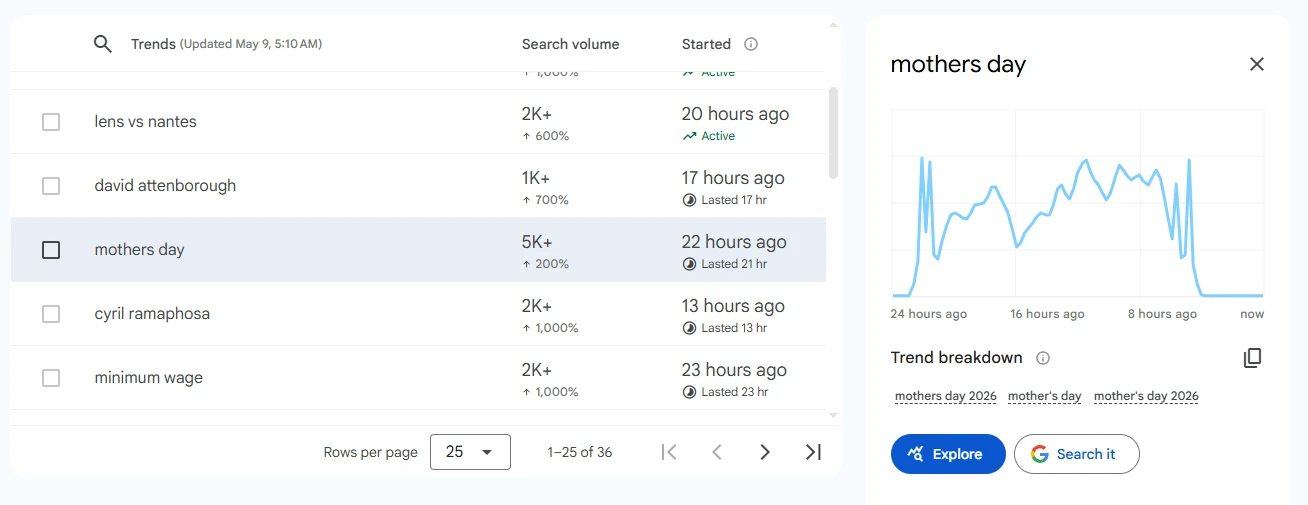
For instance, here, with Mother’s Day trending and coming soon, you could create gifting products like cards, editable photo collage templates, or a memory journal.
You can also use tools like ChatGPT to brainstorm ideas faster. For example, you can describe your target audience and ask for product suggestions, outlines, or content ideas based on their biggest struggles.
Another smart way to test demand is through pre-selling. Instead of spending weeks creating a full product, offer early access at a discounted price to people in your network or online groups.
This helps you confirm there is real interest before investing more time. It also gives you valuable feedback that can improve the final version.
Generally, products that solve real problems tend to perform better over time.
Step 2: Create High-Value Digital Products
Once you know people are interested, the next step is building a product that delivers real value.
Your goal is not just to make sales but to create something customers genuinely find useful enough to recommend to others.
You do not need expensive equipment or advanced technical skills to get started. Many successful creators use simple and affordable tools.
E-books and guides can be written in Google Docs, planners and templates can be designed in Canva, and short courses can even be recorded using a smartphone.
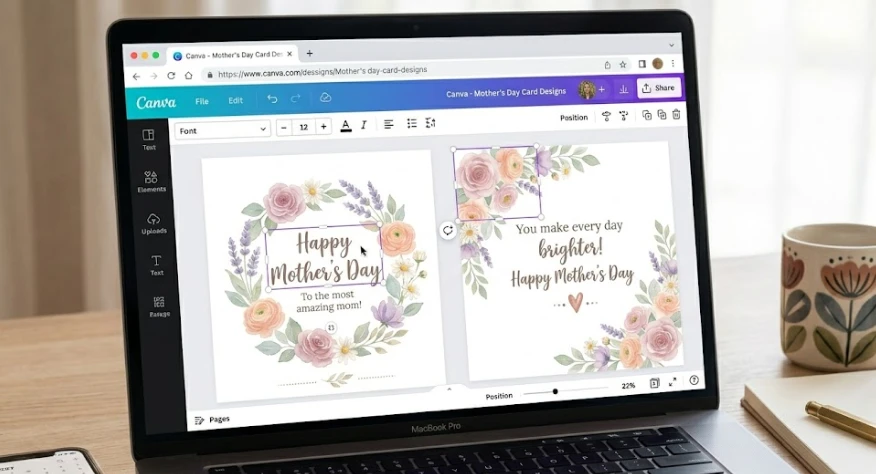
AI tools can also help speed up the process. You can use them for outlining content, organizing lessons, generating ideas, or editing drafts while still adding your own experience and personality to the final product.
Some digital products that work really well in Kenya include:
- E-books and PDF guides
- Printable planners and trackers
- Canva templates
- Short online courses
- Excel spreadsheets and business toolkits
- Audio guides and tutorials
Presentation is also very crucial. Make your files easy to access and download by packaging them properly as PDFs, ZIP files, or membership content.
Test everything before selling, especially on mobile devices since many customers will access your products through their phones.
Most importantly, focus on results. When your product helps people save time, make money, stay organized, or solve a problem, they are more likely to leave testimonials, return for future products, and recommend your business to others.
Step 3: Choose the Right Platform to Sell Digital Products
After creating your product, the next step is deciding where you want to sell it.
The platform you choose affects your profits, branding, customer experience, and how much control you have over your business as it grows.
1) Marketplaces
If you want a quick and simple setup, beginner-friendly marketplaces are a great place to start. Platforms like Payhip, Gumroad, Selar, and Etsy make it easy to upload products, collect payments, and deliver files automatically to customers.
These platforms already have built-in systems for handling sales, which helps new creators start selling faster.
2) Self-Publishing Platforms
Another option is using self-publishing and distribution platforms.
If you plan to sell books, journals, or educational content, services like Amazon KDP allow you to publish directly on Amazon, while aggregators such as Draft2Digital and IngramSpark distribute your work across multiple online bookstores like Apple Books and Kobo from one dashboard.
Platforms like Lulu are also useful for creators selling print-on-demand books and digital publications.
3) Website/Online Store
As your business grows, having your own online store becomes one of the best long-term moves you can make.
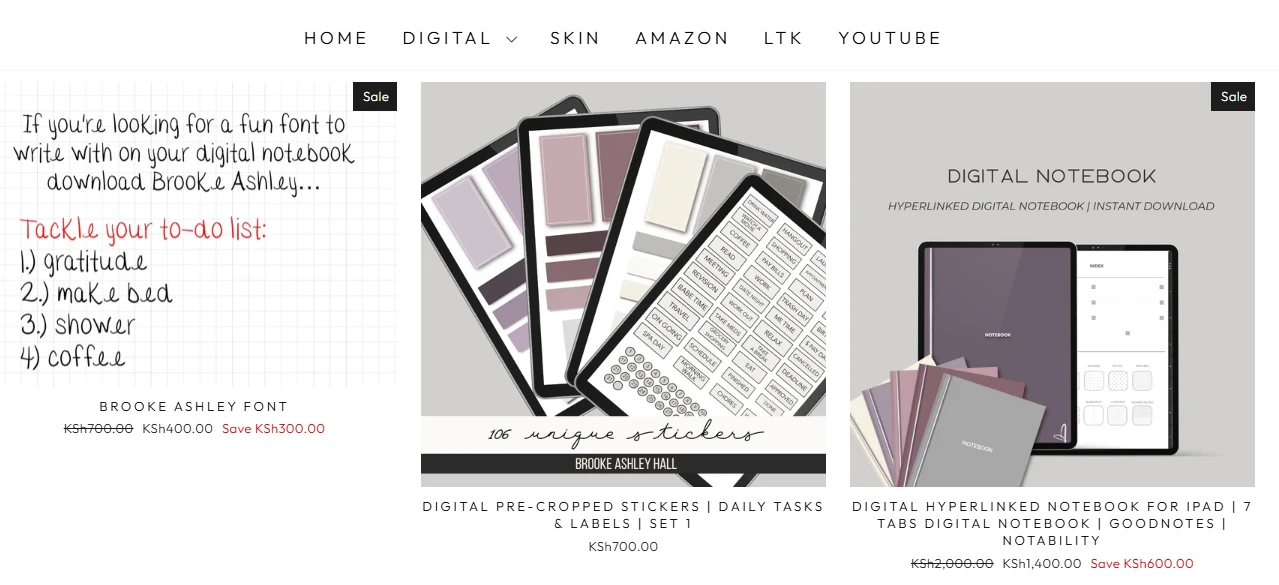
Your website gives you full ownership of your brand, customer list, pricing, and marketing. You also avoid relying entirely on third-party platforms that can change fees or policies at any time.
For creators in Kenya, Truehost offers an easier way to launch an online store with features designed for local businesses.
You can set up a website quickly using web hosting or the Online Shop Builder, integrate M-Pesa payments, secure your site with SSL certificates, and manage unlimited digital products as your store expands.
Our hosting plans are suitable for beginners starting small and businesses handling higher traffic as sales increase.
It is also important to make payments easy for your customers.
In Kenya, M-Pesa remains one of the most trusted payment methods, so adding mobile money support can significantly improve conversions. Card payments and bank options also help you reach international buyers.
Step 4: Market and Sell Your Digital Products Effectively
Creating a great product is only part of the process. People need to hear about it before they can buy it, which is why marketing plays such a big role in online sales.
a) Free Products or Content
One of the most effective ways to attract customers is through free content.
Platforms like YouTube, Instagram, TikTok, and Facebook give you direct access to the audience you want to reach.
Instead of constantly pushing sales, focus on sharing useful tips, quick tutorials, helpful insights, or small wins related to your product. This builds trust naturally and gives people a reason to follow your work.
b) Consistency
Reply to comments, answer questions, and stay active in communities where your audience already spends time.
WhatsApp groups and Facebook communities are especially powerful in Kenya because people often buy from creators they already trust or interact with regularly.
c) Customer Reviews
Testimonials and customer results can also increase confidence in your products. When early buyers share positive feedback, screenshots, or success stories, new customers feel more comfortable purchasing from you.
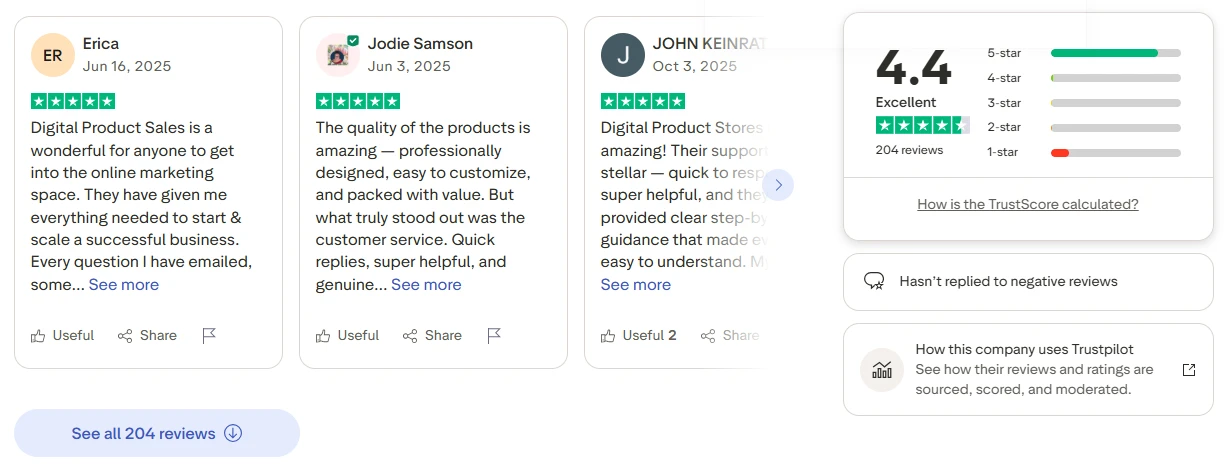
d) Strong Launch Strategy
Start by building interest before the official release through teasers, pre-orders, or early access offers.
Use email lists or WhatsApp broadcasts to keep potential buyers updated, then share proof and testimonials once sales begin coming in.
e) Paid Ads
As your business grows, you can experiment with paid advertising, but many successful creators begin with free organic traffic first. This helps you learn what your audience responds to before spending money on ads.
f) SEO
Finally, pay attention to SEO for your online store.
Clear product titles, keyword-rich descriptions, and helpful blog content can help your products appear in search results over time, bringing in consistent traffic without relying only on social media.
When you combine social media, WhatsApp Business, and community-driven marketing, you often build loyal audiences much faster. People are more likely to buy repeatedly when they feel connected to the person behind the brand.
Step 5: Price Your Digital Products for Value
One mistake many beginners make is pricing their products too low simply because they are digital files.
The real value of a digital product is not based on how many pages it has or how long it took to create. People pay for the result it helps them achieve.
If your budgeting template helps someone manage their finances better, or your business guide saves a small business owner hours of trial and error, that solution has real value.
A simple spreadsheet that saves time or helps people make money can often be worth far more than its file size suggests.
Start by researching similar products in your niche. Look at what other creators are charging, the quality they offer, and the type of audience they serve.
Then ask yourself what kind of transformation or benefit your product provides. Pricing should reflect the value customers receive while still feeling affordable for your target audience.
It is also okay to start with a lower introductory price as you build trust and collect feedback. As your audience grows and your product gains positive reviews, you can gradually increase your pricing with confidence.
Avoid pricing based on fear or trying to compete with the cheapest option online.
Strong products backed by good marketing and clear results often attract better customers who are willing to pay for quality.
Step 6: Track, Improve, and Grow Your Sales
Your first product launch is only the beginning. The most successful digital product businesses continue improving over time based on customer feedback and sales data.
Pay attention to how people interact with your products.
- Which products sell the most?
- What questions do customers ask before buying?
- What feedback keeps appearing in reviews or messages?
These small details can help you improve your products, sales pages, and pricing.
You do not need complicated software in the beginning. Even simple tools like Google Sheets or built-in platform analytics can help you track sales, customer behavior, and growth trends.
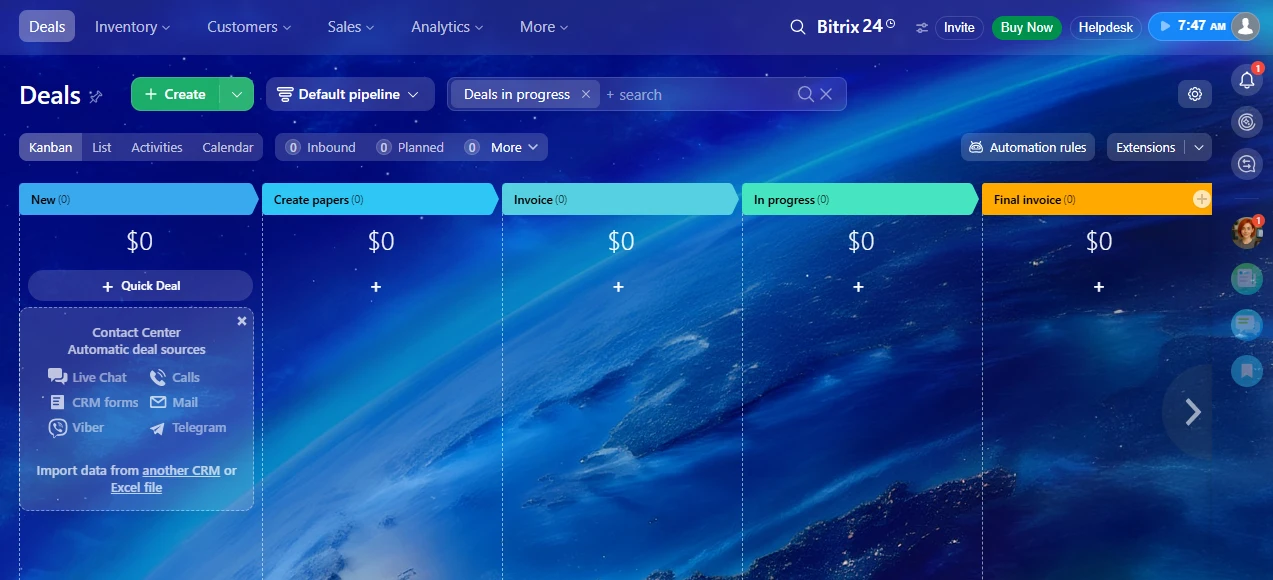
As sales increase, focus on improving the customer experience. Update older products, add bonuses, simplify downloads, and showcase testimonials from happy buyers.
Social proof can significantly increase trust, especially for first-time customers.
Scaling also becomes easier once your systems are running smoothly. You can expand by creating additional products, bundling related resources together, launching memberships, or automating product delivery through your website.
Some creators also grow through affiliate partnerships, collaborations, or content marketing that continues bringing in traffic long after it is published.
Avoid these by all means:
- Trying to target everyone
- Neglecting mobile users
- Giving up too quickly after the first launch
Building steady online income usually takes consistency, testing, and patience.
Over time, digital products can become a reliable source of passive income, especially when supported by a fast and stable online store.
With reliable hosting from Truehost, your website can continue handling growing traffic and customer downloads smoothly as your business expands.
Ready to Launch Your First Digital Product?
You already have knowledge, skills, or experience that can help someone else solve a problem. The next step is packaging that value into a product people can easily access online.
Start with one simple product, focus on helping a specific audience, and stay consistent as you grow.
With the right tools, reliable hosting, and a clear strategy, your digital product business can become a long-term source of income and freedom.
If you are ready to build your own online store, look at our affordable hosting and e-commerce solutions and start selling your digital products with confidence.