 Domain SearchInstantly check and register your preferred domain name
 Web Hosting
 cPanel HostingHosting powered by cPanel (Most user friendly)
 WordPress HostingHost your WordPress website with fast, secure, and affordable WordPress hosting in Kenya.
 KE Domains
 Reseller HostingStart your own hosting business without tech hustles
 Windows HostingOptimized for Windows-based applications and sites.
 Free Domain
 Affiliate ProgramEarn commissions by referring customers to our platforms
 Free HostingTest our SSD Hosting for free, for life (1GB storage)
 Domain TransferMove your domain to us with zero downtime and full control
 All DomainsBrowse and register domain extensions from around the world
 .Com Domain
 WhoisLook up domain ownership, expiry dates, and registrar information
 VPS Hosting
 Managed VPSNon techy? Opt for fully managed VPS server
 Dedicated ServersEnjoy unmatched power and control with your own physical server.
 Website Builder
 Online Store BuilderLaunch a professional e-commerce store without writing code.
 Web Design ServiceGet a custom-designed website tailored to your brand and goals. From just KES 15,600
 BlogRead our guides on web hosting, online business, digital marketing, and more
 SupportOur support guides cover everything you need to know about our services
 ContactContact us via chat or email
Do you want to deploy your app online but feel unsure which hosting setup will handle your code, users, and growth without breaking?
Take a pause. Before anything else, let’s get clear on what application hosting means.
Application hosting means placing your application on a server that stays online at all times. Think of it like renting a room for your app. Instead of living on your laptop, your app runs on a powerful computer connected to the internet 24/7. That server runs your backend code, handles user requests, connects to your database, and sends results back to users, all in seconds.
Here is a simple example. A user clicks “Login.” The request travels to your server. Your backend checks the credentials. The server sends a response back. Done, just like that.
Without application hosting, your app stays on your local machine. No real users can reach it. It is basically invisible to the world.
Want to learn more? Keep scrolling as we break it all down, step by step.
We will cover:
- How Application Hosting Works Step by Step
- Types of Application Hosting
- Key Application Hosting Features Developers Should Look For
- Application Hosting vs Web Hosting
- How Application Hosting Impacts Performance
- Where to Host Your Application
How Application Hosting Works Step by Step
What happens when you take your app live? Here is the full picture.
1) You Build Your Application

You write your code using Node.js, PHP, Python, or Java, or frameworks like Laravel, Django, or Express. This is the part you likely already know.
2) You Prepare the Environment
Your app needs a runtime such as Node.js or Python, a database such as MySQL or PostgreSQL, and a web server such as Apache or Nginx. You either set this up yourself or use a hosting provider that handles it for you.
3) You Deploy the Code
Next, you upload your files using Git, FTP, or CI/CD pipelines. Think of deployment as simply moving your app from your home computer to its new live address on the internet.
4) The Server Runs Your App
From there, the server listens for incoming requests, processes logic, queries the database, and returns responses. All of this happens quietly behind the scenes.
5) Users Access Your App
Finally, users open https://yourdomain.com, and your application hosting setup handles everything smoothly in the background.
Types of Application Hosting
Not all application hosting is the same. There are different types to choose from, depending on how simple or complex your app is and how much traffic you expect.
Here are the five main ones.
a) Shared Hosting
With shared hosting, you share one server with many other users. It is cheap and works well for simple PHP apps, small projects, or beginner testing. However, the downside is low control and slower speeds when traffic gets heavy.
b) VPS Hosting
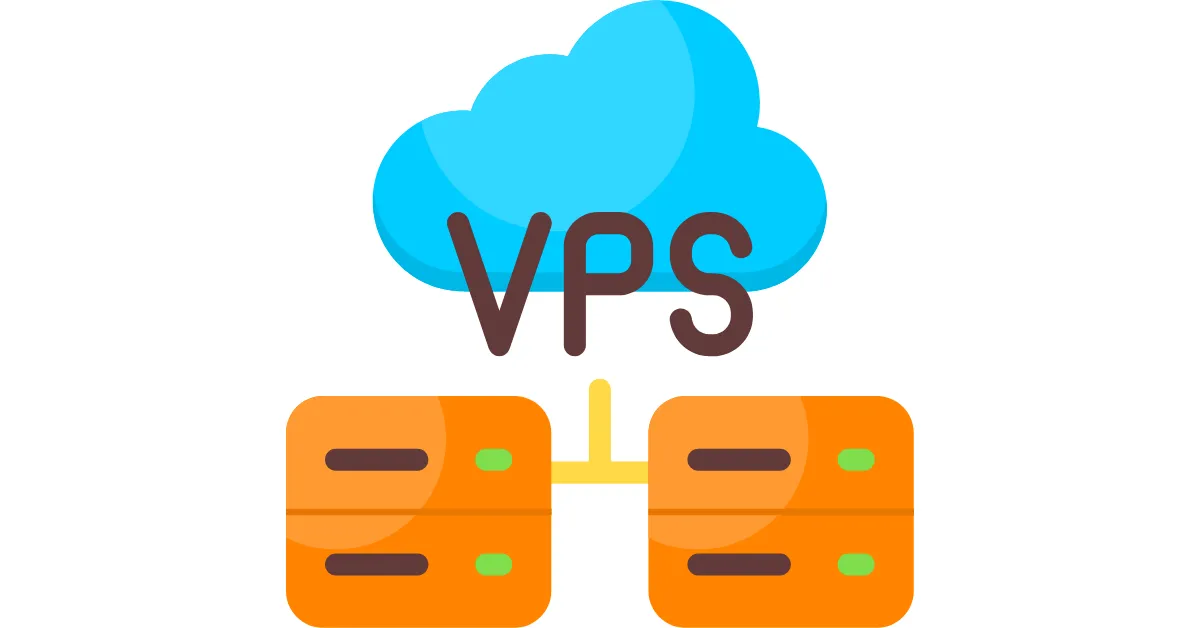
VPS stands for Virtual Private Server. Here, you get a virtual server with dedicated resources. This means you are not sharing power with other people. It is best for APIs, medium-traffic apps, and custom backend setups.
You control the OS, software stack, and server configuration.
c) Cloud Hosting
With cloud hosting, your app runs across multiple servers at once. So if one server runs into a problem, another one immediately picks up the work. Cloud application hosting is best for apps with traffic spikes, SaaS platforms, and production systems. You get high uptime, easy scaling, and built-in load balancing.
In fact, 94% of enterprises use cloud computing today, which shows this is no longer just a trend. It is the standard.
d) Dedicated Servers
Here, you get a full physical server entirely to yourself. It is best for high-traffic apps, enterprise systems, and heavy workloads. You control absolutely everything.
e) Managed Hosting
With managed hosting, the provider handles setup, updates, and security on your behalf. It is ideal for developers who want to focus fully on writing code without stressing over server management.
Key Application Hosting Features Developers Should Look For
Now that you understand the types, the next step is to figure out what to look for in any application hosting plan.
a) Speed
Slow apps lose users fast. So check for SSD storage, server locations close to your users, and caching support.
b) Uptime
Your app needs to stay online at all times. ITIC’s 2024 research found that the average cost of just one hour of downtime exceeds $300,000 for over 90% of mid-size and large enterprises. That is why you should look for 99.9% uptime guarantees or higher.
c) Scalability
Your application hosting should grow right alongside your app. You need the ability to add CPU, increase RAM, and handle sudden traffic spikes, all without panic.
d) Security
Check for SSL support, firewalls, and regular backups. These should come as standard basics, not paid extras.
e) Developer Control
Make sure you have SSH access, environment configs, and logs. These tools make it much easier to debug problems and optimize performance quickly.
Application Hosting vs Web Hosting
A lot of people confuse application hosting with web hosting, and that is understandable. But here is the core difference: web hosting is for static sites, while application hosting is for dynamic apps.
The table below provides further details.
| Feature | Web Hosting | Application Hosting |
| Main Purpose | Serve simple websites (blogs, pages) | Run full applications (APIs, dashboards, SaaS) |
| Best For | WordPress, HTML sites | Node.js, Python, Laravel, custom apps |
| Server Access | Very limited (no root access) | Full control (SSH, root access) |
| Setup Flexibility | Fixed environment | You control the entire stack |
| Backend Support | Basic (PHP mostly) | Full backend support (Node, Python, Java, etc.) |
| Performance Handling | Struggles with high traffic | Built to handle scale and heavy requests |
| Scaling Options | Upgrade plan manually | Auto-scale or adjust resources anytime |
| Deployment Method | File upload (cPanel, FTP) | Git, CI/CD pipelines, containers |
| Customization | Limited configs | Full control over server, ports, services |
| Use Case Example | Blog, portfolio site | SaaS app, REST API, web platform |
Simply put, if your app has logic, users, or APIs, you need application hosting.
Get Started and Host Your Application
Application hosting is what brings your app to life online. It runs your code, serves your users, and keeps everything working in real time. Once you choose the right type of application hosting and follow clean deployment steps, your app becomes stable, fast, and ready to grow.
If you want a simple, reliable setup that works, Truehost is your answer. You get VPS and cloud options, full developer control, fast deployment, and local support that works especially well for users in Kenya and nearby regions.
If you are building something serious, you have to host smart.
Head over to Truehost right now, pick a plan that fits your app size, and take your project live with full confidence today.