 Domain SearchInstantly check and register your preferred domain name
 Web Hosting
 cPanel HostingHosting powered by cPanel (Most user friendly)
 WordPress HostingHost your WordPress website with fast, secure, and affordable WordPress hosting in Kenya.
 KE Domains
 Reseller HostingStart your own hosting business without tech hustles
 Windows HostingOptimized for Windows-based applications and sites.
 Free Domain
 Affiliate ProgramEarn commissions by referring customers to our platforms
 Free HostingTest our SSD Hosting for free, for life (1GB storage)
 Domain TransferMove your domain to us with zero downtime and full control
 All DomainsBrowse and register domain extensions from around the world
 .Com Domain
 WhoisLook up domain ownership, expiry dates, and registrar information
 VPS Hosting
 Managed VPSNon techy? Opt for fully managed VPS server
 Dedicated ServersEnjoy unmatched power and control with your own physical server.
 Website Builder
 Online Store BuilderLaunch a professional e-commerce store without writing code.
 Web Design ServiceGet a custom-designed website tailored to your brand and goals. From just KES 15,600
 BlogRead our guides on web hosting, online business, digital marketing, and more
 SupportOur support guides cover everything you need to know about our services
 ContactContact us via chat or email

VPS hosting, short for Virtual Private Server hosting, is a type of web hosting that uses virtualization technology to divide one physical server into multiple isolated virtual servers.
Each VPS comes with its own dedicated resources such as CPU, RAM, storage, and operating system, giving you better speed, stability, security, and control than shared hosting without the high cost of a dedicated server.
For many website owners, shared hosting works well in the beginning.
But as traffic grows, problems like slow loading times, downtime during busy hours, and limited server control can start affecting your website’s performance.
VPS hosting solves this by giving your website its own dedicated environment, so other users on the server cannot affect your resources or performance.
One of the biggest advantages of VPS hosting is the balance it offers.
You get dedicated resources, root access, improved security, and the flexibility to customize your server while still keeping costs lower than a fully dedicated server.
This makes VPS hosting a popular choice for growing blogs, business websites, e-commerce stores, and developer projects that need more power and reliability.
Let’s find out. What is VPS hosting about?
How VPS Hosting Works
A VPS starts with a powerful physical server placed in a secure data center.
That single machine is then split into several independent virtual servers using software called a hypervisor.
Each virtual server behaves like its own standalone machine, complete with its own operating system, root access, and dedicated resources.
Those resources include CPU cores, RAM, storage space, and bandwidth, all allocated separately so your site isn’t competing with others.
In many setups, modern virtualization like KVM is used for stronger isolation and better performance.
Storage is usually SSD-based for faster loading speeds, while some older systems still rely on HDD. Providers such as us at Truehost also structure VPS plans around these performance layers to give you more control and stability.
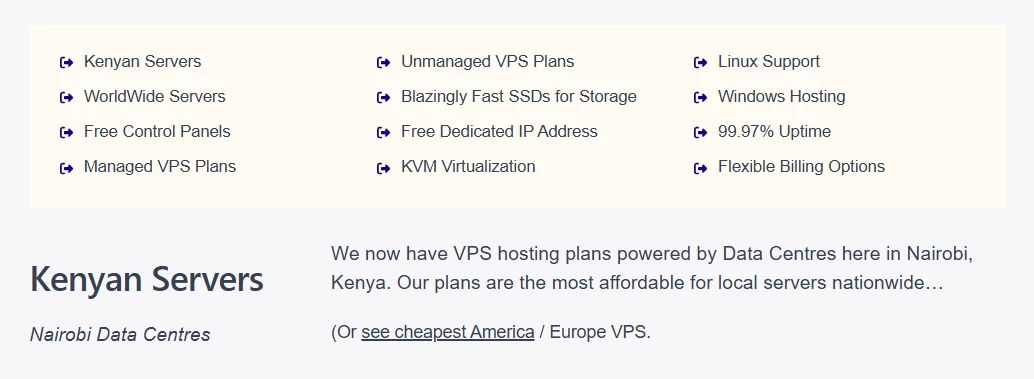
What this means in practice is, even if another website on the same physical server gets a traffic surge, your site continues running smoothly because its resources are reserved for you.
Plus, you can install software, adjust configurations, and manage the environment the way you need without affecting others.
Types of VPS Hosting (What Variations Exist?)
VPS hosting isn’t one-size-fits-all. The experience changes depending on how much control and support you want.
1) Managed vs. Unmanaged VPS
Managed VPS is where the hosting provider handles server maintenance, updates, and technical tasks. It’s useful if you prefer focusing on your website rather than server management.
An unmanaged VPS gives you full control but also full responsibility for setup, security, and maintenance.

There are also middle ground options often referred to as “semi-managed” or “fully managed” depending on the provider.
2) Cloud VPS
Another variation is cloud VPS, which runs on a cluster of connected servers instead of a single machine.
This adds more flexibility and better uptime since resources can shift if one server has issues.
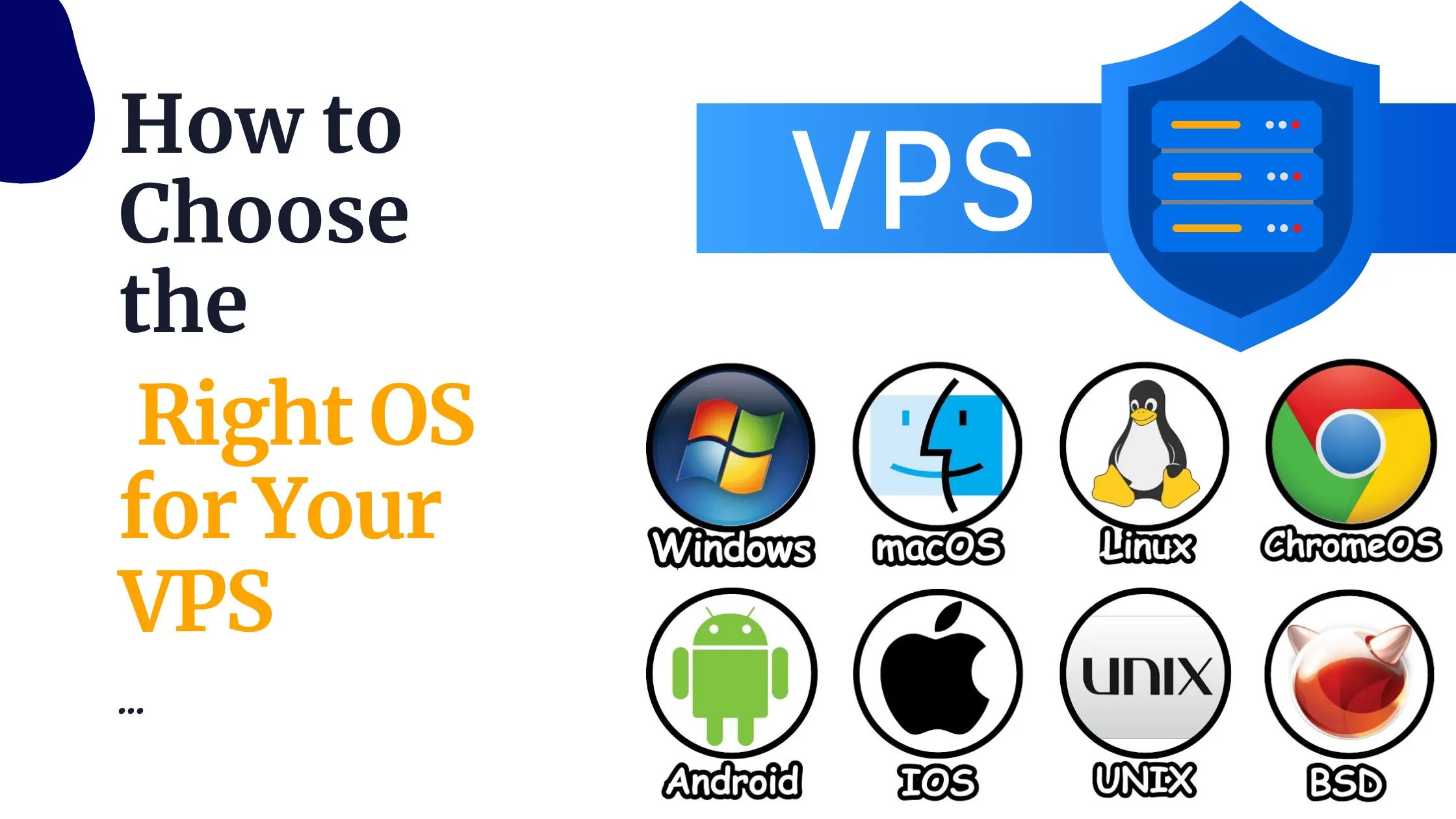
3) Linux VPS vs. Windows VPS.
You’ll also come across Linux VPS and Windows VPS.
Linux is commonly used for web applications and is more lightweight, while Windows VPS is preferred for software that depends on Microsoft technologies.
4) SSD vs. HDD VPS
Finally, there are SSD VPS plans, which prioritize speed by using solid-state drives instead of traditional hard drives.
These are usually faster, more responsive, and better suited for websites that care about performance.
Key Benefits of VPS Hosting
VPS hosting is popular because it strikes a balance between performance, control, and cost, giving your website room to grow without unnecessary limitations.
1. Dedicated resources for consistent performance
Your CPU, RAM, and SSD storage are reserved for your website only.
This avoids the slowdowns common in shared hosting and can deliver speeds up to 10x faster, which is especially useful if you’re a comrade relying on mobile data.
2. Improved security and isolation
Each VPS runs in its own isolated environment, so your files, databases, and applications are not exposed to other users on the same physical server.
This is very important for e-commerce sites handling customer payments and sensitive data.
3. Full root access and customization
You get complete control over your server.
You can install custom software, choose your operating system (such as Ubuntu, Debian, or AlmaLinux), and configure settings based on your exact needs.

4. Easy scalability as you grow
Resources like RAM, CPU, and storage can be upgraded within minutes. There’s no need to migrate to a new server when your traffic increases.
5. Higher reliability and uptime
Quality VPS hosting providers offer uptime levels of around 99.97%, ensuring your website stays online and accessible with minimal interruptions.
6. Cost-effective performance
VPS hosting offers near-dedicated server power at a much lower cost, making it a practical upgrade from shared hosting for growing websites and businesses.
7. Better performance for local audiences
Hosting on nearby servers can reduce latency, improving loading speeds for users in Nairobi and across Kenya, especially for e-commerce platforms and web applications.
VPS Hosting vs. Other Types
| Hosting Type | Performance | Control | Cost | Best Use Case |
|---|---|---|---|---|
| Shared Hosting | Basic, shared resources | Low | Low | Small websites, beginners |
| VPS Hosting | Stable and high performance | High (root access) | Moderate | Growing sites, e-commerce, developers |
| Cloud Hosting | Highly scalable, strong uptime | High | Moderate – High | Apps with variable traffic |
| Dedicated Server | Maximum performance | Full control | High | Large enterprises, heavy systems |
Shared hosting works well at the beginning, but as traffic grows, performance can become inconsistent because resources are shared.
VPS hosting fixes this by giving you dedicated resources and isolation, so your site runs more smoothly and predictably.
Cloud hosting adds flexibility by spreading workloads across multiple servers, while dedicated servers give you full hardware power but at a much higher cost.
When VPS Hosting Is the Right Choice
VPS hosting becomes the right step when your website starts demanding more stability and control.
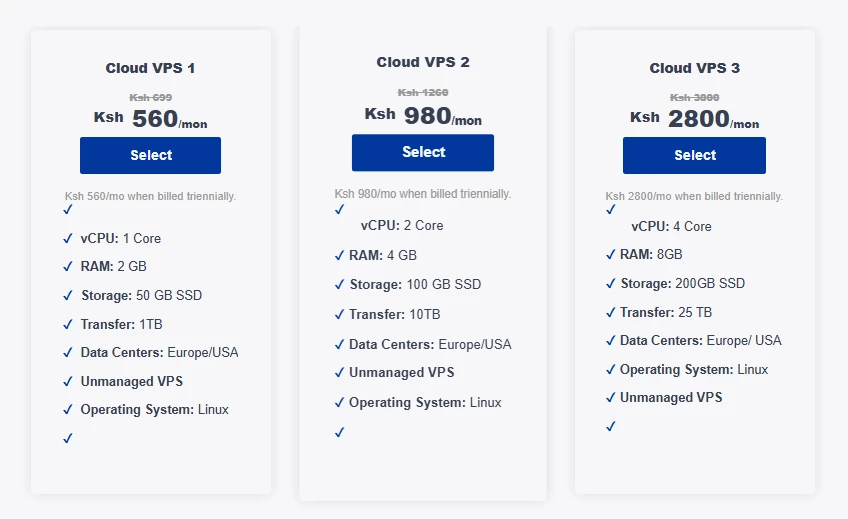
It fits well when traffic is growing steadily, especially for e-commerce stores that need fast checkout experiences. It’s the same case for blogs or content sites with increasing visitors, and developers building custom applications that require specific server configurations.
It also makes sense for businesses in Kenya that have outgrown shared hosting but are not yet ready to invest in a dedicated server.
At this stage, VPS offers the balance of performance, control, and cost that most growing projects need.
Getting Started with VPS Hosting
Choosing the right VPS starts with picking a provider that offers reliable uptime, good performance (SSD storage and strong CPU allocation), responsive support, and the ability to scale resources as your needs change.
After that, it’s important to assess your requirements clearly.
Look at your current traffic, storage needs, and how comfortable you are with managing server settings.
Once that is clear, you can choose a plan that fits your current stage.
Starting small is usually the best approach since VPS resources can be upgraded easily as your website grows. At Truehost, we make this process simple with flexible VPS plans.
Setup depends on the type of VPS you choose. Managed VPS is easier since the provider handles configuration, security, and maintenance. Unmanaged VPS gives you full control but also requires more technical involvement.
From there, optimization becomes the focus. This includes securing your server, improving performance, and ensuring your applications are running efficiently.
As traffic grows, you simply scale resources instead of migrating to a new system.
VPS hosting is ultimately about giving your website room to grow without unnecessary complexity or cost.