 Domain SearchInstantly check and register your preferred domain name
 Web Hosting
 cPanel HostingHosting powered by cPanel (Most user friendly)
 WordPress HostingHost your WordPress website with fast, secure, and affordable WordPress hosting in Kenya.
 KE Domains
 Reseller HostingStart your own hosting business without tech hustles
 Windows HostingOptimized for Windows-based applications and sites.
 Free Domain
 Affiliate ProgramEarn commissions by referring customers to our platforms
 Free HostingTest our SSD Hosting for free, for life (1GB storage)
 Domain TransferMove your domain to us with zero downtime and full control
 All DomainsBrowse and register domain extensions from around the world
 .Com Domain
 WhoisLook up domain ownership, expiry dates, and registrar information
 VPS Hosting
 Managed VPSNon techy? Opt for fully managed VPS server
 Dedicated ServersEnjoy unmatched power and control with your own physical server.
 Website Builder
 Online Store BuilderLaunch a professional e-commerce store without writing code.
 Web Design ServiceGet a custom-designed website tailored to your brand and goals. From just KES 15,600
 BlogRead our guides on web hosting, online business, digital marketing, and more
 SupportOur support guides cover everything you need to know about our services
 ContactContact us via chat or email
Choosing the right web host is one of the most important decisions for any website owner because your hosting provider directly affects website speed, uptime reliability, security, scalability, user experience, and even SEO rankings. This is why web hosting choice counts so much today.
Poor hosting can result in slow loading times that frustrate visitors, frequent downtime that damages trust and revenue, and high renewal costs that catch users off guard later.
In 2026, when users expect websites to load in under two seconds and stay online almost constantly, the right hosting provider can support long-term growth while the wrong one can limit your website’s potential.
This guide provides evidence-based recommendations tailored to different needs, using recent performance benchmarks, real user experiences, feature comparisons, and official provider data to help you choose the best hosting solution for your website.
Top Picks with Evidence-Based Analysis
1) Truehost

Truehost stands out as a strong local choice for users in Kenya and East Africa. It is designed to meet regional needs, with local infrastructure, payments, and support.
Features:
- M-Pesa payments for smooth local billing.
- Affordable .co.ke domain registration (often promotional pricing around KES 570–1,200).
- Plans starting at ~KES 188–208/month (billed triennially; e.g., Starter plan with 30GB SSD, ~25,000 visits/month).
- Free SSL, SSD/NVMe storage, cPanel, Olitt website builder, business email, and free migrations.
- Unlimited bandwidth on higher plans.
Performance: Users and reviews report stable uptime around 99.9%–99.95% (with some claims up to 99.999%). Good local speeds (~320ms or better in Nairobi tests) due to regional data centers. LiteSpeed servers help with speed.
Pros:
- Extremely affordable for beginners and small businesses.
- Local support and payment methods.
- Strong for Kenyan/East African audiences.
Cons:
- Occasional support delays during peaks.
- Less competitive for global audiences or advanced CDN/AI features.
- Mixed reviews on rare outages.
Best for: Kenyan businesses, local blogs, startups, and East Africa-focused sites.
2) Hostinger
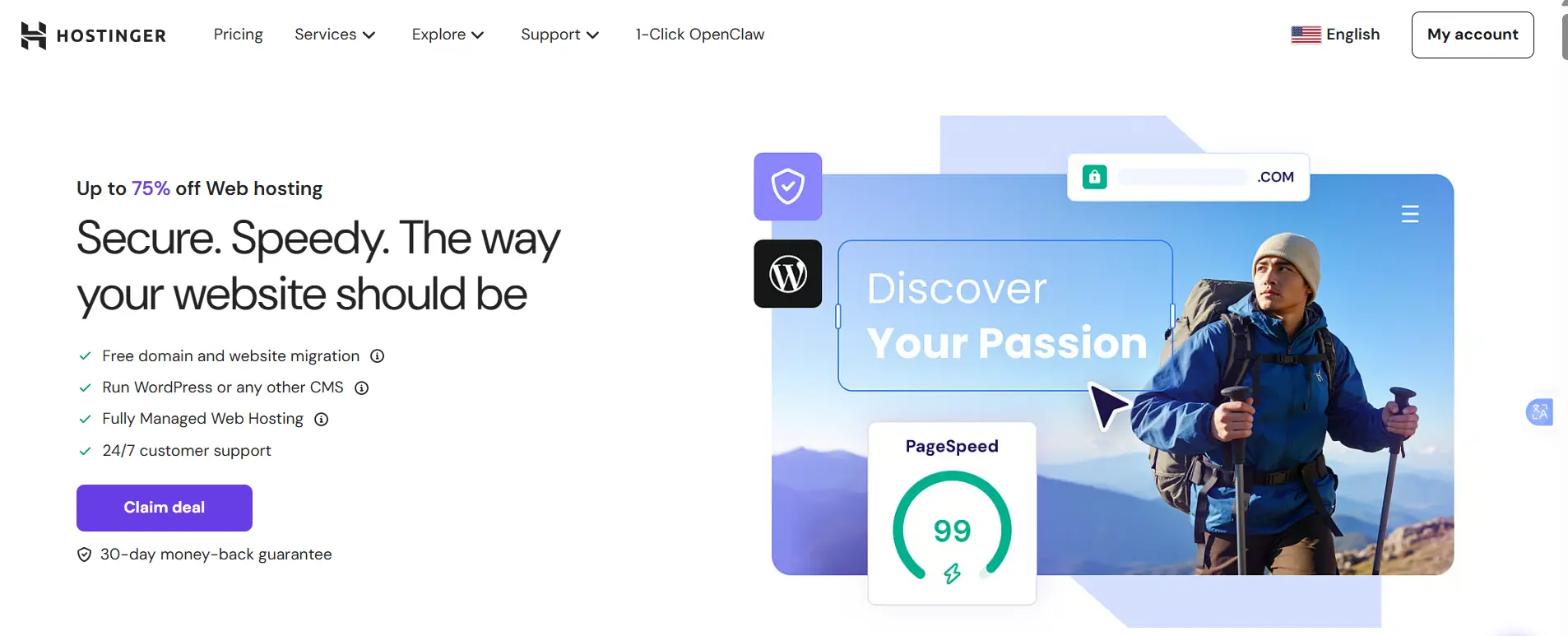
Hostinger excels at balancing price and performance globally, making it a favorite for value-driven users.
Features:
- LiteSpeed servers and SSD storage for fast global load times (often ~200–300ms TTFB, full loads under 1 second in tests).
- AI website builder and easy hPanel.
- Strong feature set including free SSL, migrations, and scaling options.
Performance: Excellent benchmarks, 99.9%+ uptime (often 99.96–100% in independent tests), and competitive speeds that outperform many budget hosts.
Pros:
- Outstanding speed-to-price ratio.
- Beginner-friendly with modern tools.
- Reliable for growing sites.
Cons:
- Biggest discounts on longer terms.
- Support primarily via live chat.
Best for: Beginners, bloggers, and small-to-medium websites seeking global reach.
3) SiteGround

SiteGround is a premium pick, especially for WordPress users, known for managed features and reliability.
Features:
- Google Cloud infrastructure, SG Optimizer plugin, auto-updates, staging tools.
- Strong security (daily backups, firewall) and performance tuning.
Performance: High uptime (99.95%+), fast loads, and excellent WordPress optimization.
Pros:
- Outstanding 24/7 support.
- Reliable and secure.
- Great for managed WordPress.
Cons:
- Higher renewal prices.
- Limited storage on entry-level plans.
Best for: WordPress sites, businesses, and users prioritizing support and optimization.
4) Bluehost

Bluehost is officially recommended by WordPress.org and emphasizes simplicity for first-timers.
Key Features:
- One-click WordPress installs, beginner dashboard, phone/chat support.
- Solid onboarding and a free domain on many plans.
Performance: Acceptable uptime (~99.9%+) and speeds, though not always the fastest in head-to-head tests. Improving reputation.
Pros:
- Very beginner-friendly.
- Easy WordPress setup.
- Trusted recommendation.
Cons:
- Higher renewal costs.
- Mixed performance feedback; some upsells.
Best for: Absolute beginners building their first site or blog.
5) DreamHost
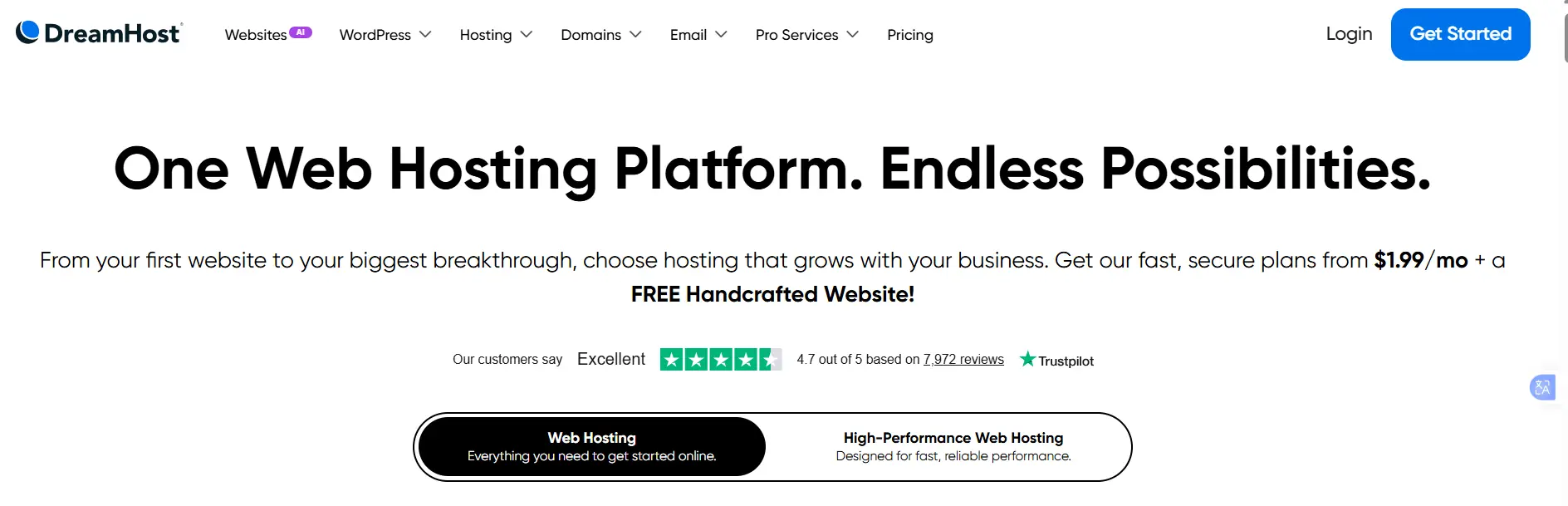
DreamHost suits users managing multiple sites with flexible, transparent plans.
Features:
- “Unlimited-style” shared plans, long money-back guarantee (97 days in some cases).
- Good for open-source and multi-site setups.
Performance: Reliable uptime, average-to-good speeds (not always top-tier).
Pros:
- Flexible for multiple projects.
- Transparent pricing.
- Strong guarantee.
Cons:
- Average speed vs. optimized competitors.
- Fewer cutting-edge features.
Best for: Agencies, freelancers, and multi-site owners.
What to Consider Before Choosing a Web Host
a) Performance & Speed
Website speed has a direct impact on user experience, SEO rankings, and conversion rates. A slow website can frustrate visitors and increase bounce rates, especially on mobile devices.
Look for hosting providers that use modern technologies such as LiteSpeed servers, SSD or NVMe storage, built-in caching, and CDN integration to improve loading times.
It is also important to check Time to First Byte (TTFB) and performance tests for your target audience’s location, since speeds can vary depending on server distance.
b) Uptime Reliability
Uptime measures how often your website stays online and accessible to visitors. Even short outages can result in lost traffic, sales, and customer trust.
A good hosting provider should consistently maintain at least 99.9% uptime, while premium providers often achieve 99.95% or higher.
Instead of relying only on marketing claims, check independent uptime monitoring reports and real user reviews for a more accurate picture of reliability.
c) Security Features
Security should never be treated as optional. A reliable web host should include essential protections such as free SSL certificates, automated backups, malware scanning, firewalls, and DDoS protection.
These features help protect your website from hackers, data loss, and cyberattacks. If you run an online store or collect customer information, strong security becomes even more important.
d) Ease of Use
A beginner-friendly hosting platform can save time and reduce frustration. Control panels like cPanel or hPanel make it easier to manage domains, emails, databases, and website files without advanced technical knowledge.
Features such as one-click WordPress installation, website builders, and automatic updates also simplify website management for beginners and small businesses.
e) Scalability
Your hosting needs today may not be the same a year from now. As your website grows, you may need more storage, bandwidth, or server resources to handle increased traffic.
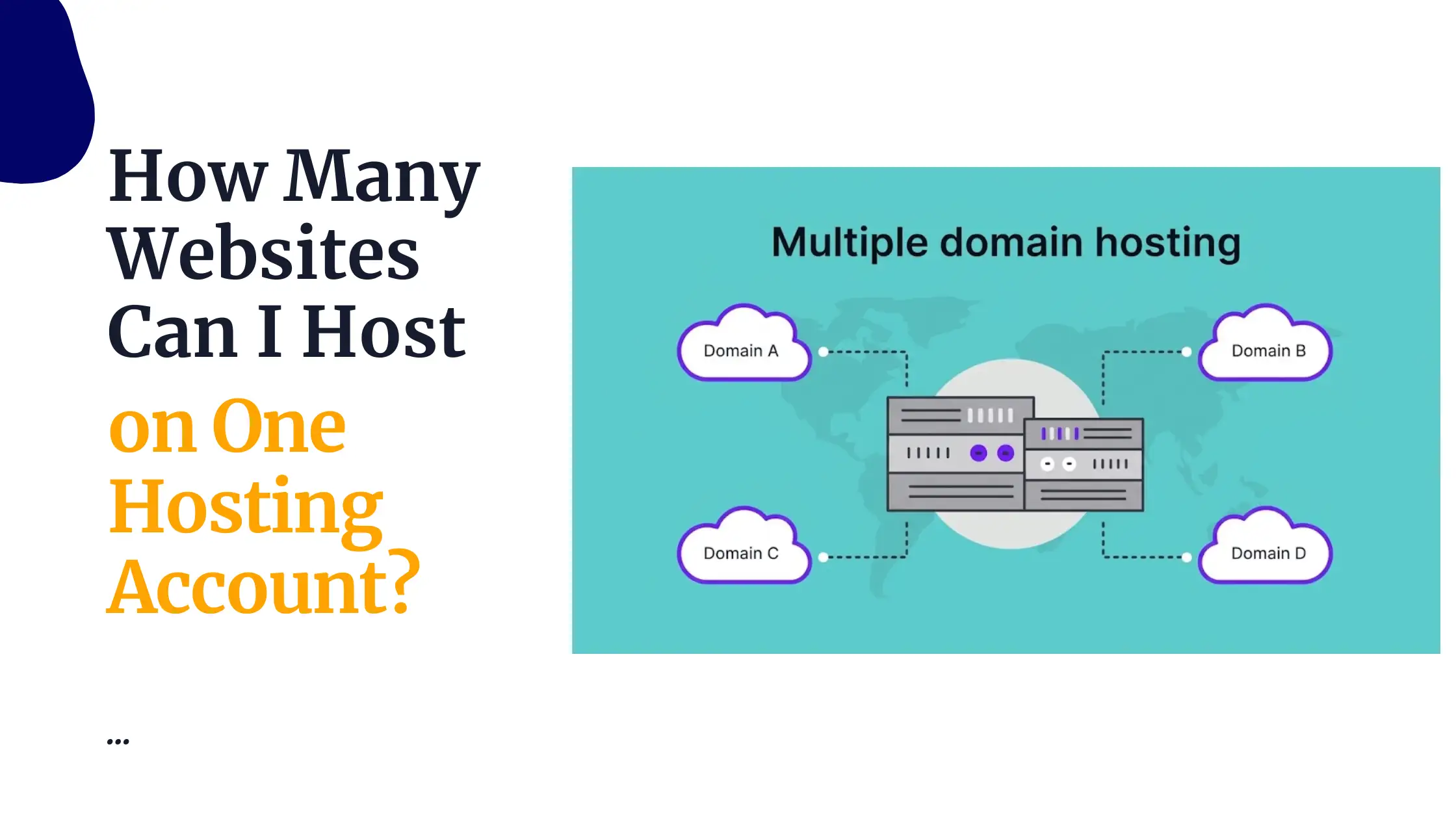
Choose a hosting provider that allows smooth upgrades from shared hosting to VPS, cloud, or dedicated hosting without major downtime or migration issues.
f) Customer Support
Good customer support can make a huge difference when technical issues arise. Ideally, your hosting provider should offer 24/7 support through live chat, tickets, or phone support. Before committing, it is worth checking response times, support reviews, and the quality of their knowledge base or tutorials. Fast and helpful support can save hours of downtime and stress.
g) Pricing & Renewal Costs
Many hosting providers advertise very low introductory prices, but renewal rates are often much higher after the first term ends. Always compare both the starting price and long-term renewal costs before choosing a plan.
It is also smart to calculate the total cost over 2–3 years, including extras such as domain renewals, backups, email hosting, and security add-ons. Sometimes a slightly more expensive plan offers much better long-term value.
Choosing the Right Hosting for Your Needs
There is no one-size-fits-all web hosting provider. The best choice depends on your goals, budget, and target audience.
Truehost is a strong option for its affordability, M-Pesa payments, and local performance. Hostinger offers a great balance of speed and price globally, while SiteGround is ideal for premium WordPress hosting and reliable support. Bluehost is best for beginners, and DreamHost works well for managing multiple websites long-term.
Ultimately, the right host is the one that fits your needs and supports your website as it grows. If you’re in Kenya and want affordable, reliable hosting with local support, Truehost is a solid place to start.