 Domain SearchInstantly check and register your preferred domain name
 Web Hosting
 cPanel HostingHosting powered by cPanel (Most user friendly)
 WordPress HostingHost your WordPress website with fast, secure, and affordable WordPress hosting in Kenya.
 KE Domains
 Reseller HostingStart your own hosting business without tech hustles
 Windows HostingOptimized for Windows-based applications and sites.
 Free Domain
 Affiliate ProgramEarn commissions by referring customers to our platforms
 Free HostingTest our SSD Hosting for free, for life (1GB storage)
 Domain TransferMove your domain to us with zero downtime and full control
 All DomainsBrowse and register domain extensions from around the world
 .Com Domain
 WhoisLook up domain ownership, expiry dates, and registrar information
 VPS Hosting
 Managed VPSNon techy? Opt for fully managed VPS server
 Dedicated ServersEnjoy unmatched power and control with your own physical server.
 Website Builder
 Online Store BuilderLaunch a professional e-commerce store without writing code.
 Web Design ServiceGet a custom-designed website tailored to your brand and goals. From just KES 15,600
 BlogRead our guides on web hosting, online business, digital marketing, and more
 SupportOur support guides cover everything you need to know about our services
 ContactContact us via chat or email
The thought of paying once for web hosting and never worrying about monthly or yearly bills again is exciting.
Web hosting lifetime deals sound like the smart hack. Many chase these deals, hoping to cut costs in a tough economy.
Well, the bitter truth is that many of these lifetime deals turn into frustrations.
Providers oversell resources, service quality drops, or they shut down completely. This has left many websites wept out, emails, and years of hard work.
I went ahead and did some research on this, and here’s what I found, plus my honest take on what I’d suggest.
Why Web Hosting Lifetime Deals Are Too Good to Be True
This looks like a big savings, right? I’m a strong believer that if the deal is too good, think twice. I guess that applied here.
When running a hosting business or any other business, expenses never stop as long as the business is running.
A one-time payment simply cannot cover them indefinitely without serious compromises.
1) Hosting Has Ongoing Costs That Never Stop
Servers, bandwidth, electricity, cooling systems, technical staff, security updates, software licenses like cPanel, compliance, and regular hardware upgrades all cost money month after month.
Even at scale, shared hosting might cost a provider KSh 200 – KSh 3000+ per customer per month in resources, depending on usage and location.
A KSh13,000–KSh 40,000 lifetime fee might cover only 2–5 years of service, and that’s before inflation, growing traffic, or tech upgrades hit.
Providers rely on a constant flow of new customers to subsidize the ‘lifetime’ ones. When new sign-ups slow down, cash flow dries up.
That can result in overselling, cutting corners, or outright closure.
It’s a model that often resembles a pyramid more than a sustainable business.
You might enjoy good service for the first year or two. After that, things often change.
Read also: Domain Life Cycle: What is it?
2) Providers Disappear Without Warning
This is the most painful risk. When a lifetime host shuts down, your site can go offline with little or no notice.
Here are some examples I found:
- iBrave: Sold popular lifetime plans. In 2024, they announced closure effective November 1, 2024, citing ‘personal circumstances.’ Customers had to scramble to migrate, often to more expensive alternatives.
- Hyper Host: Some customers reported shutdowns roughly 1.5 years after purchasing lifetime deals, with complaints about sudden closures and limited refunds.
- MyW: Faced bankruptcy and closure announcements in 2024. Customers lost access, with data deletion risks.
- CloudAtCost: Long history of ‘lifetime’ promises followed by forced migrations, added fees, or service degradation.
Forums like Reddit and WebHostingTalk are full of similar stories. Refunds are rare or limited to the original payment, and data loss becomes your problem.
3) Performance Degrades Over Time
To make quick money, many lifetime providers oversell servers heavily. Early customers might get decent speeds.
As more ‘lifetime’ users pile in without new revenue, the server gets crowded.
You start noticing slower page loads, higher latency, frequent crashes (some users report 3–4 times a week), outdated hardware, and neglected security patches.
Regular monthly-paying customers often receive priority. Lifetime users effectively become second-class citizens as the company chases fresh cash flow.
Your visitors expect fast loading, especially on mobile. Poor performance hurts SEO, user experience, and sales.
Related: Can I Buy a Domain Permanently? Here’s What the Experts Say
4) You’re Locked In With No Flexibility
Your needs will change. Traffic grows. You add an online store. You need better security, a CDN, or more storage.
Most lifetime plans don’t adapt easily. Upgrades come with extra fees. ‘Unlimited’ often hides fair-use policies, throttling, or restrictions.
Switching hosts means you lose your sunk cost and face migration work plus potential downtime.
Fine print can also force you to buy domains from them or limit features.
What looked like savings quickly evaporates when you calculate downtime, lost revenue, and extra costs.
5) The Migration Problem
When things go wrong, you get little help. You must quickly find a new host, download files and databases (if still accessible), update DNS, test everything, and hope no data is corrupted.
Downtime kills SEO rankings and sales. For an e-commerce site, even a few hours offline hurts. Provider backups may not be available or reliable.
Your only real safety net is maintaining your own recent, independent backups. Never assume the host will save you.
6) Support Becomes an Afterthought
Lifetime users bring no recurring revenue, so support often suffers. Ticket responses drag on for days or weeks.
Live chat disappears. Knowledge bases stay outdated.
If your site has email, contact forms, or checkout issues, slow support turns small problems into major outages.
Web Hosting Lifetime Deals FAQ
Are all lifetime hosting deals scams?
Not technically scams in every case, but most carry high risk. Providers with diversified revenue (regular plans, domains, other services) tend to be safer. Pure lifetime-focused companies often fail fastest.
What happens if the provider shuts down?
Your site goes offline. You migrate manually with your backups. Expect little or no compensation beyond the original payment.
Why do companies offer them if they are unsustainable?
They generate quick cash for bills, expansion, or personal needs. Attractive deals sometimes signal financial stress.
Can a lifetime deal ever be worth it?
Possibly for low-stakes personal or hobby sites where occasional downtime won’t destroy your work. Even then, only from somewhat established providers, with strong personal backups. For business, client, or revenue-generating sites: the risks far outweigh any savings.
What should I look for instead?
Choose hosts with 3+ years of solid history, transparent pricing, 99.9%+ uptime guarantees, money-back policies, and good independent reviews. Long-term prepaid plans (2–3 years) give real discounts with far less risk.
What to Do Instead
Skip the lifetime gamble. Opt for long-term plans (1–10years) from proven providers. You lock in discounts while keeping accountability and easier exit options.
Focus on reliability: strong track record, clear terms, regular upgrades, solid support, free migrations, and reliable backups.
If you have Kenyan businesses, choose providers with local or East Africa servers for lower latency, better local SEO, M-PESA payments, and KES billing. Local support makes a big difference when issues arise.
Always keep independent backups (tools like UpdraftPlus for WordPress plus offsite storage). Monitor uptime and keep a migration plan ready.
A solid 2–3 year plan from a reputable host beats an unproven “lifetime” deal every single time.
Get Web Hosting with Us
At Truehost, we focus on sustainable, high-quality hosting built for Kenyan users and businesses.
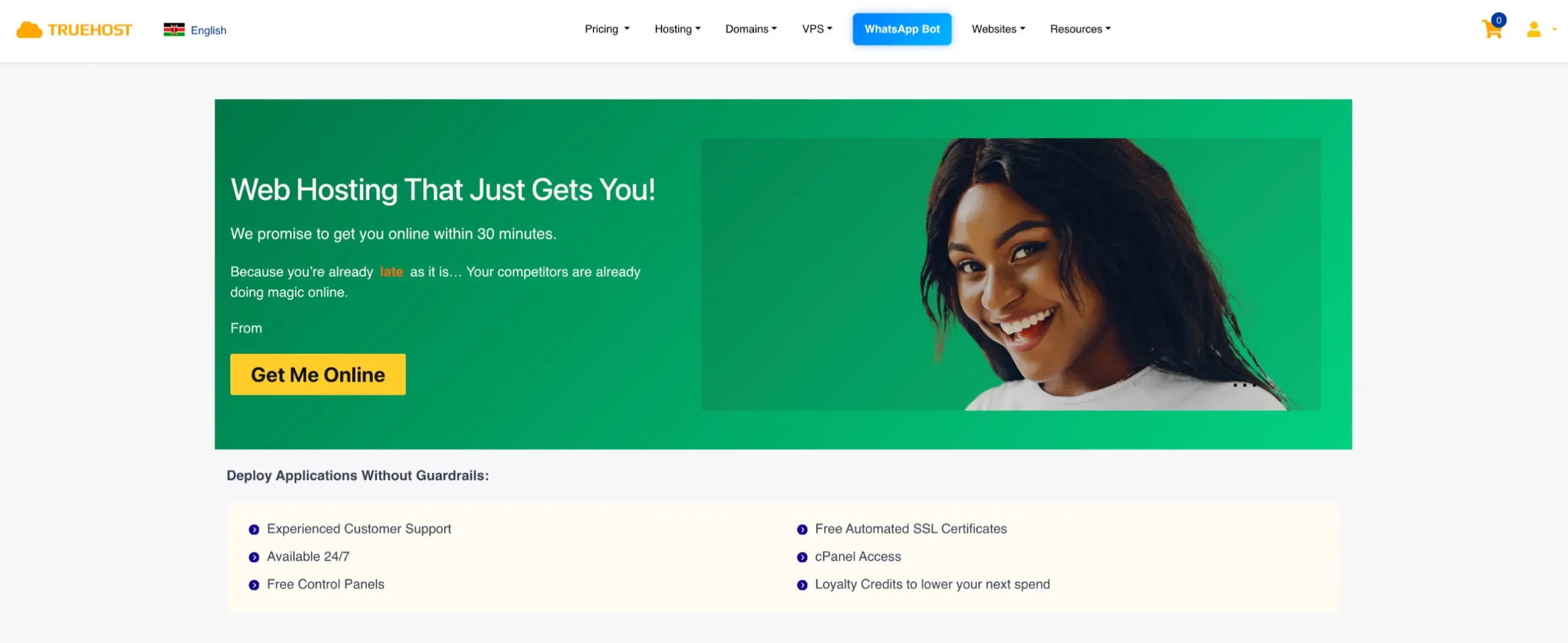
Our plans include SSD storage, reliable performance, M-PESA payments, local support, and servers optimized for the region.
You get transparent long-term pricing without the hidden risks of lifetime models.
Ready for dependable web hosting that actually lasts? Check our hosting plans.
We’re here to support your growth without the drama. Get started today and focus on building your business while we handle the hosting.