 Domain SearchInstantly check and register your preferred domain name
 Web Hosting
 cPanel HostingHosting powered by cPanel (Most user friendly)
 WordPress HostingHost your WordPress website with fast, secure, and affordable WordPress hosting in Kenya.
 KE Domains
 Reseller HostingStart your own hosting business without tech hustles
 Windows HostingOptimized for Windows-based applications and sites.
 Free Domain
 Affiliate ProgramEarn commissions by referring customers to our platforms
 Free HostingTest our SSD Hosting for free, for life (1GB storage)
 Domain TransferMove your domain to us with zero downtime and full control
 All DomainsBrowse and register domain extensions from around the world
 .Com Domain
 WhoisLook up domain ownership, expiry dates, and registrar information
 VPS Hosting
 Managed VPSNon techy? Opt for fully managed VPS server
 Dedicated ServersEnjoy unmatched power and control with your own physical server.
 Website Builder
 Online Store BuilderLaunch a professional e-commerce store without writing code.
 Web Design ServiceGet a custom-designed website tailored to your brand and goals. From just KES 15,600
 BlogRead our guides on web hosting, online business, digital marketing, and more
 SupportOur support guides cover everything you need to know about our services
 ContactContact us via chat or email
Is basic hosting enough for what you’re trying to build in 2026? And how do you tell?
When you first launched your website, basic hosting probably felt perfect. Affordable, simple, and no complications.
But lately, something feels off.
Well, as your traffic grows, your content expands, and your business becomes more ambitious, that once “good enough” plan can start to feel… tight.
Think of it like moving into your first apartment. It worked when you had a mattress, a laptop, and big dreams.
But now, you’ve added furniture, responsibilities, and maybe even a growing audience knocking at your digital door. And that’s when you start asking whether basic hosting still works for you.
In this guide, we’ll break down what basic hosting actually offers, when it’s enough, and how to read the signs of outgrowing it.
That should help you to confidently choose the right setup for your website in 2026 and beyond.
Let’s see if your basic website hosting still makes the cut.
What Do We Refer to as Basic Hosting?
Let’s start by clearing something up. When people say “basic hosting,” they’re usually talking about shared hosting.
That simply means your website lives on a server alongside other websites. You all share the same resources, which is exactly why it’s affordable and easy to maintain.
For most people launching a website, this is the natural starting point. It’s budget-friendly, doesn’t require technical skills, and handles everyday needs without drama.
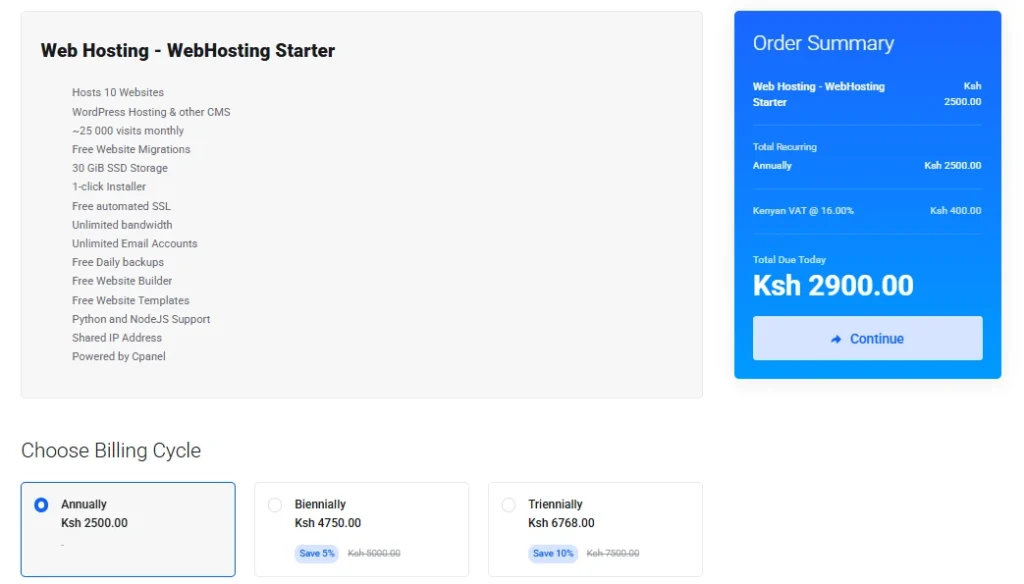
At Truehost, our WebHosting Starter plan is a good example of what basic hosting looks like in practical terms.
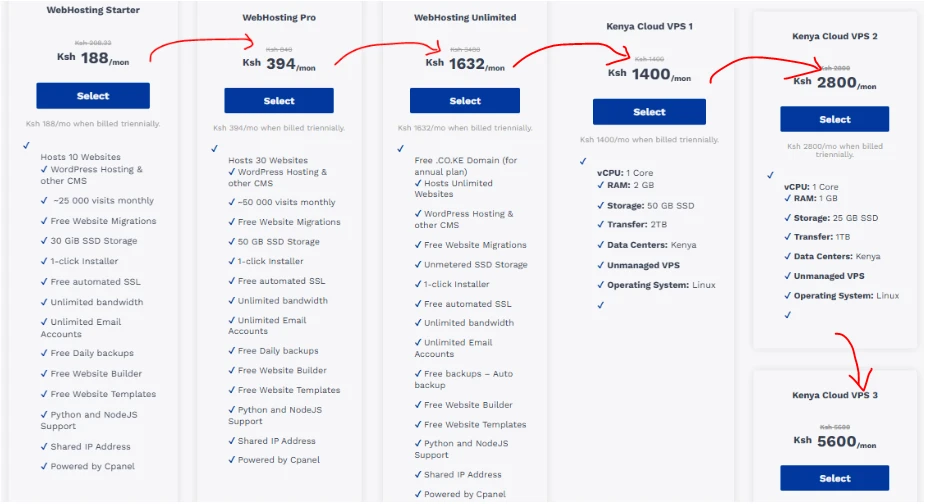
For as low as KES 188 per month on a triennial plan (or KES 208 on a monthly promo), you get 30GB SSD storage, unlimited bandwidth, support for around 25,000 monthly visits, and a free SSL certificate.
It also includes unlimited email accounts, one-click WordPress installation, cPanel, free daily backups, and LiteSpeed for improved performance.
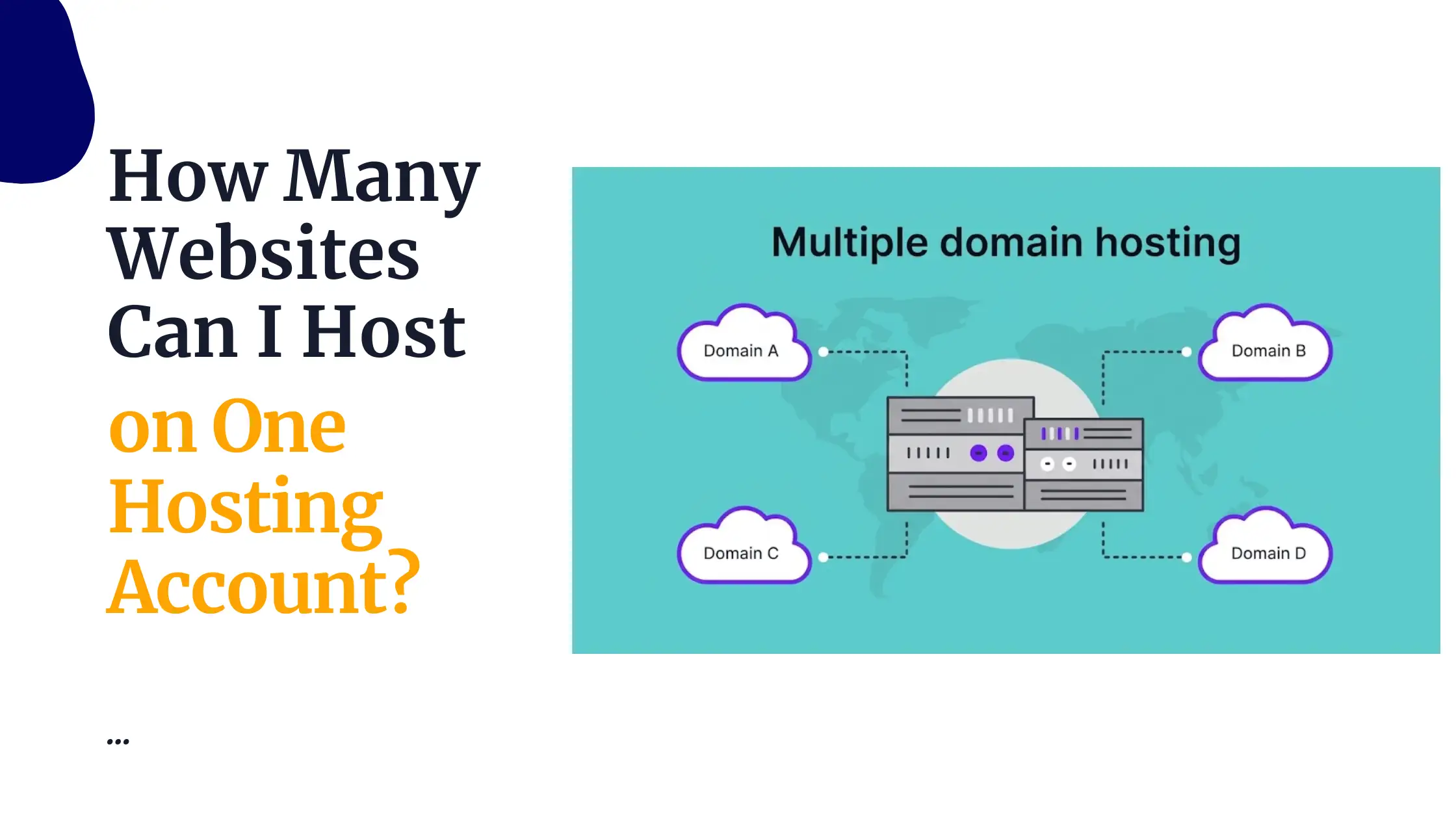
Some variants even allow you to host up to 10 websites.
For someone just getting started, that’s more than enough power.
You can launch quickly, manage everything from one dashboard, and avoid technical headaches.
Add M-Pesa payments and local support that understands the Kenyan market, and it becomes a very accessible entry point.
When is Basic Hosting Enough in 2026?
Surprisingly, basic hosting is still perfectly fine for many websites, even in 2026.
1. If your site is a personal blog, a portfolio, or a straightforward business page with under 20,000–25,000 visits a month, shared hosting can handle it comfortably.
2. If you’re in the early stages of selling a few products through WooCommerce or promoting services locally in Kisumu, you likely won’t hit serious resource limits anytime soon.
3. If your WordPress setup is fairly standard, with maybe 10 to 20 plugins, no heavy video hosting, and no complex membership systems, shared hosting performs just fine.
4. And if your pages load in about 3 to 4 seconds on mobile, with no frequent downtime or crashes, that’s a strong sign your current plan is doing its job.
5. Budget is also a real factor. Keeping your hosting under KES 500 per month gives you breathing room to grow your revenue first before committing to higher infrastructure costs.
In situations like these, basic hosting is pretty much enough.
Many small Kenyan businesses have run successfully on starter shared plans for years.
As long as your traffic, features, and performance demands remain moderate, there’s no urgent need to upgrade.
To get the balance, do not upgrade too early and do not upgrade too late.
The Red Flags: When Basic Hosting Falls Short in 2026
Growth is exciting, until your website starts struggling to keep up.
At first, shared hosting feels smooth and reliable. Then traffic increases, you add more products, a few extra plugins, and a marketing campaign, and slowly, small cracks begin to show.
1) One of the first warning signs is speed.
If your site takes more than 3 seconds to load during busy hours, visitors won’t wait.
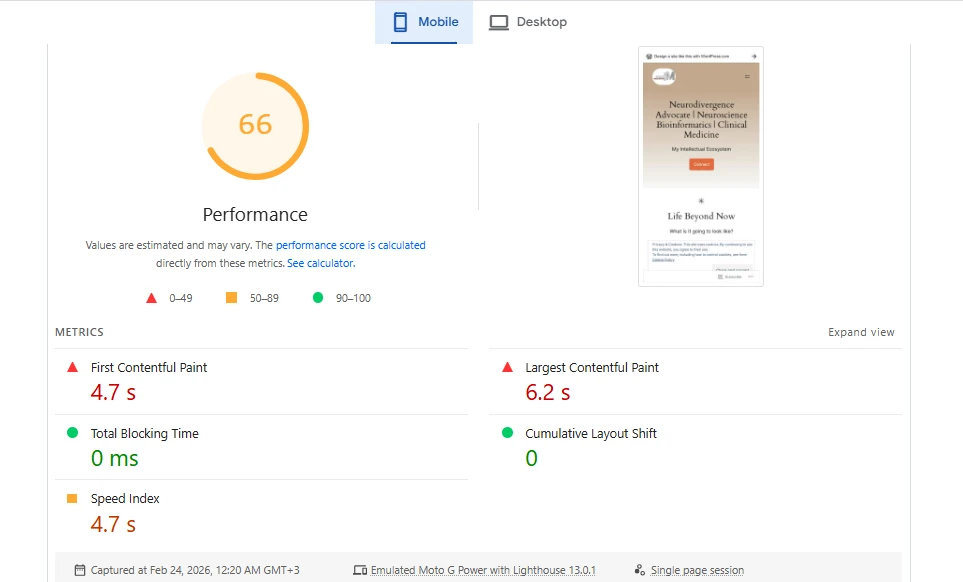
For instance, I generated the above image from Google PageSpeed Insights of a website I’m building, and the speed on mobile was 4.7 seconds, far from the 0.9 seconds it scored on desktop.
Now, Google favors fast mobile experiences, and your customers expect pages to open instantly.
And from my experiment, you can see how mobile speed can be dramatic, meaning you need to be intentional about it.
Again, sites slow down after adding heavier images, more plugins, or simply attracting more traffic than before.
2) Then there are traffic spikes.
A social media mention, a flash sale, or a holiday rush.
These moments should feel like wins, but on shared hosting, sudden surges can overload server resources.
The worst part? Your site can crash at the exact moment people are ready to buy.
3) Resource limit warnings are another clue.
You start getting CPU or memory alerts. Your host temporarily throttles your performance.
If you’re running 40–50+ plugins or an active WooCommerce store with real transactions happening daily, shared hosting can start to feel stretched.
4) Security also becomes more important as your business grows.
In shared environments, websites coexist on the same server. While reputable hosts put protections in place, you’re still sharing space.
If you’re processing payments or storing customer data, isolated resources offer more peace of mind.
5) And sometimes it’s simply about control.
You may need higher email limits, custom configurations, better caching, or guaranteed performance for e-commerce.
At that point, a higher-tier plan or managed WordPress hosting makes practical sense.
For many growing Kenyan businesses in 2026, upgrading is all about stability.
Plans in the KES 1,000–3,000 range typically offer stronger performance, tighter security, and more consistent uptime. And if your website generates income or leads, it deserves infrastructure that supports that role.
How to Assess Your Own Needs: Quick 2026 Checklist
To make this simple, take a minute and answer these honestly:
- What’s your average monthly traffic?
(Under 25,000 visits? Shared hosting may still be fine.) - What type of site are you running?
(An informational blog is very different from a revenue-generating e-commerce store.) - How many plugins and themes are active?
(If you’re past 40, your site is working harder than you think.) - Have you noticed slowdowns or mobile errors recently?
- Is your website a serious income source or key marketing tool?
- What’s your hosting budget right now?
(Staying under KES 500, or ready to invest KES 1,000+ for stronger performance?)
If three or more of your answers point toward strain, it’s a sign your site is outgrowing basic hosting.
Upgrading before a major slowdown or crash protects your revenue, your rankings, and your reputation.
The goal is to move forward at the right time, before growing pains start costing you customers.
Upgrade Paths with Truehost
If you’ve realized your site is starting to stretch the limits of basic hosting, then it’s time to scale.
We’ve structured our plans so you can move up gradually, without rebuilding everything from scratch.
Upgrading with Shared Hosting Plans
If you just need a little more breathing room, WebHosting Pro is usually the next comfortable step. At around KES 394 per month on a triennial plan, you get 50 GB SSD storage and support for roughly 50,000 visits.
The environment feels the same, with the same dashboard and the same ease of use, just with more capacity to handle growth.
If you’re managing multiple websites or running a busy online store, WebHosting Unlimited offers even more flexibility.
At around KES 1,632 per month (triennial), you get unmetered storage and the ability to host unlimited sites.
It’s a solid option for agencies, entrepreneurs juggling several projects, or e-commerce stores that can’t afford slowdowns.
Upgrading with VPS Hosting Plans
Then there’s the step into VPS hosting.
Our Kenya Cloud VPS plans start from around KES 1,400 per month on a triennial plan.
Here, you’re no longer sharing critical resources.
You get a dedicated CPU and RAM, full root access, SSD or NVMe storage, a free dedicated IP, and Nairobi-based data centers for strong local performance.
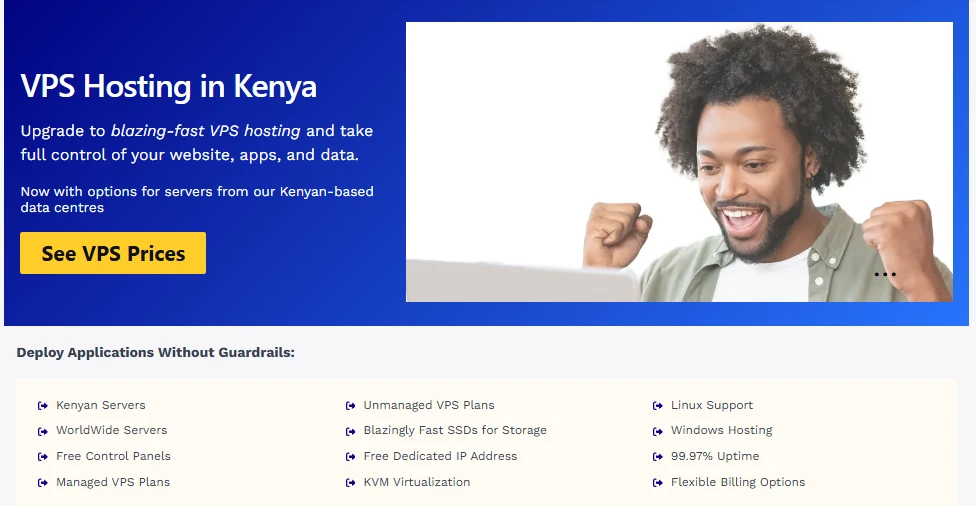
For serious WooCommerce stores or high-traffic platforms, this level of control makes a noticeable difference.
And here’s something important: we handle migrations for free.
You don’t need to shut down your site or risk losing sales during the transition. We move everything carefully so your business keeps running.
Because our servers are local, you also benefit from faster loading for visitors in Kisumu, Nairobi, and across Kenya, plus compliance with local data regulations.
Wrapping It Up: Is Basic Hosting Enough for You?
The real answer depends on your current stage and your plans for the next year or two.
If your site is simple, traffic is modest, and performance feels steady, basic hosting is still a smart and cost-effective choice in 2026.
The Starter plan delivers excellent value for small and growing websites.
But if you’re noticing slow pages, preparing for e-commerce expansion, or relying on your website as a major source of income, it’s worth strengthening your foundation.
When you upgrade, you’re protecting your momentum, and the best time to upgrade is before a crash, not after one.
If you’d like to compare plans or see what fits your current needs, visit our hosting page or explore our VPS options.
And if you’re unsure, just reach out. Our team is available 24/7 to help you choose wisely.
Let’s make sure your website is ready for a strong, stable 2026.