 Domain SearchInstantly check and register your preferred domain name
 Web Hosting
 cPanel HostingHosting powered by cPanel (Most user friendly)
 WordPress HostingHost your WordPress website with fast, secure, and affordable WordPress hosting in Kenya.
 KE Domains
 Reseller HostingStart your own hosting business without tech hustles
 Windows HostingOptimized for Windows-based applications and sites.
 Free Domain
 Affiliate ProgramEarn commissions by referring customers to our platforms
 Free HostingTest our SSD Hosting for free, for life (1GB storage)
 Domain TransferMove your domain to us with zero downtime and full control
 All DomainsBrowse and register domain extensions from around the world
 .Com Domain
 WhoisLook up domain ownership, expiry dates, and registrar information
 VPS Hosting
 Managed VPSNon techy? Opt for fully managed VPS server
 Dedicated ServersEnjoy unmatched power and control with your own physical server.
 Website Builder
 Online Store BuilderLaunch a professional e-commerce store without writing code.
 Web Design ServiceGet a custom-designed website tailored to your brand and goals. From just KES 15,600
 BlogRead our guides on web hosting, online business, digital marketing, and more
 SupportOur support guides cover everything you need to know about our services
 ContactContact us via chat or email
Running a website comes with a lot of moving parts, and domain ownership is one area that can quietly turn into a serious problem if you’re not careful.
Truth is, domain disputes happen more often than you’d expect, and they don’t just affect big companies.
Small businesses, startups, and personal brands are all targets.
Some disputes are obvious, others are subtle, but all of them can cost you traffic, credibility, and even control of your brand online.
Let me walk you through the most common types of domain disputes so you know exactly what to watch for and how to stay ahead of them.
The 9 Types of Domain Disputes
Type 1: Cybersquatting
Cybersquatting is when someone registers a domain name that matches, or closely resembles, your brand or trademark with bad intentions.
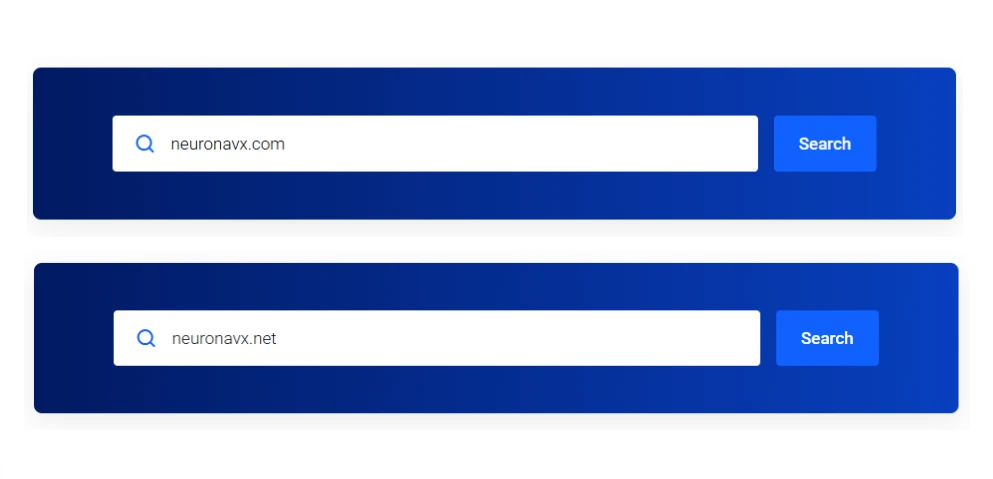
Usually, the goal is to sell it back to you at an inflated price or use it in a way that benefits them unfairly.
In this case, someone spots your business name, product, or idea early on and quickly registers the domain before you do.
Once your brand starts gaining attention, they approach you asking for a high payout to release the domain. In other cases, they may use the domain to host ads, redirect traffic, or mislead your audience.
This creates confusion for your customers and can make your business look unprofessional or even untrustworthy.
To prevent this:
- Register your domain name as early as possible
- Secure multiple extensions (like
.com,.net,.org) - Consider registering your brand name even before launching publicly
- Keep your domain renewals up-to-date to avoid losing ownership
Type 2: Typosquatting
Typosquatting happens when someone registers a domain that is a slight misspelling of your original domain name.
The aim is to capture visitors who make small typing errors.
Here, a domain like yourbrand.com could easily be mimicked as yorbrand.com or yourbrnad.com. These small variations are hard to notice, especially on mobile devices.
When users land on these fake sites, they might see ads, be redirected elsewhere, or even be tricked into sharing sensitive information.
Over time, this can quietly drain your traffic and damage your reputation.
Tips for prevention include:
- Register common misspellings of your domain
- Keep your primary domain simple and easy to type
- Monitor similar domain registrations regularly
- Use SSL certificates and clear branding so users can recognize your official site
Type 3: Reverse Domain Name Hijacking (RDNH)
RDNH happens when a company, often a larger or more established one, tries to take a domain from its rightful owner by making aggressive or misleading legal claims, even when the current owner obtained and uses the domain legitimately.
Instead of negotiating or choosing a different name, the complaining party files a dispute, claiming trademark rights they may not fully have.
The goal is to pressure the domain owner into giving up the domain, sometimes simply because they lack the time or resources to fight back.
This can be especially frustrating for startups or independent creators who registered their domain fairly and built something around it.
Prevention tips:
- Register your domain early, before your brand gains traction
- Keep clear records showing when and how you started using the domain
- Avoid using names that could conflict with well-known trademarks
- Be prepared to demonstrate legitimate use if a dispute arises
Type 4: Domain Name Warehousing and Expired-Domain Hijacking
Domain warehousing and expired-domain hijacking both involve taking advantage of domains that are no longer actively managed.
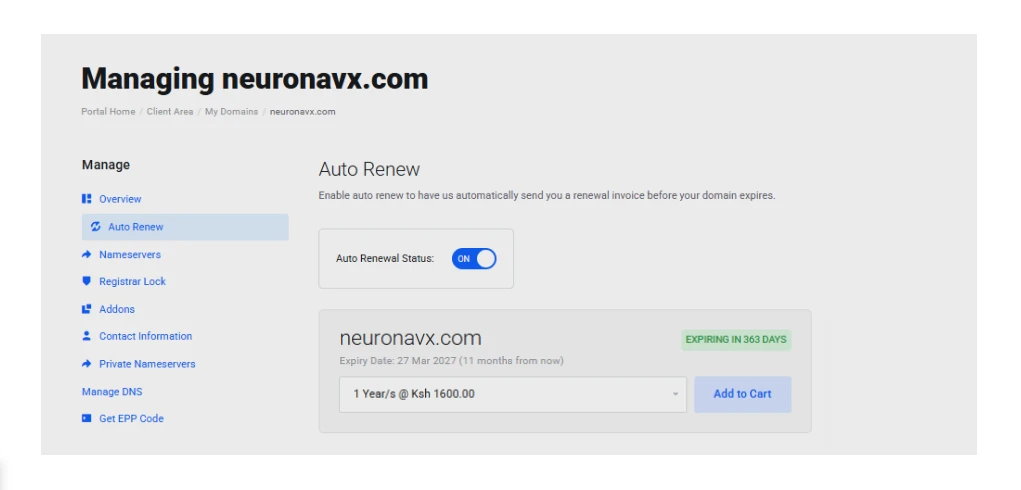
This can happen when a registrar holds onto expired domains instead of releasing them or when third parties quickly grab them the moment they expire.
Normally, if a domain isn’t renewed on time, it may enter an expiration cycle.
During this period, some registrars or opportunistic buyers step in to secure the domain. They may keep it for resale, redirect its traffic, or use its existing SEO value for profit.
For a business, losing a domain this way can be more than an inconvenience.
It can mean lost emails, broken websites, and a sudden drop in search visibility.
To make sure this doesn’t happen:
- Turn on auto-renew for all your domains
- Keep your payment details up-to-date
- Set reminders well before your renewal date
- Work with a registrar that sends clear renewal notifications
Type 5: Employee, Ex-Employee, or Partner Disputes
These disputes arise when someone inside your business, either an employee, developer, contractor, or partner, registers your domain under their personal name instead of the company’s.
At the start, it may seem convenient to let a developer or team member handle domain registration.
Problems begin when relationships change. If that person controls the domain and refuses to transfer it, your business can lose access to its website and email systems.
This situation is more common than most people expect, especially in growing businesses where roles and responsibilities aren’t clearly defined early on.
To avoid this:
- Always register domains in the company’s official name
- Use a shared company account rather than a personal one
- Keep login credentials documented and accessible to trusted team members
- Review ownership details regularly, especially after team changes
Type 6: Passing Off
Passing off happens when a domain is used to make people believe a website is connected to your business when it’s not. It relies on imitation to benefit from your reputation.
In this case, a domain is registered using a name that closely resembles your brand. The website may copy your branding, tone, or even product style to appear legitimate.
Visitors assume they’re dealing with your business, which can lead to lost sales, confused customers, and damage to your credibility.
This is especially risky in competitive industries where customers are making quick decisions online.
Tips to avoid passing off:
- Secure your exact brand name as early as possible
- Register key variations of your domain
- Keep your branding consistent and recognizable across platforms
- Monitor similar domains that may try to imitate your business
Type 7: Domain Tasting/Kiting (Grace Period Violations)
Domain tasting or kiting involves exploiting the short grace period after registering a domain by repeatedly registering and deleting domain names within the five-day “Add Grace Period” (AGP) allowed by ICANN to avoid paying registration fees.
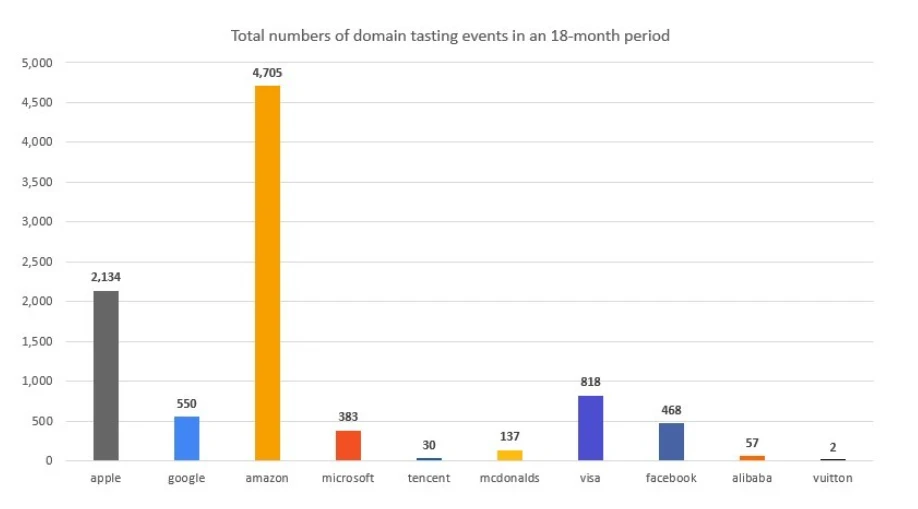
During this window, a domain can be tested and then dropped without full payment.
Someone registers a domain, quickly checks if it gets traffic or can generate ad revenue, and then deletes it before the grace period ends if it’s not valuable.
This process can be repeated multiple times, temporarily blocking others from registering the same name.
While each attempt is short-lived, it can make it harder for legitimate users to secure a domain they want.
So to prevent it:
- Act quickly when you find a domain you want
- Avoid delaying registration once you’ve decided on a name
- Monitor availability regularly if a domain you want is taken temporarily
- Choose a registrar that processes registrations quickly and reliably
Type 8: Criticism or “Gripe” Sites
Gripe sites are domains created to criticize or complain about a brand, often using variations of the brand name combined with negative terms.
Here, a domain might include your brand name along with words like “complaints,” “scam,” or similar terms.
These sites are used to publish negative opinions or experiences.
In some cases, they are legitimate expressions of dissatisfaction; in others, they may exaggerate or mislead.
Because these domains can appear in search results, they can influence how people perceive your business before they even reach your official site.
To avoid this:
- Register key variations of your domain, including common negative add-ons
- Maintain strong customer service to reduce the likelihood of public complaints
- Monitor your brand mentions online and respond where appropriate
- Build a strong online presence so your official site ranks above such pages
Type 9: Competitor Squatting
Competitor squatting occurs when a rival business registers a domain related to your brand, product, or services to gain an advantage.
A competitor may secure a domain that includes your brand name or a close variation and use it to redirect visitors, run ads, or promote their own offerings.
This can divert potential customers and create confusion in the market.
In industries where competition is tight, even a small shift in traffic can have a noticeable impact on sales.
Tips for prevention:
- Register your brand name across multiple domain extensions
- Secure domains related to your key products or services
- Keep an eye on new domain registrations that resemble your brand
- Take action early if you notice suspicious activity
Conclusion
By now, you’ve seen how domain disputes can come from many different angles.
Some involve outsiders trying to profit from your brand, while others come from internal oversights or simple delays.
But getting your domain sorted doesn’t have to be complicated or expensive.
With Truehost, you can register your domain quickly, pay easily via M-Pesa, and manage everything with local support you can actually reach.
The most important step is taking action before someone else registers your name.
Your domain is the foundation of your online presence.
So secure it early, keep it protected, and you won’t have to deal with most of these disputes.