 Domain SearchInstantly check and register your preferred domain name
 Web Hosting
 cPanel HostingHosting powered by cPanel (Most user friendly)
 WordPress HostingHost your WordPress website with fast, secure, and affordable WordPress hosting in Kenya.
 KE Domains
 Reseller HostingStart your own hosting business without tech hustles
 Windows HostingOptimized for Windows-based applications and sites.
 Free Domain
 Affiliate ProgramEarn commissions by referring customers to our platforms
 Free HostingTest our SSD Hosting for free, for life (1GB storage)
 Domain TransferMove your domain to us with zero downtime and full control
 All DomainsBrowse and register domain extensions from around the world
 .Com Domain
 WhoisLook up domain ownership, expiry dates, and registrar information
 VPS Hosting
 Managed VPSNon techy? Opt for fully managed VPS server
 Dedicated ServersEnjoy unmatched power and control with your own physical server.
 Website Builder
 Online Store BuilderLaunch a professional e-commerce store without writing code.
 Web Design ServiceGet a custom-designed website tailored to your brand and goals. From just KES 15,600
 BlogRead our guides on web hosting, online business, digital marketing, and more
 SupportOur support guides cover everything you need to know about our services
 ContactContact us via chat or email
‘Static vs Dynamic IP Address’, sounds a bit like a tech showdown, right? Don’t worry, you’re not about to sit through a boring lecture.
Think of it more like choosing between having a permanent home address or using a flexible Airbnb: both get you where you need to go, but in totally different ways.
Understanding the difference can actually save you headaches, and maybe even money.
Now, if you’ve ever had your Nairobi-based online shop vanish from customers’ screens right when orders were pouring in, that’s the chaos a mismatched IP setup can unleash.
Getting it wrong means lost sales and frustrated users.
In this guide, I’ll be showing you the real differences, pros, cons, and how to pick the right one for your needs.
Here’s what we’ll cover:
- The basics of dynamic IPs
- The basics of Static IPs
- A head-to-head breakdown
- Decision tips tailored to your setup
- How Truehost delivers both options affordably
So grab a cup of tea and let’s break it down in a simple, friendly way.
What is a Dynamic IP Address?
A dynamic IP address could be demonstrated like the seat you grab in a matatu, you sit wherever’s free, but you probably won’t get the same spot next time.
That’s basically how your ISP treats your connection.

A dynamic IP is a temporary internet address your provider (like Safaricom or Zuku) assigns automatically.
It can change whenever you restart your router, switch networks, or just because the ISP decides to shuffle things around using a system called DHCP.
It’s cheap, flexible, and perfect when you’re hopping between home Wi-Fi, mobile data, and that café in Westlands.
For most small creators and side hustlers like bloggers, freelancers, or sellers on Facebook Marketplace it works just fine.
You don’t pay extra, and you don’t have to configure anything.
But those constant IP changes can get annoying fast.
Your email campaigns might land in spam because you’re sharing an address with who-knows-who.
Remote access tools can drop mid-session.
And if you’re running a growing ecommerce site or accepting M-Pesa payments, switching IPs at the wrong moment can break logins or even cause failed checkouts.
Quick Pros:
- Budget-friendly (usually free with your plan)
- Zero setup needed
- Great for low-traffic sites or personal projects
Quick Cons:
- Unpredictable—connections can drop or reset
- Shared pools = higher security risks
- Bad for SEO and consistent performance
If you’re experimenting or running something small, a dynamic IP is fine.
But for serious, stable online work? You’ll want something more reliable.
What is a Static IP Address?
Now flip the script.
In this case, you’re running a small clinic in Thika, and patients book appointments through your website.
The last thing you need is your connection changing randomly and knocking your site offline.
So, static IP address comes in as your fixed, unchanging digital address.
Unlike a dynamic IP, a static IP stays the same every day.
Your host or ISP assigns it manually, and once it’s set, it doesn’t move.
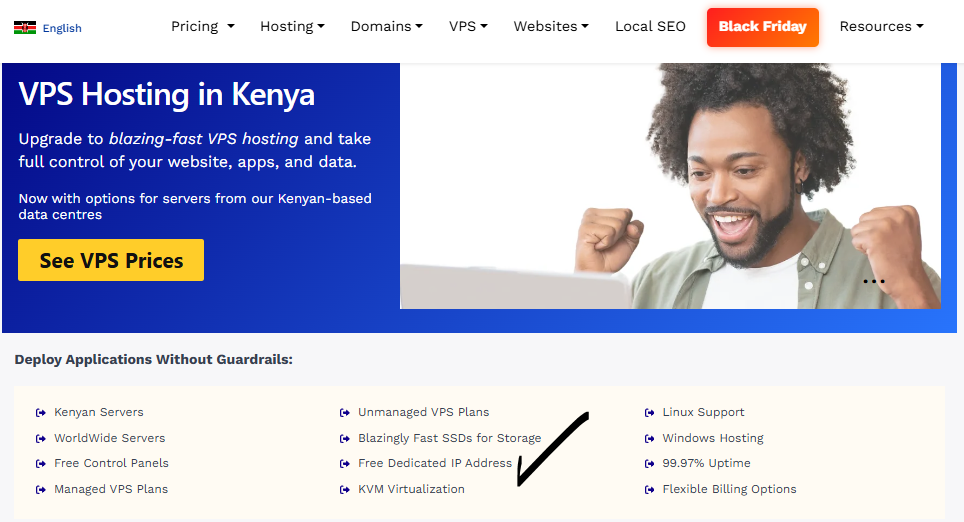
Providers like Truehost usually offer static IPs on VPS or dedicated plans, giving your website or server a stable point people (and systems) can always reach.
That kind of reliability is everything, especially now that millions of Kenyans rely on online services.
Static IPs are ideal for things like:
- Email servers (less chance of being blacklisted)
- VPNs for remote teams
- E-commerce sites handling payments like M-Pesa
- Anything that needs consistent, secure access
It also boosts security since you can whitelist your IP and block everyone else.
And since Google loves consistency, it can even help your SEO.
Of course, there are trade-offs: static IPs cost more, and they’re not ideal if you’re constantly on the move.
But if your website is mission-critical a static IP can be the rock that keeps everything steady.
In short: If uptime, security, and trust matter to your business, a static IP is your anchor.
Key Differences: Static vs Dynamic IP Address
Alright, now that you’ve wrapped your head around the basics, let’s put static vs dynamic IP address side by side in a way that actually makes sense for your real Kenyan grind.
1) Assignment
Static IP – Your Permanent Spot
Think of a static IP like having your own reserved parking slot, where your name is literally on it.
Your host or ISP assigns it manually, and it stays yours for as long as you pay for it.
No hopping around, no surprises.
For businesses that need consistency, like a Mombasa tour company running live bookings, it’s a lifesaver.
Nothing disrupts a reservation faster than the system losing track of you mid-session.
Dynamic IP – First Come, First Served
A dynamic IP is more like queueing for a boda-boda.
You get whatever’s available, and if you leave, someone else takes your spot.
Your ISP rotates these constantly using DHCP, which keeps things cheap but unpredictable.
Perfect for personal browsing or a small WordPress blog, less perfect for serious systems.
2) Cost
Static IP – Premium but Worth It
Static IPs usually cost more, around KSh 999–2,000/month depending on your provider.
But if your revenue depends on stable access, it’s money well spent.
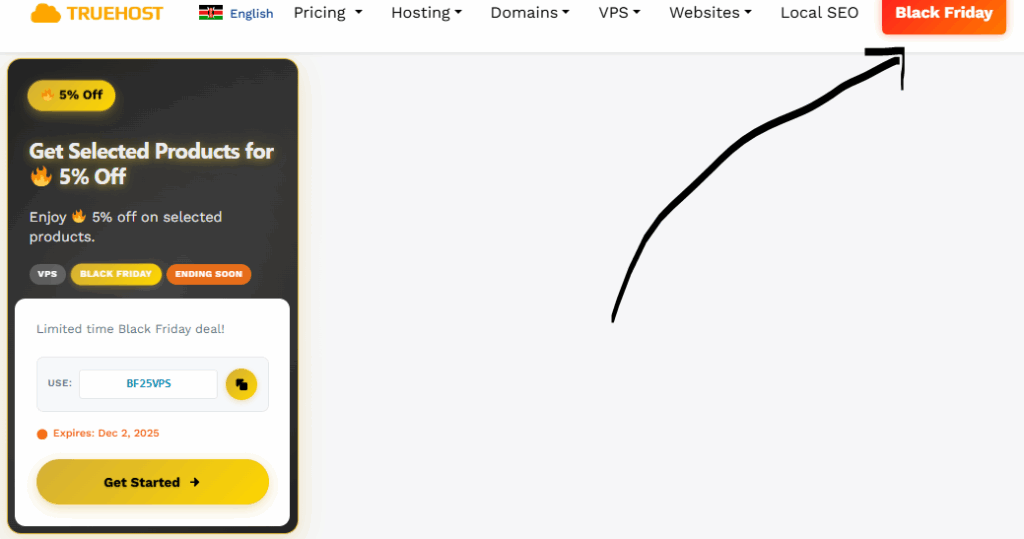
You could get it for free though, with Truehost’s VPS hosting bundle.
Big platforms like Jumia use static IP setups to survive Black Friday chaos without melting down.
Dynamic IP – Budget-Friendly
Dynamic IPs often come free with shared hosting or home internet.
Truehost’s shared plans, for example, start as low as KSh 188/month, making them perfect if you’re just testing waters or building a simple portfolio site.
3) Use Cases
Static IP – Built for Business
Use it for:
- Servers
- VPNs
- Email hosting
- E-commerce backends
- Anything with sensitive data
Think of Dr. Mwangi’s telehealth clinic in Thika.
A static IP keeps logins stable and patient data flowing securely—no mid-consultation drops.
Dynamic IP – Casual and Flexible
Use it for:
- Home browsing
- Blogs
- Side-hustle websites
- Test environments
Great if your traffic is light and your site doesn’t handle sensitive processes.
4) Security
Static IP – Your Digital Fortress
Because it’s yours alone, you can whitelist it in firewalls, lock down admin panels, and build layers of protection that shared environments struggle to match.
During Kenya’s 2025 cyberattack spikes, companies with static IP–based security, like major banks, dodged a lot of the chaos.
Dynamic IP – Shared and Slightly Risky
Sharing IP pools means you also share reputation.
One shady spammer can get the pool blacklisted, and suddenly your emails land in spam too.
It’s not “unsafe,” but it’s definitely less controlled.
5) Performance
Static IP – Consistent and Reliable
Static setups slash downtime because your server is easy to find, and no digital guessing.
Hosting benchmarks show sites on static IPs see up to 40% fewer outages.
For Kenyan businesses, especially with 83.5% of traffic coming from mobile, consistency is everything.
Dynamic IP – Can Be Hit or Miss
Dynamic IPs work well for normal browsing, but under heavy load, changes can cause temporary drops.
A great match for personal sites, and not for mission-critical platforms.
6) SEO Impact
Static IP – SEO-Friendly
Search engines love consistency.
A fixed IP gives Google clean, stable signals.
If you’re aiming to rank for searches like “Nairobi plumber” or “Mombasa tours,” a static IP can give you a tiny but meaningful boost.
Dynamic IP – Neutral at Best
Your SEO won’t tank, but fluctuating IPs can cause minor indexing hiccups, especially on new sites.
Want help deciding which is right for your site? I can help you pick the perfect setup.
When to Choose Static vs Dynamic IP Address in Kenya
So now that you know the differences, how do you actually decide what you need?
Kenya’s internet isn’t exactly predictable—one minute you’re on fast fiber, the next there’s an outage in Eldoret or Safaricom’s 5G is teasing you again.

So the real question becomes: What are you running, how much traffic do you get, and what’s your risk tolerance?
Go Dynamic If…
You’re building small, learning the ropes, or trying to save some cash.
If you’re a Kisumu-based artisan selling on Etsy and your website barely passes 500 visits a month, a dynamic IP is perfectly fine.
It’s free, flexible, and keeps your hosting bill light.
You get to stay mobile, switching between home Wi-Fi, mobile data, and random hotspots without worrying about configurations.
Just one caveat: if your business relies heavily on email for newsletters, client updates, booking confirmations, dynamic IPs can be a gamble.
Shared IP pools get blacklisted more often in Kenya, and your emails may quietly vanish into spam.
Pick Static If…
Running an e-commerce site out of Thika—like merch, beauty products, or an online boutique?
A static IP locks your site to one address, so you never suffer those annoying IP flips that interrupt payments or break logins.
Local benchmarks show small businesses lose an average of KSh 50,000 a year to issues linked to changing IPs.
Static helps you dodge that mess entirely.
Static also plays nicely with Kenya’s digital environment:
- KENIC prefers stable setups for .ke domains
- Rural e-commerce (now at 60% of national sales) benefits from fewer mobile-data dropouts
- And with COMESA projecting US$50B in e-commerce by 2030, a static IP gets you ready for AI tools and integrations that require fixed, secure endpoints
If reliability is part of your brand, static is the way to go.
How to Switch (Without Breaking Your Site)
Don’t worry, moving from dynamic to static is easy. Here’s the zero-downtime path:
- Audit your site using tools like GTmetrix to spot any IP-related issues.
- Backup everything from your cPanel or hosting dashboard.
- Talk to your host—Truehost’s 24/7 chat is great for this.
- Get your static IP assigned, then update your DNS (usually live within 1–4 hours).
- Test with real Kenyan users, especially those on mobile data or M-Pesa flows.
Wrapping It Up
Static vs dynamic IP address boils down to this: Dynamic for flexible starts, static for unbreakable growth.
In Kenya’s 2025 surge you can’t afford flips.
And also, match your choice to your goals.
Don’t just guess, audit today. Truehost makes it easy: Grab a plan with your preferred IP, M-Pesa checkout, and that 99.9% uptime promise.
Head to truehost.co.ke for a black friday offer of 20% off. Your site’s next level awaits, what’s holding you back?