 Domain SearchInstantly check and register your preferred domain name
 Web Hosting
 cPanel HostingHosting powered by cPanel (Most user friendly)
 WordPress HostingHost your WordPress website with fast, secure, and affordable WordPress hosting in Kenya.
 KE Domains
 Reseller HostingStart your own hosting business without tech hustles
 Windows HostingOptimized for Windows-based applications and sites.
 Free Domain
 Affiliate ProgramEarn commissions by referring customers to our platforms
 Free HostingTest our SSD Hosting for free, for life (1GB storage)
 Domain TransferMove your domain to us with zero downtime and full control
 All DomainsBrowse and register domain extensions from around the world
 .Com Domain
 WhoisLook up domain ownership, expiry dates, and registrar information
 VPS Hosting
 Managed VPSNon techy? Opt for fully managed VPS server
 Dedicated ServersEnjoy unmatched power and control with your own physical server.
 Website Builder
 Online Store BuilderLaunch a professional e-commerce store without writing code.
 Web Design ServiceGet a custom-designed website tailored to your brand and goals. From just KES 15,600
 BlogRead our guides on web hosting, online business, digital marketing, and more
 SupportOur support guides cover everything you need to know about our services
 ContactContact us via chat or email
There comes a point when a piece of technology stops feeling impressive and starts becoming genuinely useful. For many people, that moment wasn’t when AI learned how to write an email. It was when AI could manage the entire process around that email.
An inbox gets sorted, urgent messages are flagged, meetings are scheduled, project boards are updated, and follow-ups are sent automatically. That’s the difference between generative AI and agentic AI.
Traditional chatbots are excellent at producing content. Ask one to draft an email, and it will likely do a good job. But once the email is written, the work stops. It can’t send the message, check whether the recipient has replied, update a task in your project management tool, or notify the team that a decision is still pending. It understands the request, but it can’t carry it through.
The reality is that work rarely happens in a single application. Most tasks involve a mix of email, calendars, documents, project boards, chat platforms, databases, and web applications. Answering questions is only a small part of the process.
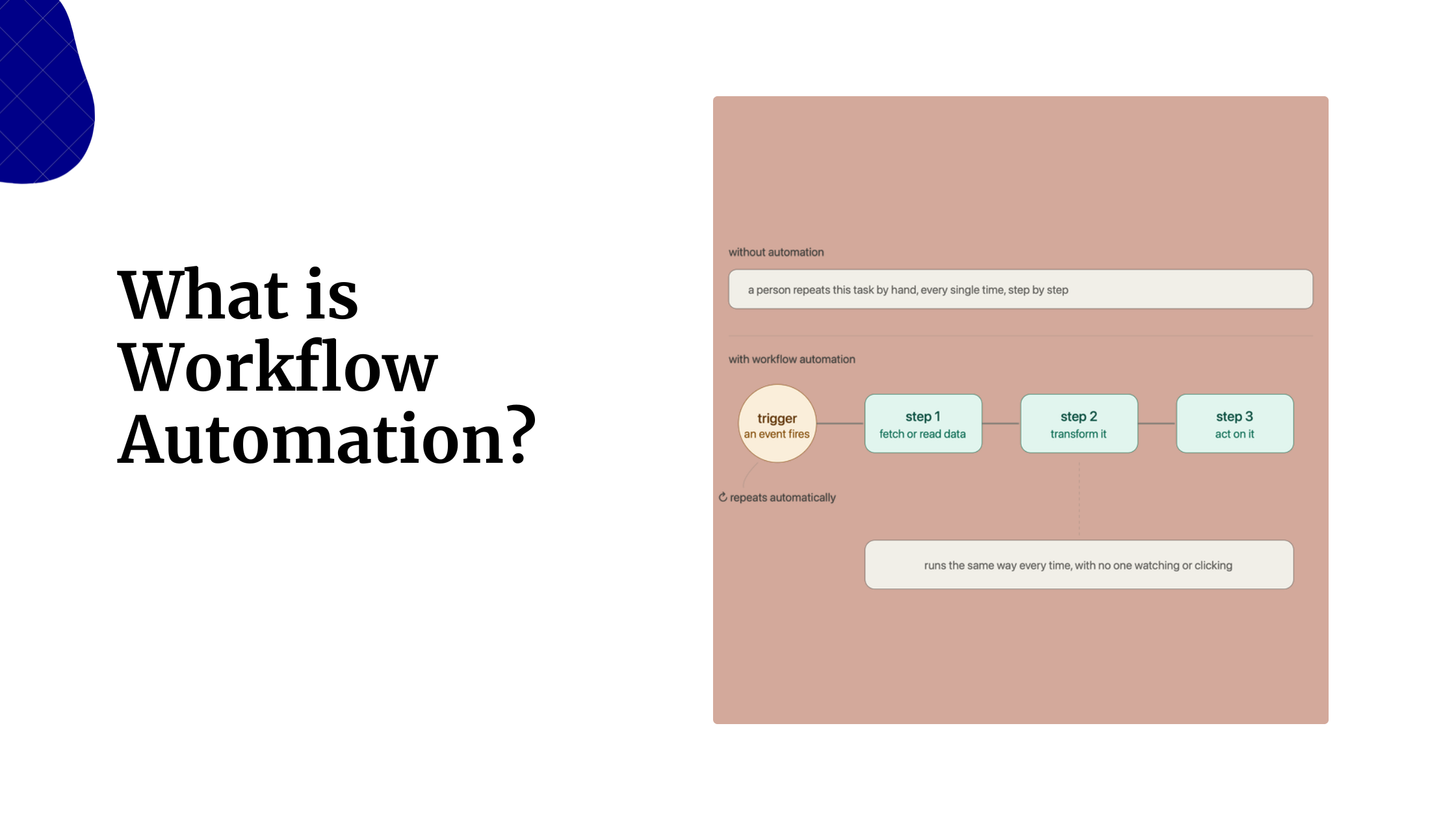
Agentic AI is designed to operate across that entire workflow. Instead of simply responding to prompts, AI agents can understand goals, make plans, use tools, take actions, and adapt when circumstances change.
For example, a request to prepare a competitive analysis for an upcoming strategy meeting can trigger an AI agent to gather information from the web, review internal documents, organize the findings, create a report, and save it in the appropriate location. The goal is no longer just generating content; it’s completing the task from start to finish.
What makes this possible is the combination of several capabilities working together: memory to maintain context, tools that connect to real-world systems, planning to break goals into manageable steps, and feedback mechanisms that help the agent recover when something doesn’t go as expected.
Frameworks like OpenClaw make this level of automation possible. As an open-source and self-hostable agent framework, OpenClaw is built for the kind of multi-step, cross-system workflows that conversational AI was never designed to handle, helping businesses move from simple AI conversations to real-world execution.
Six Applications That Are Already Running
These aren’t hypothetical deployments. They represent categories of work actively being automated on frameworks like OpenClaw right now.
1) Running a Personal Executive Assistant That Never Sleeps
The challenge: For most professionals, the executive assistant role doesn’t exist, or exists only partially. Inbox management, calendar coordination, bill tracking, and routine online tasks eat two or more hours every morning before real work begins.
How OpenClaw helps: A personal assistant agent:
- Monitors your inbox and applies priority logic
- Separating client escalations from newsletters
- Drafting responses to routine messages
- Creating calendar events from meeting requests
- Flagging scheduling conflicts
- Tracking recurring bills and automatically handling tasks like travel check-ins.
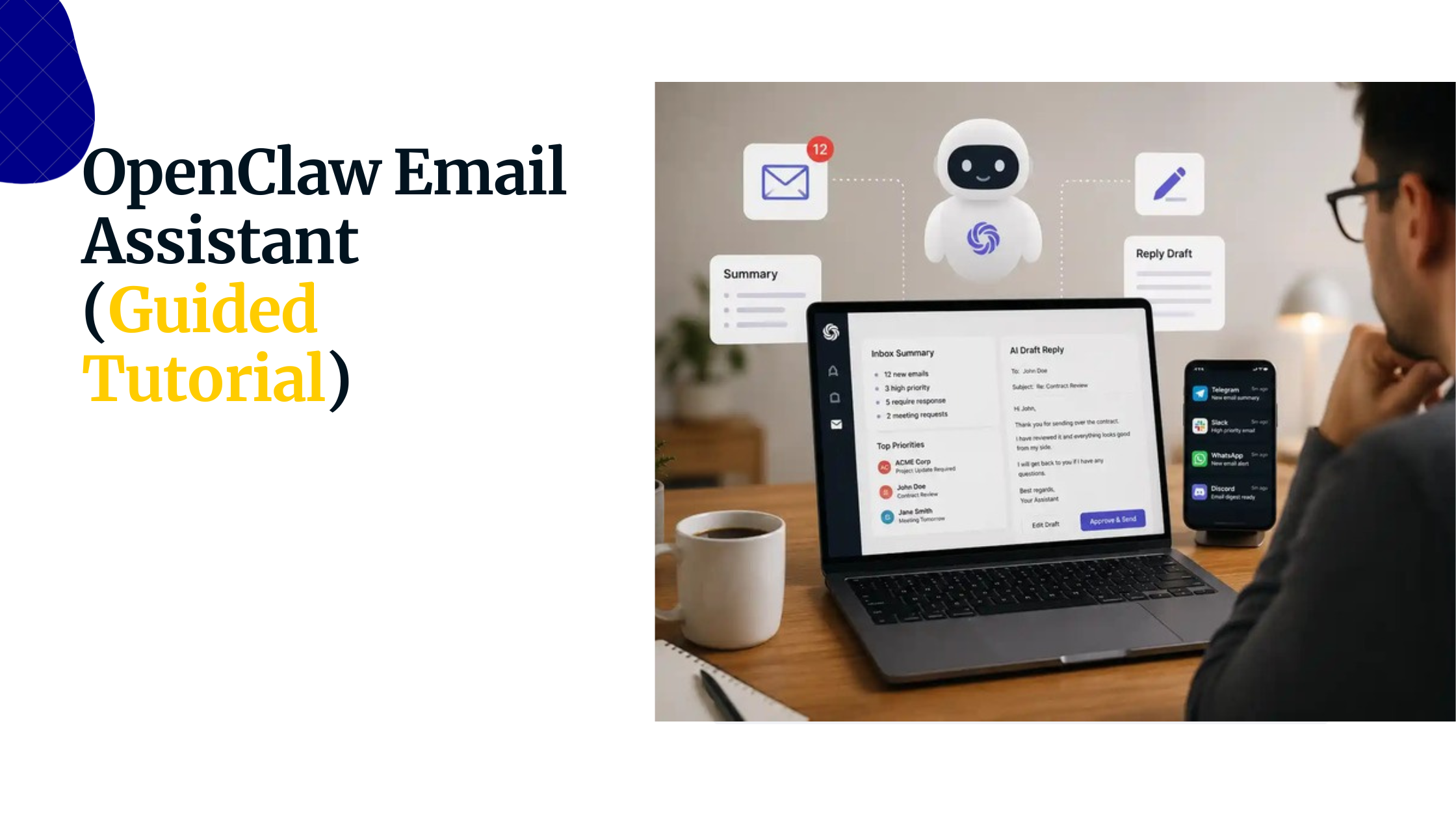
Example workflow: A freelance consultant receiving fifty client emails a day wakes up to a morning briefing the agent has already prepared: urgent messages surfaced, routine replies drafted, calendar updated, and one subscription flagged for renewal.
She reviews and approves in twenty minutes instead of processing everything from scratch.
Result: Less time on administration. More time on the work that actually requires her.
2) Automating Software Deployment Monitoring for Development Teams
The challenge: When a production deployment fails at 3 a.m., the window between failure and response costs in downtime, customer trust, and developer sleep.
The problem isn’t that no one cares; it’s that humans are finite and asleep.
How OpenClaw helps: A deployment monitoring agent:
- Watches CI/CD pipelines around the clock
- Detects failed builds or anomalous error rates
- Collects and analyzes the relevant logs
- Identifies the probable cause
- Creates a ticket and posts a structured summary to the team’s communication channel before an engineer even opens their laptop.
Example workflow: A SaaS startup’s deployment fails at 2 a.m. By the time the on-call engineer sees the alert at 7 a.m., there’s already a Slack message summarizing the failure, the likely root cause, and the relevant log lines, with a Jira ticket already open.
Result: Faster incident response, less cognitive scrambling, and engineers who start from a situation assessment rather than a blank slate.
3) Turning Research Requests Into Finished Business Reports
The challenge: Gathering information from multiple sources, synthesizing it, and producing something presentation-ready takes hours.
Human researchers move sequentially; attention fatigues; synthesis is constrained by working memory.
How OpenClaw helps: A research agent:
- Searches multiple sources simultaneously
- Evaluates relevance
- Extracts key data points and begins organizing findings while still searching.
It works in parallel across web sources, internal documents, and databases, and delivers a structured report with citations, comparisons, and recommendations.
Example workflow: A marketing manager asks for a competitive analysis of AI product launches from the past quarter.
The agent searches recent announcements, compares pricing and positioning across competitors, and returns a formatted report with strategic recommendations, ready for the Thursday strategy meeting.
Result: Research that previously took half a day is done in minutes, with the manager’s time spent reviewing and deciding rather than gathering and organizing.
4) Managing Internal Operations for a Growing Company
The challenge: The gap between what gets decided in a meeting and what gets updated in the systems that track work is one of the most reliable productivity leaks in any organization. Action items live in someone’s notebook.
The project board falls days behind. Documentation is never quite current.
How OpenClaw helps: An operations agent:
- Processes meeting transcripts or notes
- Identifies action items and owners
- Creates tasks in the relevant project management tool
- Updates documentation and sends personalized follow-ups to each team member, all within minutes of the meeting ending.
Example workflow: A weekly leadership meeting wraps up. Before anyone has closed their laptop, the agent has created tasks in Jira, updated the project documentation, and sent each attendee a short message summarizing what they’re responsible for next.
Result: Systems stay current in near real-time, teams operate more reliably across time zones and async schedules, and nobody has to “just circle back” on what was actually decided.
5) Supporting Administrative Workflows in Healthcare Organizations
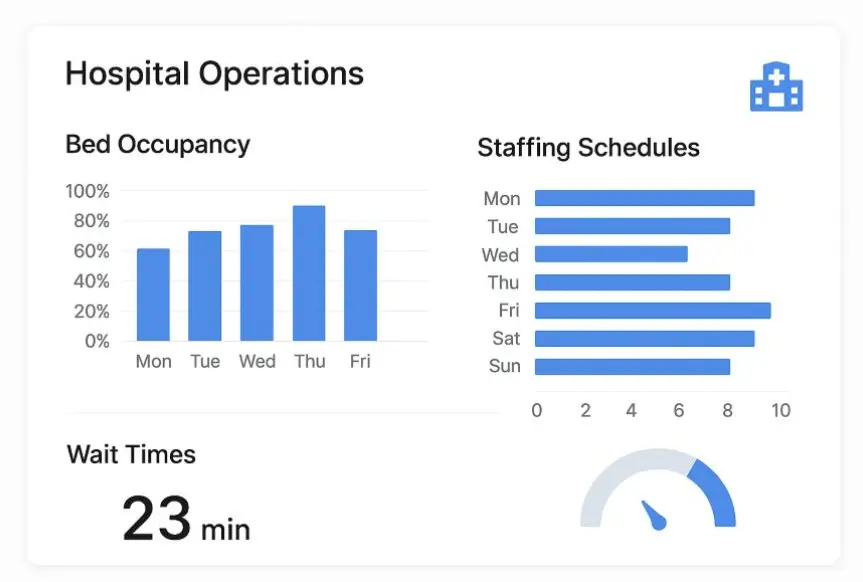
The challenge: Healthcare staff spend a disproportionate amount of their day on documentation, scheduling coordination, and information retrieval, time that isn’t being spent on patients.
The administrative layer has been growing faster than the clinical layer for years, and it shows.
How OpenClaw helps: An agent:
- Manages internal documentation libraries
- Maintains up-to-date policy records
- Assists with scheduling workflows
- Retrieves protocol information on demand.
A staff member who needs to know the current procedure for a specific situation asks the agent and gets an accurate answer with a source link, in seconds, not fifteen minutes of navigation.
Example workflow: A clinic uses an OpenClaw agent to manage staff onboarding materials and coordinate scheduling requests between departments, keeping everything within its own infrastructure.
New staff get the right documents without anyone manually hunting them down.
Result: Administrative teams spend less time searching and more time on work that actually supports patient care. Compliance stays intact because data never leaves the organization’s own systems.
6) Coordinating Multiple AI Agents to Complete Complex Projects
The challenge: Large, multidimensional projects, competitive intelligence reports, product launches, and research publications require research, analysis, writing, and delivery across multiple systems.
A single agent trying to do all of it will do each part worse than a specialized one.
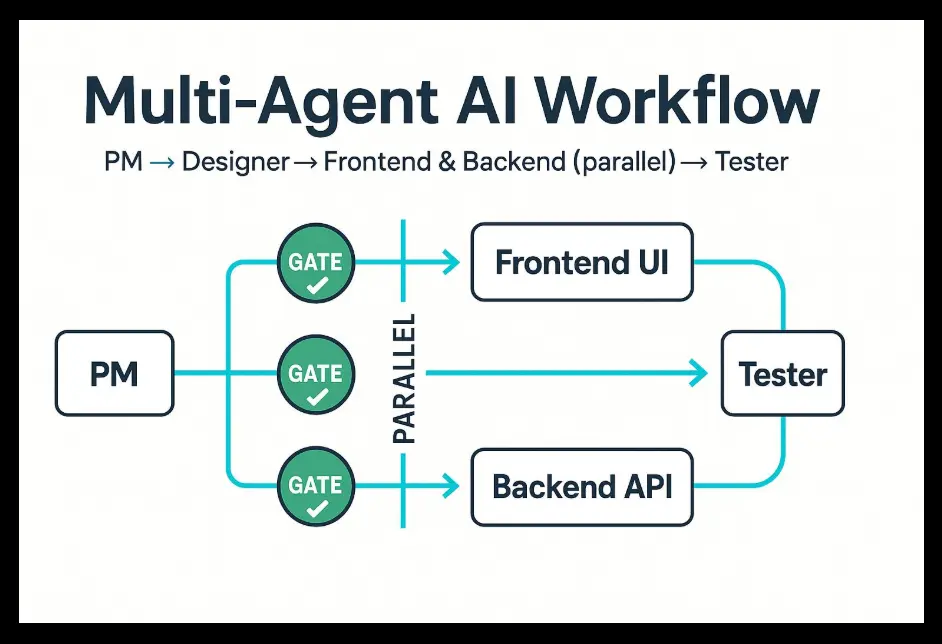
How OpenClaw helps: OpenClaw can orchestrate multiple agents working in sequence or parallel, each specialized for its function.
A research agent gathers raw information, an analysis agent interprets it, a writing agent drafts the output, and a delivery agent places it in the right system.
The framework manages context, dependencies, and handoffs between them.
Example workflow: A team needs a detailed market report. One agent gathers research, a second analyzes the data and identifies patterns, a third drafts the report, and a fourth publishes it to the internal knowledge base.
Human reviewers check the output at each stage before it moves forward.
Result: Workflows that previously required multiple people and days of coordination run through a single orchestrated process, with humans directing strategy and approving outputs, not managing logistics.
From AI Possibilities to Real-World Deployment
The six examples above aren’t a glimpse of what’s coming; they’re a description of what’s already running.
And beneath all of them is the same structural shift: AI is getting exceptionally good at execution, which means human value is concentrating where it always mattered most, defining the right problems and making the right calls.
Gartner places 2026 at the “task-specific agents” stage of a maturity curve, with collaborative agents and cross-application ecosystems following before the end of the decade. By 2029, they project that half of all knowledge workers will be building and managing agents as a routine part of their work. The organizations that get there first won’t necessarily be the ones with the most powerful AI; they’ll be the ones that most clearly understand which parts of their work should be automated and which parts shouldn’t.
That distinction counts, and so does where these systems run. In December 2025, OWASP published the first formal taxonomy of risks specific to autonomous AI agents, covering goal hijacking, tool misuse, identity abuse, and memory poisoning. When an agent has access to your email, client data, and internal systems, data residency and access control stop being abstract concerns.
Self-hosting keeps that data within infrastructure you control, with audit logging, precise access scoping, and no dependency on a third-party vendor’s pricing or policy decisions.
OpenClaw provides the open-source foundation to deploy all of this on your own terms, inspectable, configurable, and built for production.
Ready to get started? A reliable VPS provides the foundation needed to deploy, manage, and scale AI applications with confidence.
Browse managed VPS hosting plans and choose one that fits your needs.