 Domain SearchInstantly check and register your preferred domain name
 Web Hosting
 cPanel HostingHosting powered by cPanel (Most user friendly)
 WordPress HostingHost your WordPress website with fast, secure, and affordable WordPress hosting in Kenya.
 KE Domains
 Reseller HostingStart your own hosting business without tech hustles
 Windows HostingOptimized for Windows-based applications and sites.
 Free Domain
 Affiliate ProgramEarn commissions by referring customers to our platforms
 Free HostingTest our SSD Hosting for free, for life (1GB storage)
 Domain TransferMove your domain to us with zero downtime and full control
 All DomainsBrowse and register domain extensions from around the world
 .Com Domain
 WhoisLook up domain ownership, expiry dates, and registrar information
 VPS Hosting
 Managed VPSNon techy? Opt for fully managed VPS server
 Dedicated ServersEnjoy unmatched power and control with your own physical server.
 Website Builder
 Online Store BuilderLaunch a professional e-commerce store without writing code.
 Web Design ServiceGet a custom-designed website tailored to your brand and goals. From just KES 15,600
 BlogRead our guides on web hosting, online business, digital marketing, and more
 SupportOur support guides cover everything you need to know about our services
 ContactContact us via chat or email
I know when it gets to the types of domains, that topic can get a little bit tricky. However, it’s important to have an idea, especially if you’re searching for a website name for your business, blog, or online project.
And that brings us to the question: What is a top level domain (TLD)?
Well, a top-level domain is the last section of a website address that appears after the final dot.
For example, in example.co.ke, the .co.ke is the TLD, while in yourbusiness.com, the .com is the TLD.
This part of the domain plays an important role in helping browsers and internet systems identify where a website belongs within the Domain Name System (DNS).
In the DNS hierarchy, a TLD sits at the highest level.
It helps organize websites across the internet and can also give visitors clues about a website’s purpose, category, or location.
For instance, .com is commonly used for commercial websites, while .co.ke is widely associated with businesses and organizations in Kenya.
So, choosing the right TLD can shape how people view your brand online. A local extension like .co.ke can help build trust with Kenyan audiences, while a global option like .com may appeal to a broader audience.
In this guide, I’ll take you through the different types of TLDs, how they work, who manages them, and how to register one for your website.
Let’s get TLDs unravelled!
What are the Different Types of Top Level Domains (TLDs)
Top-level domains come in several categories, and each one serves a different purpose.
Some are designed for general use, some are linked to specific countries, while others are reserved for organizations or technical functions behind the scenes of the Internet.
1) Generic Top-Level Domains (gTLDs)
Generic top-level domains, also called gTLDs, are the most widely used domains on the internet. These are open for anyone to register and are often chosen based on the type of website or brand someone wants to build.
Some of the most common examples include .com, .net, and .org. Over the years, many newer options have also become available, including .shop, .xyz, .top, and .africa.
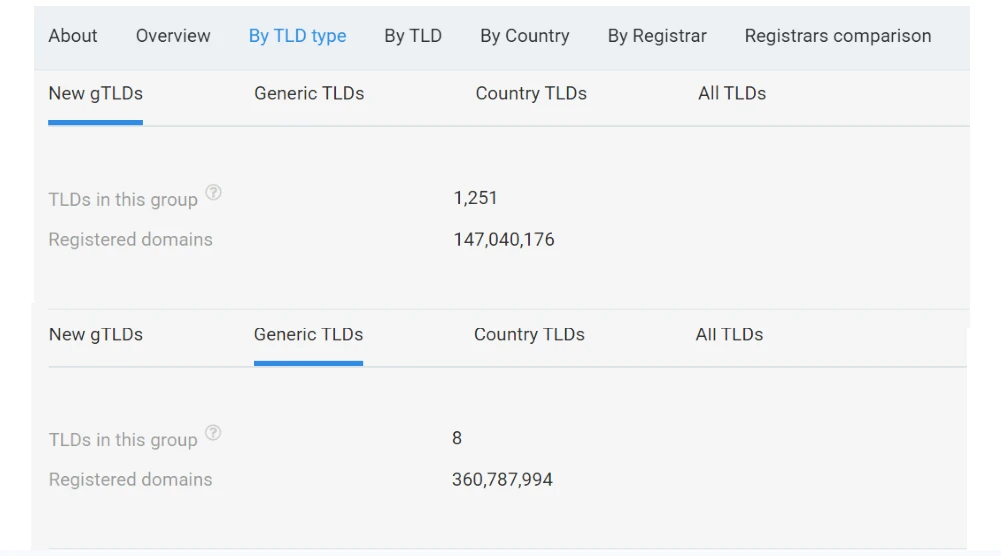
A business owner in Nairobi might choose a .com domain for a professional global presence, while an online store could use .shop to make its purpose clear from the start.
A regional brand targeting African audiences may prefer .africa to create a stronger local identity across the continent.
2) Country-Code Top-Level Domains (ccTLDs)
Country-code top-level domains are linked to specific countries or territories.
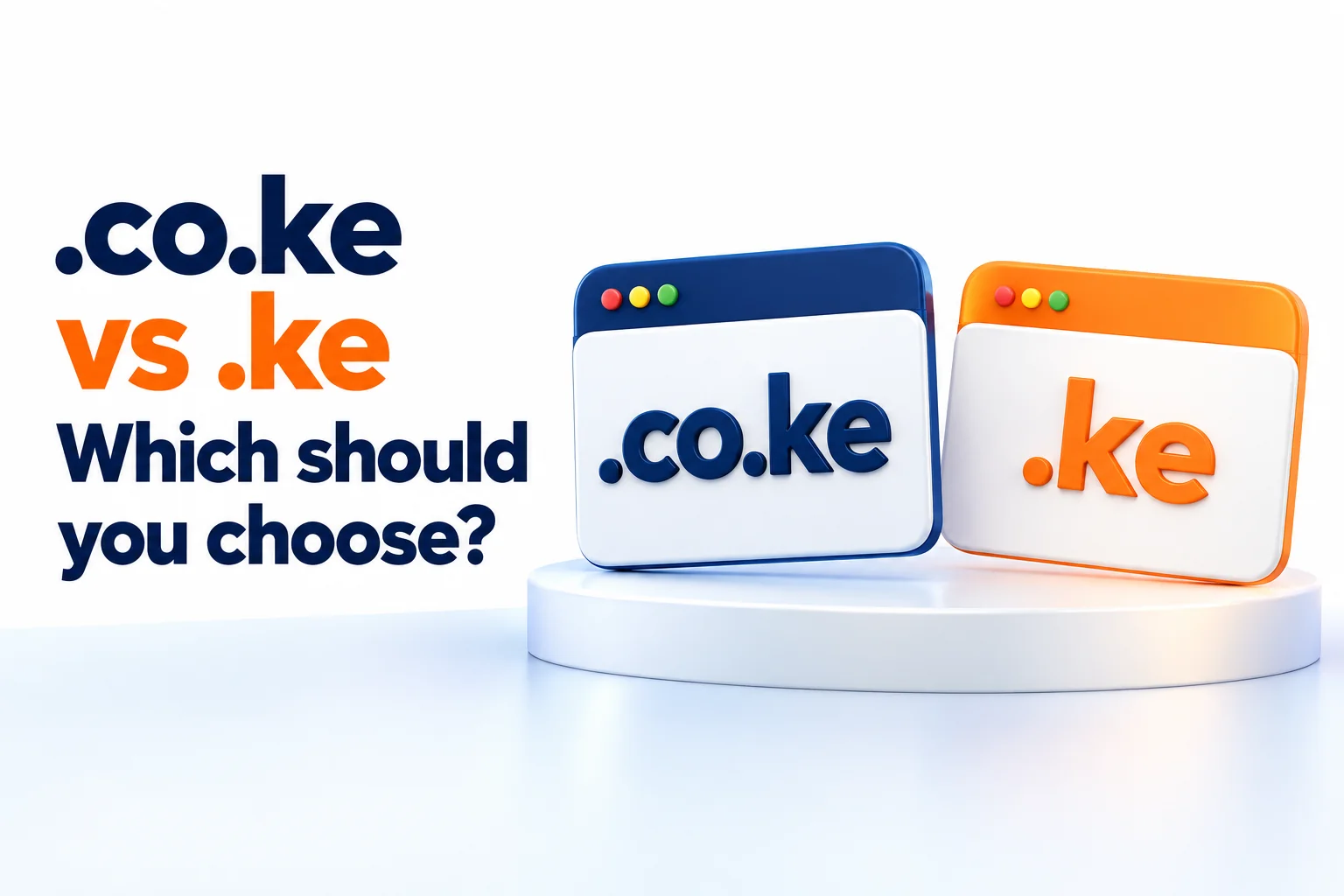
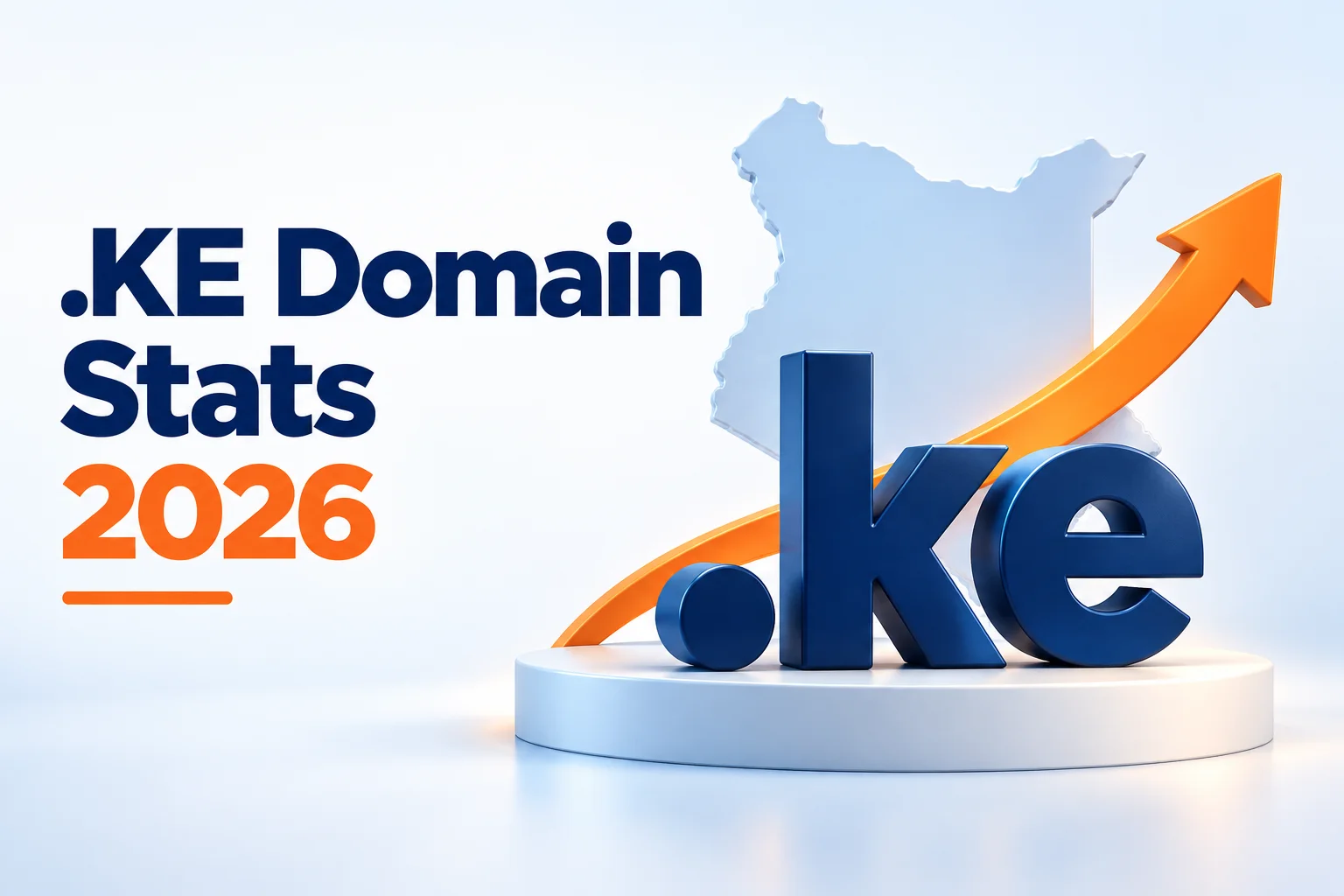
In Kenya, the most recognized examples are .co.ke and .ke.
Many Kenyan businesses use .co.ke because it immediately shows customers that the business operates locally. The shorter .ke extension has also become popular for modern brands looking for a clean and memorable web address.
3) Sponsored or Restricted Top-Level Domains (sTLDs)
Sponsored or restricted top-level domains are managed by approved organizations or communities.
Registration is usually limited to groups that meet certain requirements.
Examples include .edu for educational institutions, .gov for government agencies, .mil for military use, and .int for international treaty-based organizations.
You may also come across .localhost, which is commonly used for local testing environments during website or software development.
4) Test Top-Level Domains (tTLDs)
Test top-level domains are reserved for testing and documentation purposes.
These domains are not meant for public websites and are mainly used in technical examples, training materials, or software testing environments.
They help developers and engineers test systems safely without affecting real websites or live internet traffic.
5) Infrastructure Top-Level Domain
There is also a special category used for internet infrastructure.
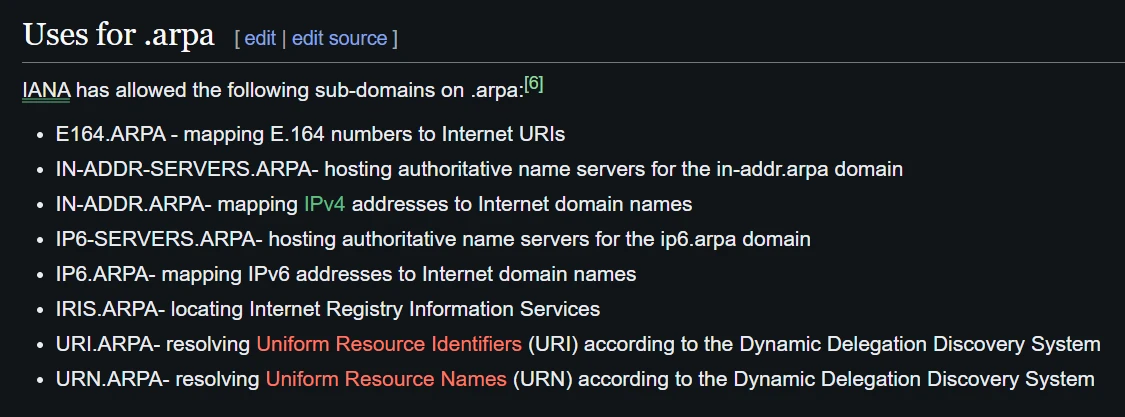
This includes a single TLD, .arpa, which stands for Address and Routing Parameter Area.
The .arpa domain is managed by the Internet Assigned Numbers Authority (IANA) and is used for technical functions such as reverse DNS lookups and other core Internet operations.
Purpose of a Top Level Domain (TLD)
a) TLDs Categorize Websites to Define Context
A top-level domain helps people identify what your website is about and who it is meant for.
Different TLDs create different expectations.
A .com domain is commonly linked to businesses and commercial websites, while a .org is often associated with nonprofit organizations. A local extension like .co.ke or .ke tells visitors that your business or service is connected to Kenya.
b) They Enhance Branding, Trust, and Memorability
This small part of your domain can also strengthen your brand.
A short and relevant domain name is easier for people to remember, type, and share with others.
For example, a clean address like yourbrand.co.ke feels more professional and easier to recall than a long or complicated web address.
Trust also plays a big role.
For instance, many Kenyan customers would feel more confident buying from or contacting a business that uses a Kenyan domain extension because it signals a local presence.
c) They Support How Domain Name System (DNS) Works
When someone types your website address into a browser, the DNS uses the TLD to help direct visitors to the correct server almost instantly.
This process happens in seconds and allows people to access your website from anywhere in the world.
d) They Protect Your Online Identity
Once you register a domain name under a specific extension, no one else can use that exact combination.
That is one reason many businesses register their preferred domain name early, even before launching their website.
Who Manages Top Level Domains (TLDs)?
Top-level domains are managed through a global system that keeps the internet organized and running smoothly.
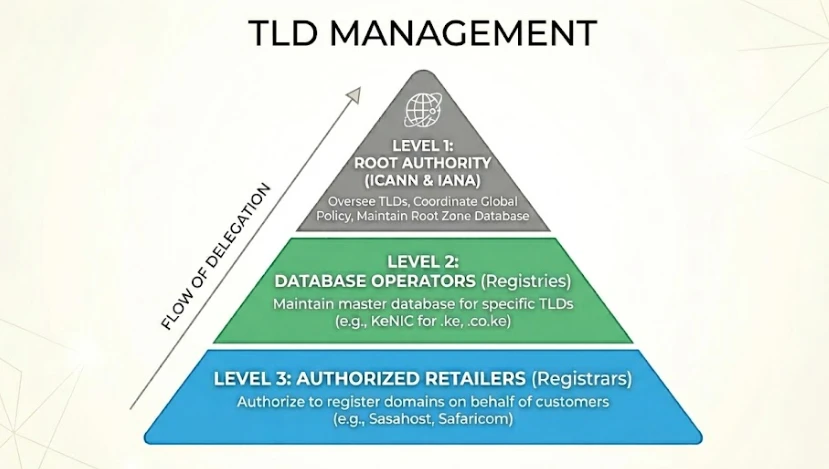
1. At the highest level, the system is overseen by the Internet Corporation for Assigned Names and Numbers (ICANN) and the Internet Assigned Numbers Authority (IANA).
These organizations help coordinate domain names, IP addresses, and the rules that keep the Domain Name System stable across the world.
2. Each top-level domain is then managed by a registry.
A registry is the organization responsible for maintaining a specific domain extension. For example, Kenya’s .ke and .co.ke domains are managed by the Kenya Network Information Center (KeNIC).
3. Registries do not usually sell domains directly to the public. Instead, they work with registrars.
A registrar is a company authorized to register domain names on behalf of customers.
This is where we at Truehost come in. We are an accredited registrar helping individuals and businesses search for available domains, register them, manage renewals, and connect them to websites or email services.
For Kenyan domain extensions such as .co.ke and .ke, working with a trusted local registrar can make the registration process faster and easier, especially when you need local support and guidance along the way.
How Do You Register a Top Level Domain (TLD)
This process is very simple when you use a trusted registrar like Truehost. Once you find the right domain name, you can secure it in just a few steps.
1. Start by opening the Truehost domain search page. This tool allows you to check if your preferred domain name is available.
2. Enter the name you want along with your preferred extension, such as .com, .co.ke, .org, or .ke, and click “Search.”
The system will instantly show:
- Available domain options
- Alternative suggestions
- Current registration prices
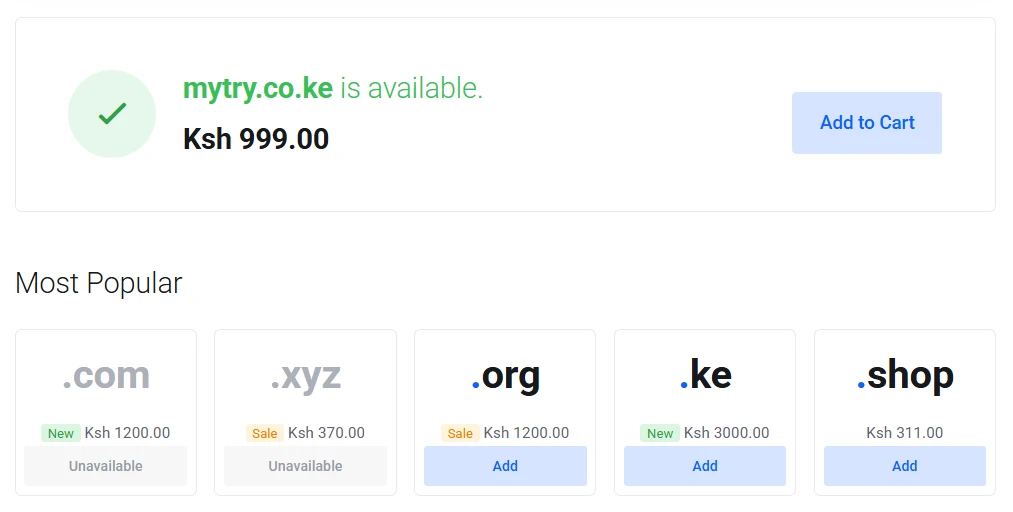
This helps you compare different TLDs before making a decision.
3. After selecting your domain, you’ll move to the configuration page.
Here, you can confirm or update nameserver settings or add extra services like ID protection or email forwarding if needed.
4. Next, review your order summary, choose the domain registration period, and fill in your contact and billing information.
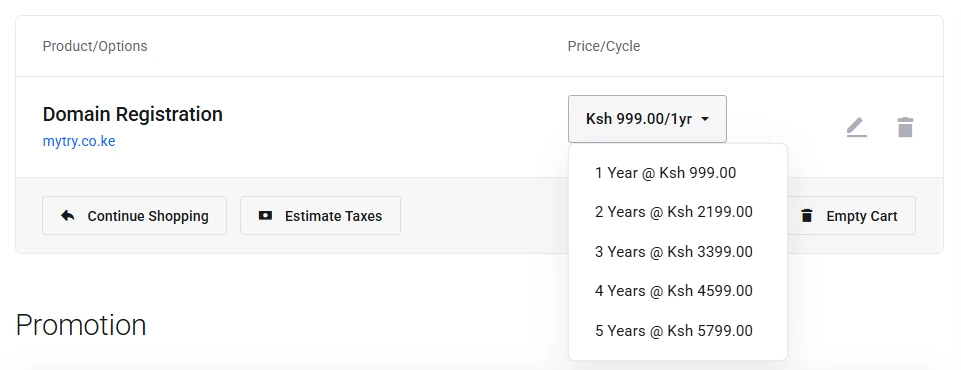
You’ll also choose your preferred payment method during this step.
5. Complete the payment. At Truehost, we support several payment options, including:
- M-Pesa
- Bank transfer
- PayPal
- Debit or credit card payments
You can also choose your preferred currency. Once payment is completed, your domain is usually activated within minutes.
Current Truehost TLD Pricing
Here are some of the popular domain extensions currently available through Truehost:
| TLD | Starting Price |
|---|---|
.co.ke | Ksh 999 |
.com | Ksh 1,200 |
.net | Ksh 1,100 |
.org | Ksh 1,200 |
.ke | Ksh 3,000 |
.africa | Ksh 1,800 |
.top | Ksh 197 |
.xyz | Ksh 370 |
.shop | Ksh 311 |
These prices are typically for the first year of registration, with renewals charged at standard rates afterward.
You can begin your registration and secure your domain name and TLD soonest, before others grab them.
FAQs about TLDs
Can I change my TLD later?
No, you cannot change the TLD of an existing domain. If you want a different TLD, you will need to register a new domain with that TLD and redirect your old domain to the new one. This can impact SEO and branding, so it’s best to choose wisely from the start.
Does my website need a specific TLD?
It depends on your website’s purpose. If you are a global business, .com is usually the best choice. If you operate in a specific country, a ccTLD like .uk, .co.za, or .ca can help with local branding and SEO.
What happens if my desired TLD is taken?
If your preferred domain name is unavailable with your chosen TLD, you have a few options:
Try a different TLD that still fits your website’s purpose.
Modify the domain name slightly (e.g., getyourbrand.com instead of yourbrand.com).
Contact the current owner and see if they are willing to sell the domain.
Are some TLDs better for SEO?
Google treats most gTLDs (like .com, .net, .org) the same in terms of SEO. That said, ccTLDs are generally ranked higher in their specific countries but may not perform well globally.
Can I register multiple TLDs for the same domain?
Yes, many businesses register multiple TLDs (e.g., yourbrand.com, yourbrand.net, yourbrand.org) to protect their brand and prevent others from using similar names. You can redirect these extra domains to your main website.
Are there any TLDs to avoid?
Yes, some TLDs are commonly associated with spam or phishing sites, such as .xyz, .biz, and .info. While they are not necessarily bad, they may make your website seem less trustworthy to visitors.
Do I own my domain name and TLD forever?
No, domain names are registered for a set period (usually 1 – 5 years). You must renew your domain before it expires to keep ownership. This is why it’s a good idea to set up auto-renewal.
Ready to Get Your Top Level Domain (TLD)?
Now when someone pops the question again, “What is a top level domain (TLD)?” you definitely have a clear idea.
The next step is choosing a domain name that fits your brand, business, or project.
The right choice depends on your goals and the audience you want to attract.
At Truehost, we make it easy to search for available domain names, compare TLD options, and register your domain in just a few minutes.
Good domain names are registered every day, so if you find one that fits your brand well, it’s a good idea to secure it before someone else does.
Start your domain search today and claim the name that will represent your online presence for years to come.