 Domain SearchInstantly check and register your preferred domain name
 Web Hosting
 cPanel HostingHosting powered by cPanel (Most user friendly)
 WordPress HostingHost your WordPress website with fast, secure, and affordable WordPress hosting in Kenya.
 KE Domains
 Reseller HostingStart your own hosting business without tech hustles
 Windows HostingOptimized for Windows-based applications and sites.
 Free Domain
 Affiliate ProgramEarn commissions by referring customers to our platforms
 Free HostingTest our SSD Hosting for free, for life (1GB storage)
 Domain TransferMove your domain to us with zero downtime and full control
 All DomainsBrowse and register domain extensions from around the world
 .Com Domain
 WhoisLook up domain ownership, expiry dates, and registrar information
 VPS Hosting
 Managed VPSNon techy? Opt for fully managed VPS server
 Dedicated ServersEnjoy unmatched power and control with your own physical server.
 Website Builder
 Online Store BuilderLaunch a professional e-commerce store without writing code.
 Web Design ServiceGet a custom-designed website tailored to your brand and goals. From just KES 15,600
 BlogRead our guides on web hosting, online business, digital marketing, and more
 SupportOur support guides cover everything you need to know about our services
 ContactContact us via chat or email
Are you ready to share your food ideas with the world?
Starting a food blog is one of the easiest ways to turn your passion into something real.
If you love cooking, experimenting in the kitchen, or talking about food, you’ve probably thought about starting a food blog. And honestly, that’s a great idea. A blog gives you your own space to express yourself, share recipes, and connect with people who love food just as much as you do.
The good news? It’s much simpler than it sounds. With the right tools and a clear plan, you can get your food blog up and running without any technical stress.
In this guide, we will walk you through the exact steps to launch your blog, grow your audience, and start earning in Kenya.
What Is a Food Blog?
A food blog is a space where food lovers share their experiences with food through words and visuals.
If you enjoy cooking, tasting new dishes, or talking about food culture, a food blog lets you put that passion into something others can read, watch, and try for themselves. It’s where stories, recipes, and food photography come together in one place.
Some food blogs explore the background of popular dishes and the cultures behind them. Others focus on simple, step-by-step recipes or highlight the best places to eat. Many bloggers also use photos and videos to show how food looks and how it’s prepared, making the experience more engaging.
A food blog can be about almost anything food-related. It might focus on local Kenyan meals, vegan eating, family recipes, or professional kitchen tips. Whether it’s a parent sharing meals their kids love or a trained chef breaking down cooking techniques, the goal is the same: bringing people together through good food.
Why Start a Food Blog in Kenya?
Food is part of who we are in Kenya.
From roadside snacks in Nairobi to seafood feasts at the Coast, food tells our stories.
So why turn that love into a blog?
1) Kenyans are actively searching for food ideas
People want new ways to cook familiar meals.
Simple twists on foods like sukuma wiki, chapati, or mahamri get searched every day.
Recent trends indicate that food-related searches are growing rapidly, particularly among busy individuals seeking quick and practical recipes. If you can offer solutions, you’ll always have readers.
2) You can share what you already know
You don’t need to invent anything new. Your everyday cooking experience is valuable.
Maybe it’s a family recipe passed down for years.
Or a shortcut you discovered that saves time in the kitchen.
Those small stories are what people connect with.
3) Real people are already making money from it
Food blogging isn’t just a hobby anymore.
One local blogger started by sharing simple chapati tips. Today, her blog brings in over KES 50,000 per month through ads, brand deals, and digital products.
If it worked for her, it can work for you, too.
4) Food content fits Kenya’s online habits
Most Kenyans browse on their phones.
They want quick reads, clear steps, and visual content.
Food blogs are perfect for this. Short recipes, photos, and tips perform exceptionally well on mobile devices.
5) There are many ways to make money
A food blog opens several income streams:
- Display ads
- Affiliate links
- Sponsored posts
- Selling your own recipe guides
You’re not locked into just one option.
How to Start a Food Blog in Kenya
If you’ve been thinking about joining the food blogging space, now is a great time to begin. You don’t need to have everything figured out yet; you just need a clear starting point.
Here are the simple steps to help you get started the right way:
Step 1) Choose Your Food Blog Niche
This is the foundation of your entire blog. And yes, this is where most people get stuck.
A niche is simply what you choose to focus on. It’s the main theme that guides every post you write.
Many beginners make the mistake of blogging about everything food-related. Recipes today, restaurant reviews tomorrow, diet tips next week. That usually leads to slow growth and confused readers.
Instead, narrow your focus.
When people land on your blog, they should immediately understand what they’ll get from you.
Popular food blog niches in Kenya
- Kenyan traditional recipes
- Affordable meals for students and young professionals
- Healthy eating and weekly meal prep
- Baking and homemade desserts
- Street food reviews
- Restaurant reviews in Nairobi, Mombasa, or Kisumu
Choosing a niche doesn’t limit you. It helps you grow faster.
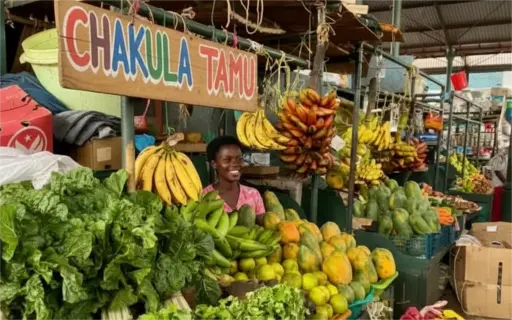
When your blog is clear, readers trust you. And trust is what turns visitors into loyal followers.
Step 2) Pick a Blog Name and Domain
Your blog name is your identity online. It’s how people remember you and recommend you to others.
A good blog name should be:
- Easy to remember
- Easy to spell
- Clearly related to food
Avoid complicated words or names that are hard to type on a phone.
Simple name ideas
- NaiKitchen
- SimpleEatsKE
- TasteWithGrace
Once you choose a name, you’ll need a domain name.
This is your website address, such as:
www.yourblogname.co.ke
Using a .co.ke domain helps Kenyan readers trust your site.
It also shows that your content is local and relevant.

Step 3) Get Reliable Web Hosting
Your blog needs a place to live online. That place is called web hosting.
Hosting stores your blog’s files and makes sure people can access your site anytime they visit.
Not all hosting is the same.
Poor hosting leads to slow loading times and frequent downtime.
When choosing hosting, pay attention to:
- Speed – fast sites keep readers engaged
- Uptime – your blog should always be accessible
- Local support – help when you need it
- Affordable pricing – especially when starting out
At Truehost Kenya, we understand how Kenyan bloggers operate. That’s why our hosting plans are built for local traffic, mobile users, and growing blogs.
Step 4) Install WordPress
Once your hosting is ready, it’s time to build your blog.
WordPress is the easiest and most popular blogging platform in the world.
Why WordPress works so well
- No coding required
- Simple writing interface
- Thousands of free themes and plugins
- Designed to rank well on Google
Most hosting providers, including Truehost, offer one-click WordPress installation.
Step 5) Choose a Simple, Clean Theme
Your blog’s design affects how long people stay on your site.
A clean design keeps readers focused on your content, not distracted by clutter.
When choosing a theme:
- Use light or white backgrounds
- Pick readable fonts
- Avoid too many colors or animations
Food blogs look best when images stand out.
You can start with a free WordPress theme and upgrade later once your blog grows. What matters most is clarity and ease of reading.
Step 6) Create Essential Pages
Before publishing blog posts, set up a few important pages.
These pages build trust and make your blog look professional.

Pages you should have
- About page – share your story and why you love food
- Contact page – let brands and readers reach you
- Privacy policy – required for ads, analytics, and SEO
Keep these pages simple and honest. You don’t need fancy wording.
People connect with real stories, not perfect ones.
Step 7) Start Writing Your First Posts
This is where your blog truly comes alive.
Your first posts should solve real problems or answer common questions.
Look at the food topics people regularly ask you about and create content that answers them clearly.

Beginner-friendly post ideas
- How to cook pilau step by step
- Easy chapati recipe for beginners
- Affordable weekly meal plans in Kenya
- Best street food spots in Nairobi
Write like you’re talking to a friend.
Use:
- Short sentences
- Clear steps
- Simple language
There’s no pressure to be perfect. What matters is being helpful.
Step 8) Take Simple Food Photos
You don’t need an expensive camera to start.
Your smartphone is more than enough.
What makes food photos work is not equipment, but technique.
Focus on:
- Natural light, especially near a window
- Clean and simple backgrounds
- Clear focus on the food
Edit lightly using free apps. Avoid heavy filters.
Good photos make your recipes more tempting and more shareable.
Step 9) Learn Basic SEO
SEO helps people find your blog on Google.
You don’t need to master everything. Just focus on the basics.
SEO essentials for beginners
- Use one main keyword per post
- Include it in the title
- Add it naturally in the introduction
- Write genuinely helpful content
For example, if you’re writing about mandazi, don’t stop at ingredients.
Explain:
- Why do mandazi sometimes turn out hard
- Common mistakes beginners make
- How to store them properly
Google rewards content that helps real people.
If you focus on value, SEO follows naturally.
Step 10) How To Make Money
Now let’s talk about the part everyone is curious about, money.
A food blog can start as a passion project, but with the right strategy, it can grow into a real income stream. Most successful food bloggers don’t rely on just one method. They mix several.
Here are the most common ways food bloggers in Kenya make money.
1) Display Ads
Display ads are usually the first income stream bloggers unlock.
Once your blog starts getting regular visitors, you can apply for ad networks. These platforms place ads on your website, and you earn money when visitors see or click them.
Popular ad platforms include:
- Google AdSense
- Ezoic
- Mediavine (for higher-traffic blogs later on)
Ads work best when your content attracts steady traffic from Google.
You won’t get rich overnight, but it’s passive income. Your posts keep earning long after you publish them.
2) Affiliate Marketing
Affiliate marketing means recommending products and earning a commission when someone buys through your link.
For food bloggers, this fits naturally.
You can promote:
- Kitchen tools you actually use
- Hosting services for bloggers
- Cookbooks or digital food guides
For example, if you review a blender and link to it, you earn a percentage when a reader buys it.
The key is trust.
Only recommend products you genuinely believe in.
Readers can tell when you’re being honest, and that honesty leads to consistent income.
3) Sponsored Content
Sponsored content is when brands pay you to feature their products or services.
This can include:
- Restaurants
- Food brands
- Kitchen appliances
- Cooking events
You don’t need a massive audience to get started. Brands care more about engagement than numbers.
If your readers comment, share, and trust you, companies will notice.
Many bloggers start with small paid collaborations and grow from there.
4) Selling Your Own Products
This is where the biggest income potential lies.
When you create and sell your own products, you control everything: pricing, branding, and profit.
Food bloggers often sell:
- Recipe eBooks
- Weekly meal plans
- Cooking guides for beginners
Your blog becomes more than content. It becomes a business.
Once your audience trusts your expertise, selling becomes much easier.
Step 11) Grow Your Traffic Slowly and Consistently
Traffic is the fuel that powers all income streams.
But here’s the truth most people don’t like to hear:
Traffic takes time.
Instead of chasing shortcuts, focus on habits that compound.
What actually works
- Publishing helpful posts consistently (once a week is enough)
- Sharing your posts on WhatsApp and Instagram
- Answering food-related questions in Facebook groups and forums
Every post you publish is another door for readers to find you.
Common Mistakes to Avoid
Many food bloggers don’t fail because they’re bad writers.
They fail because they quit too early or follow the wrong expectations.
Avoid these common mistakes:
- Expecting fast money
- Copying other blogs instead of finding your voice
- Posting without a plan
- Ignoring SEO basics
Blogging is a long-term game.
But if you stay consistent, improve with time, and focus on value, it does pay, financially and creatively.
Conclusion
Food blogging is more than sharing meals online. It’s a powerful way to build your personal brand, connect with people who love what you do, and create real opportunities around your passion.
Your blog can also work as a marketing tool. It helps you promote your business, attract new customers, and grow your audience all in one place, even while you’re offline.
As your blog grows, you can unlock multiple income streams. From selling recipe eBooks and meal plans to launching online courses, food blogging opens the door to steady and even passive income over time.
If you’re ready to get started, the right setup makes all the difference. We at Truehost Kenya provide fast, reliable hosting built for local bloggers, so you can focus on creating great content while we handle the technical side.