 Domain SearchInstantly check and register your preferred domain name
 Web Hosting
 cPanel HostingHosting powered by cPanel (Most user friendly)
 WordPress HostingHost your WordPress website with fast, secure, and affordable WordPress hosting in Kenya.
 KE Domains
 Reseller HostingStart your own hosting business without tech hustles
 Windows HostingOptimized for Windows-based applications and sites.
 Free Domain
 Affiliate ProgramEarn commissions by referring customers to our platforms
 Free HostingTest our SSD Hosting for free, for life (1GB storage)
 Domain TransferMove your domain to us with zero downtime and full control
 All DomainsBrowse and register domain extensions from around the world
 .Com Domain
 WhoisLook up domain ownership, expiry dates, and registrar information
 VPS Hosting
 Managed VPSNon techy? Opt for fully managed VPS server
 Dedicated ServersEnjoy unmatched power and control with your own physical server.
 Website Builder
 Online Store BuilderLaunch a professional e-commerce store without writing code.
 Web Design ServiceGet a custom-designed website tailored to your brand and goals. From just KES 15,600
 BlogRead our guides on web hosting, online business, digital marketing, and more
 SupportOur support guides cover everything you need to know about our services
 ContactContact us via chat or email
You just registered a domain name. You paid for it, set up your hosting, and maybe you are already thinking about building your website.
What you probably do not know is that the moment you completed that purchase, your personal information became public.
Not just your name. Your home address. Your phone number. Your email address. Anyone with an internet connection can now look up all of that information in less than thirty seconds.
For most people, the first time they find this out is when something goes wrong: it could be spam calls or the fake renewal emails landing in the inbox. Or worse, someone shows up at your house because they looked up the domain and found your address.
That is why WHOIS ID protection is so important. It hides your real contact details from the public database.
Instead of showing your name, address, phone number, and email address, it displays proxy information from your registrar. Your actual details remain on file with the registrar for legal purposes, but the public sees nothing.
If you are wondering what you’ll gain by WHOIS ID protection, these are the top 7 benefits.
7 Benefits of WHOIS ID Protection for Domain Owners
Benefit #1: Stop Spam Calls and Emails
The first thing that happens after a domain registration is that automated bots scrape the public WHOIS database. These bots are constantly scanning for new domains.
The moment your information appears, your phone number and email address are added to thousands of marketing lists.
You will get calls like “Hello, I am calling from your domain support center. We noticed your website is not ranking on Google.” They are not from Google. They are cold callers who bought your info for a few cents.
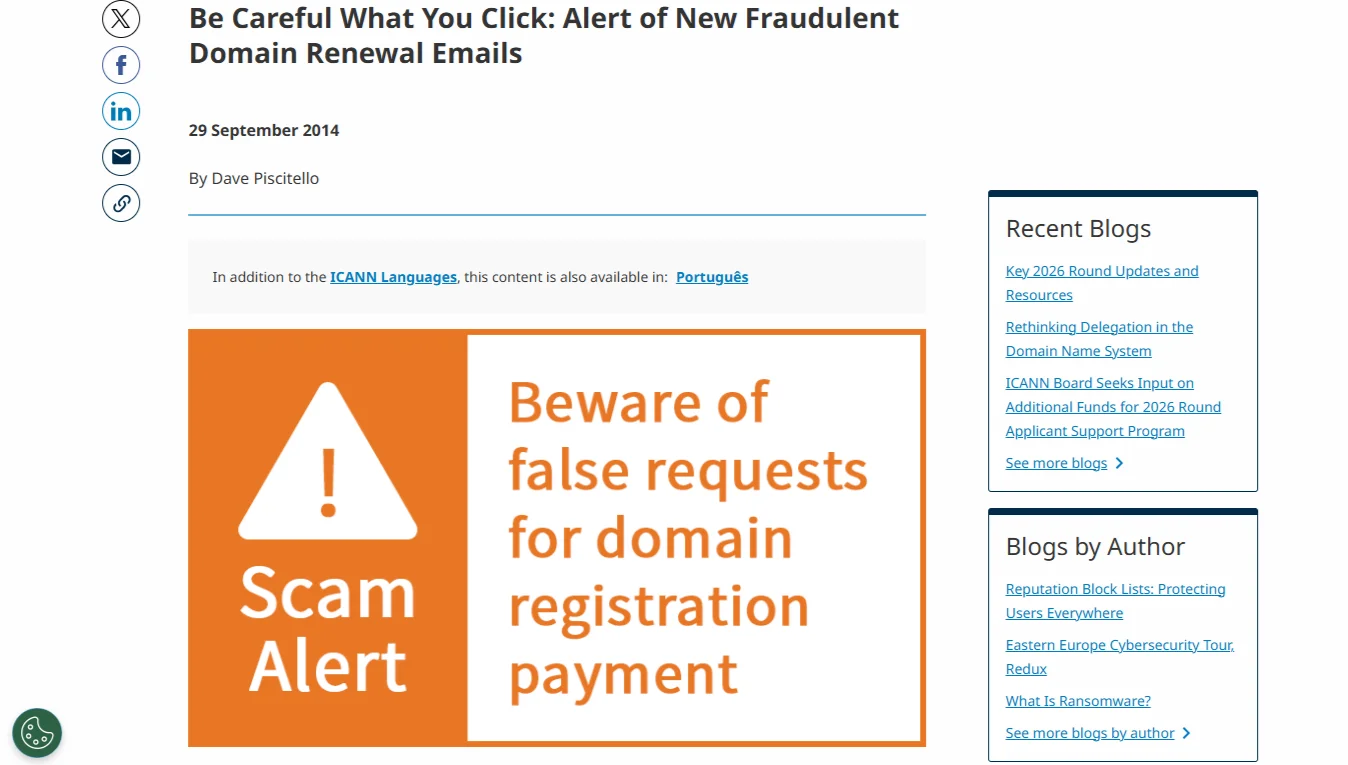
Then there is the fake domain renewal scam. This is a big one in Kenya. For example, you can receive an email that looks exactly like your registrar’s branding.
It says your domain is expiring in 24 hours, and you must pay a certain amount, which could be the renewal amount you are used to, immediately via a link. The link goes to a fake payment page designed to steal your credit card details.
With WHOIS ID protection, your real phone number and email address are not publicly available. The spammers and scammers have nothing to scrape. You eliminate the harassment at the source.
Benefit #2: Keep Your Home Address Private
When you register a domain without protection, your physical home address is publicly displayed.
If you run a business from your home, like a consultant in Lavington or a freelancer, that means a stranger can look up your domain and know exactly where you live.
This is a security risk. You are giving potential thieves or unstable individuals your home location.
In addition, a client checking your professionalism might notice a residential address associated with your business domain and question whether your operation is legitimate.
WHOIS ID protection replaces your home address with the address of your registrar’s proxy service. Your mail still gets forwarded if necessary, but your exact location stays private.
Benefit #3: Reduce Doxxing and Harassment Risk
Doxxing is publishing someone’s private information online with the intent to harass or harm them, and public WHOIS data makes doxxing easy.
You might think, “I’m just a small business owner. Who would target me?” The list is longer than you think:
- Disgruntled customers: If someone has a dispute with your business, they can look up your home address and phone number to escalate the issue beyond your control.
- Competitors: In a tight market, some competitors might use your personal info to sign you up for spam lists or harass you.
- Trolls: If you run a blog or a controversial site, people who disagree with you can use your WHOIS data to find your physical location or family members.
WHOIS protection creates a firewall. It ensures that if someone wants to cause trouble, they hit a proxy contact first, not your address.
Benefit #4: Prevent Domain Hijacking
Domain hijacking is when a thief takes control of your domain name without your permission.
Once they have it, you will be unable to access your website or email. They either hold it for ransom or sell it to someone else.
How do they do it? They use the public WHOIS data to impersonate you.
A thief looks up your domain. They see your name and your email address. They call your registrar pretending to be you. They pretend they’ve lost access to the email request to reset your account.
Using the public information they gathered, they convince the support agent to transfer the domain to their account.
Recovering a hijacked domain is a nightmare. It takes a while. You have to prove your identity, probably involve lawyers, and sometimes deal with ICANN disputes. Meanwhile, your business is down. Your email is down. You are losing customers.
WHOIS ID protection removes the attacker’s starting point. If they cannot see your name or contact details, they have no information to use in a social engineering attack.
Benefit #5: Maintain Professional Credibility
When a potential client, partner, or investor looks up your domain ownership, what do you want them to see?
If you leave your WHOIS info public, they see your personal home address and a personal email address like [email protected]. It looks like a hobby project. It raises questions about the seriousness of your business.
When you enable protection, they see proxy information. It looks clean. It looks like a properly managed business asset.
If you are a Kenyan company pitching to corporate clients or applying for government tenders, the small details matter. A professional appearance starts with how you manage your digital assets.
Hiding your home address from the public record projects a polished, established image.
Benefit #6: Stay ICANN Compliant Without Sacrificing Privacy
Many domain owners skip privacy protection because they think it violates the rules. They have this idea that ICANN forces you to leave your personal details out there for everyone to see.
That is not true.
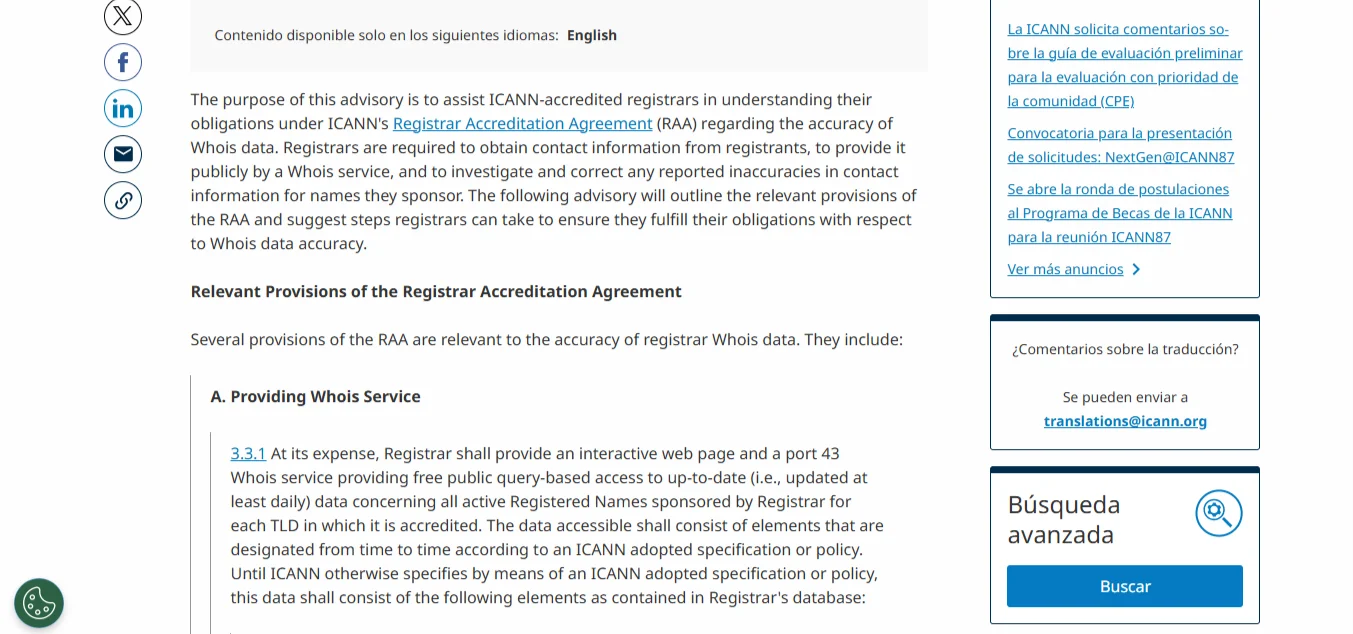
ICANN requires that registrars have accurate and verifiable contact information for the domain owner. This is for legal purposes, such as trademark disputes or fraud investigations.
You remain the legal owner of the domain. The registrar still has your real details on file in their secure system.
WHOIS ID protection only changes what the public sees. It does not hide your ownership from the registrar or from law enforcement with a valid request.
So, you stay fully compliant with ICANN rules while maintaining your privacy.
Benefit #7: Peace of Mind for a Minimal Cost
Let’s look at the numbers. People hesitate to add WHOIS protection because it feels like an extra cost.
But first, compare what you pay versus what you get.
| What you pay | What you get |
| Annual fee for protection (Ksh. 400 @Truehost) | No spam calls or scam emails |
| A few minutes to enable it | Your home address stays private |
| No risk of doxxing or harassment | |
| Protection against domain hijacking | |
| Professional, credible public profile | |
| Full ICANN compliance | |
| Peace of mind |
Now, compare that to the cost of recovery if something goes wrong.
- Recovering a hijacked domain: Thousands of shillings in legal fees, weeks of lost business revenue, and permanent damage to your email reputation.
- Dealing with harassment: The stress and potential cost of moving or changing phone numbers.
- Falling for a scam renewal: The cost of the scam itself plus the time spent securing your accounts.
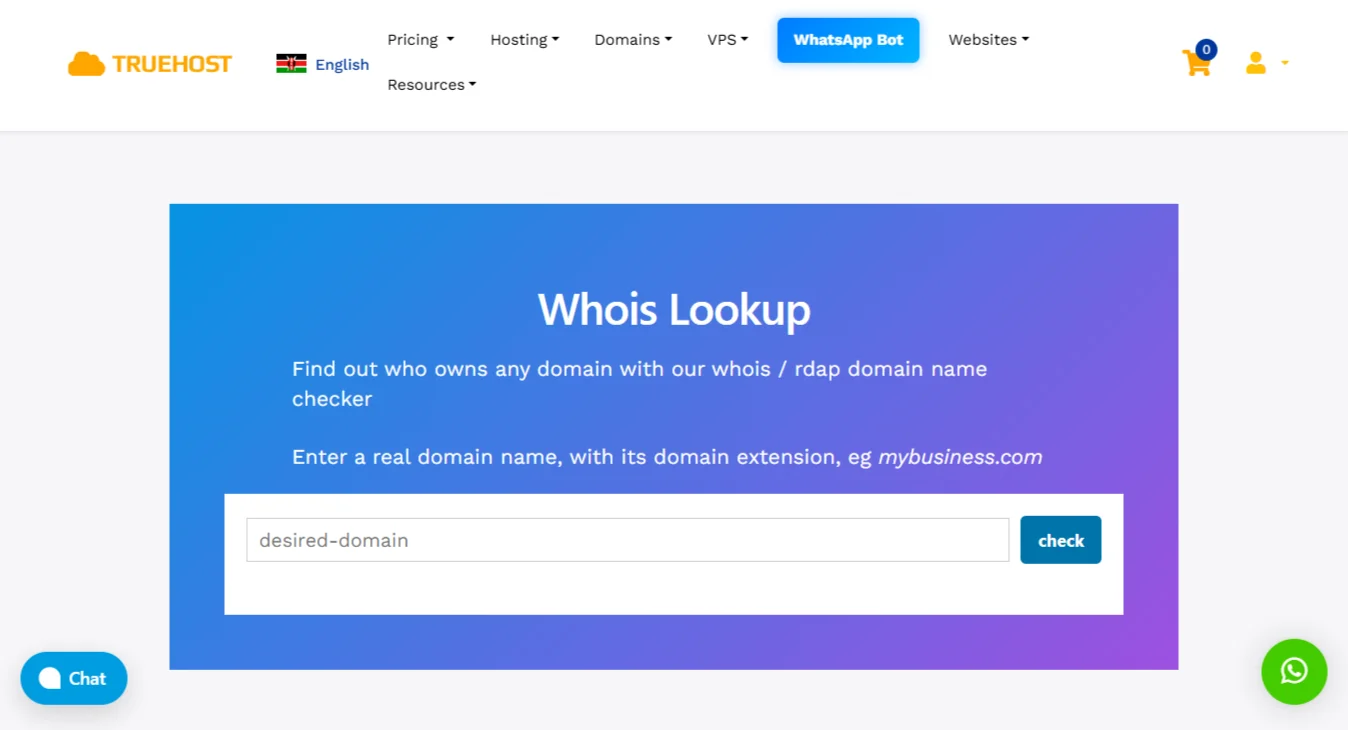
At Truehost, WHOIS ID protection is KSh 400 per year. That is less than the cost of a good lunch in Nairobi. It is insurance against problems that are almost guaranteed to happen over the life of your domain.
How to Enable WHOIS ID Protection
You can set this up in less than a minute.
When registering a new domain:
Look for the option labeled “WHOIS ID Protection” or “Domain Privacy” on the checkout page. Tick the box. That is it.
For domains you already own:
Log in to your dashboard. Navigate to “Services” and then “My Domains.” Find the domain you want to protect. Look for the option to enable privacy or WHOIS protection. Click it. Confirm.
Within minutes, your real details are hidden, and the proxy details are live.
Wrapping It UP
You now have seven reasons to enable WHOIS ID protection:
- It stops spam calls and scam emails
- It keeps your home address private
- It reduces the risk of harassment and doxxing
- Prevents domain hijacking
- It maintains your professional credibility
- Keeps you compliant with ICANN rules
- It gives you peace of mind for a minimal cost.
Right now, without protection, your personal information is publicly available to anyone who looks it up. Strangers can see your name, your physical address, and your phone number.
Also, scammers can use that information to target you. Thieves can use it to impersonate you and steal your domain.
You do not need to expose yourself.
Go to your Truehost account and enable WHOIS ID protection. It costs KSh 400 per year. It takes less than one minute.