 Domain SearchInstantly check and register your preferred domain name
 Web Hosting
 cPanel HostingHosting powered by cPanel (Most user friendly)
 WordPress HostingHost your WordPress website with fast, secure, and affordable WordPress hosting in Kenya.
 KE Domains
 Reseller HostingStart your own hosting business without tech hustles
 Windows HostingOptimized for Windows-based applications and sites.
 Free Domain
 Affiliate ProgramEarn commissions by referring customers to our platforms
 Free HostingTest our SSD Hosting for free, for life (1GB storage)
 Domain TransferMove your domain to us with zero downtime and full control
 All DomainsBrowse and register domain extensions from around the world
 .Com Domain
 WhoisLook up domain ownership, expiry dates, and registrar information
 VPS Hosting
 Managed VPSNon techy? Opt for fully managed VPS server
 Dedicated ServersEnjoy unmatched power and control with your own physical server.
 Website Builder
 Online Store BuilderLaunch a professional e-commerce store without writing code.
 Web Design ServiceGet a custom-designed website tailored to your brand and goals. From just KES 15,600
 BlogRead our guides on web hosting, online business, digital marketing, and more
 SupportOur support guides cover everything you need to know about our services
 ContactContact us via chat or email
Every website has content, blog posts, landing pages, and product descriptions, but not all content performs equally. Over time, some pages lose relevance, others fail to attract traffic, and a few may even harm your SEO. That’s where a content audit comes in: a systematic review of every page on your site to evaluate performance, relevance, quality, and SEO value.
By examining your content closely, you can decide which pages to keep as they are, which need updating, which could be combined for a stronger impact, and which are no longer serving your goals and should be removed.
Conducting a content audit is especially critical for SEO in 2026.
Outdated or low-value content, sometimes called “content debt”, can hold your site back, making it harder for search engines to crawl and index the pages that matter most. Regular audits also improve the user experience, ensuring that visitors find accurate, helpful, and up-to-date information.
At the same time, this process aligns with Google’s emphasis on experience-driven content and can support consistent organic traffic growth, particularly for businesses aiming to improve local search visibility in Kenya.
This guide takes you through a clear, step-by-step approach to performing a content audit. You’ll learn how to spot pages that are boosting your rankings, identify those that are underperforming, and take concrete action.
Step-by-Step Process for Conducting a Content Audit
A content audit is a strategic exercise that helps you reclaim lost rankings, strengthen topical authority, and extract more value from content you’ve already invested in.
The difference between a basic audit and a high-impact one lies in how deliberately you approach each step.
Step 1: Define Your Audit Goals
Every effective audit starts with a clear objective. Without one, you risk collecting data without direction and making changes that don’t translate into meaningful results.
Your goal should reflect a real business outcome. This could be improving organic visibility, increasing conversions, consolidating authority around key topics, or eliminating content that no longer serves your audience. For businesses targeting local markets, this may also include strengthening relevance for location-based searches, such as city or region-specific queries.
Once your objective is defined, anchor it to measurable indicators. Traffic-focused audits should prioritize sessions, engagement, and user behavior.
SEO-focused audits should center on impressions, rankings, and click-through rates. Conversion-focused audits should track leads, sign-ups, or sales.
This alignment ensures every decision you make during the audit is intentional and tied to ROI.
Step 2: Build a Comprehensive Content Inventory
A content audit is only as strong as the dataset behind it. The goal here is to create a complete and accurate inventory of every indexable page on your site.
This typically involves exporting URLs from your CMS, pulling data from your XML sitemap, or crawling your website using tools like Screaming Frog.
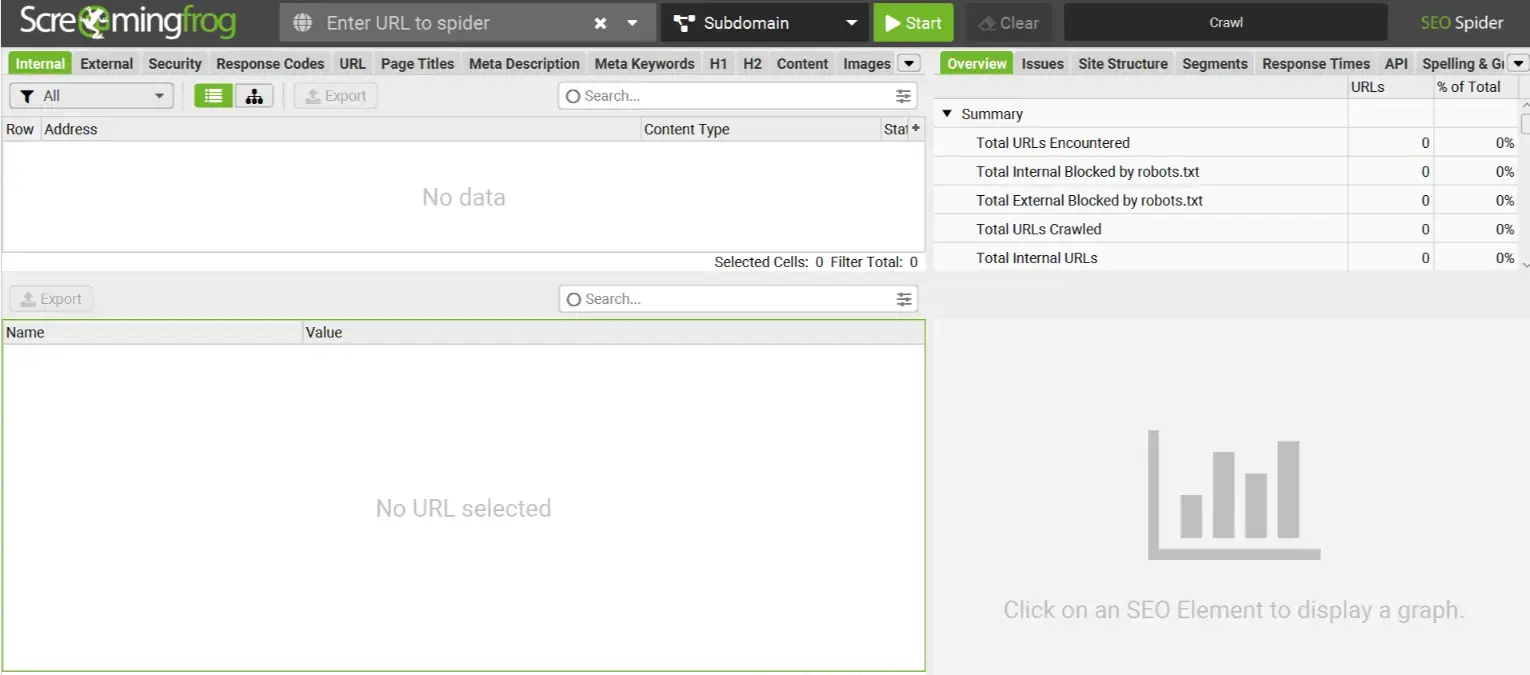
The aim is not just to list pages, but to build a structured database that gives you context for each one. For every URL, capture essential attributes such as page title, publication or last updated date, target keyword (if defined), and content type.
This allows you to segment your content later, for example, comparing blog performance versus landing pages, or identifying outdated posts at scale.
A well-organized spreadsheet becomes your control center, enabling you to filter, prioritize, and make decisions efficiently. Skipping this level of structure is one of the most common reasons audits fail to produce meaningful outcomes.
Step 3: Layer in Performance Data
With your inventory in place, the next step is to attach performance data that reflects how both users and search engines interact with your content. This is where assumptions are replaced with evidence.
Google Analytics 4 provides insight into user behavior, how much traffic each page receives, how long users stay, and whether they take meaningful actions. Google Search Console complements this by revealing how your content performs in search, including impressions, clicks, click-through rates, and average ranking positions.
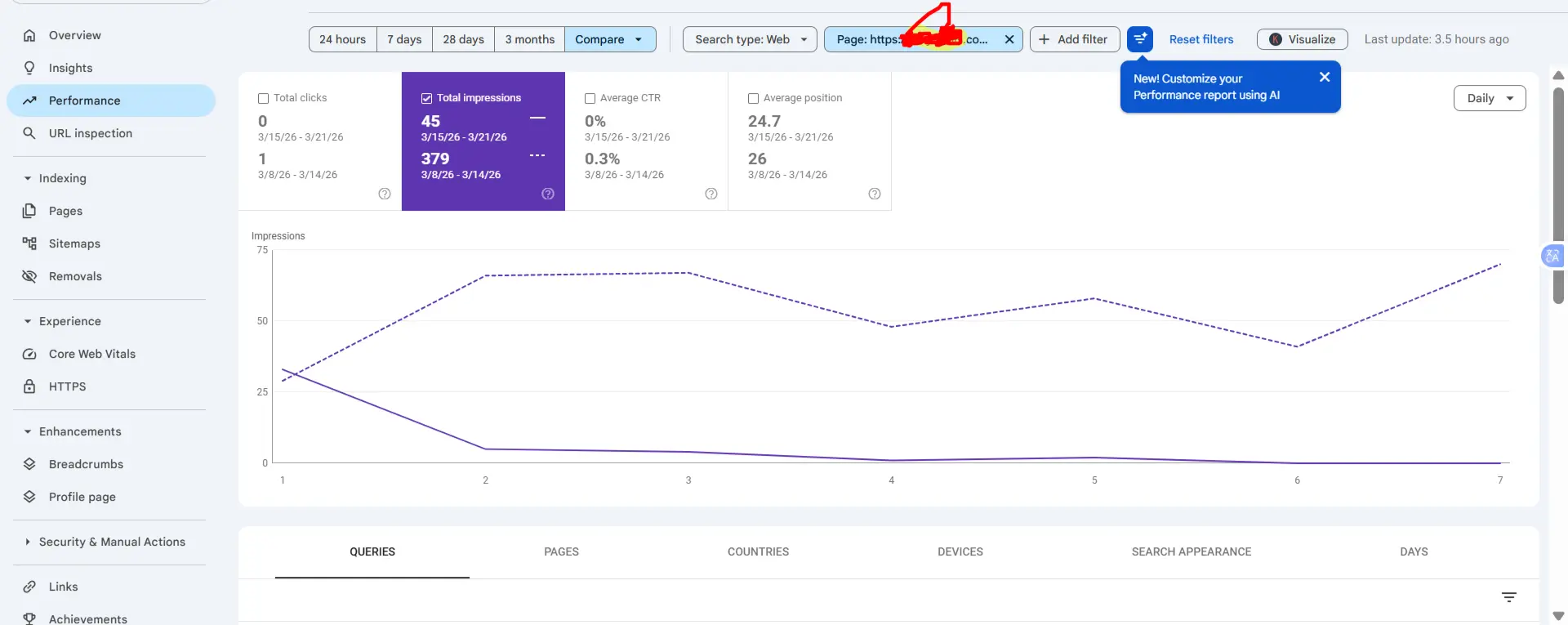
At this stage, patterns begin to emerge. Some pages clearly drive traffic and engagement; these are your proven assets. Others may have strong visibility (deep impressions) but fail to attract clicks, signaling issues with positioning or messaging.
Then there are pages with little to no activity, often indicating weak targeting, poor quality, or irrelevance.
Recognizing these differences helps you focus your efforts where they’ll have the biggest impact.
Step 4: Conduct a Qualitative Content Review
Data alone can’t explain why a page underperforms; human evaluation is essential to assess quality, usefulness, and alignment with user intent.
- Relevance: Check if the content still reflects your current offerings and meets audience needs. Even previously high-performing pages can become outdated if they no longer match your business direction.
- Accuracy & Freshness: Ensure information is current, especially for pricing, regulations, or market-specific details, to maintain trust and rankings.
- Depth: High-performing content in 2026 is comprehensive, structured, and genuinely helpful, offering clear explanations, examples, and actionable insights.
- Experience & Expertise: Content should demonstrate real knowledge and credibility. Pages lacking originality or failing to satisfy search intent should be flagged for improvement.
Step 5: Assign Strategic Actions to Each Page
Once you’ve evaluated performance and quality, the next step is to take clear, decisive actions. This is where your audit transitions from analysis to strategy.
Each page should fall into one of four categories: retain, improve, consolidate, or remove. High-performing, relevant pages should be preserved and protected. Pages with potential, those already ranking but under-optimized, should be improved.
In many cases, you’ll find multiple pages targeting similar topics. Instead of allowing them to compete, consolidating them into a single, stronger resource can significantly improve rankings and authority.
For content that provides no value, whether due to irrelevance, duplication, or poor quality, removal may be necessary. However, this should be handled carefully. Redirecting these pages to relevant alternatives helps preserve any existing authority and prevents unnecessary loss of SEO value.
Step 6: Prioritize High-Impact Opportunities
Not all improvements require significant effort. One of the most effective ways to generate quick results is by focusing on pages that are already close to performing well.
Pages ranking just outside the first page of search results often need only minor improvements to break through. Similarly, pages with strong impressions but low click-through rates indicate that visibility exists, but the presentation is not compelling enough.
Optimizing titles, changing meta descriptions, improving internal linking, or updating outdated elements can deliver noticeable gains within a relatively short timeframe.
These quick wins are essential for building momentum and demonstrating the value of your audit early on.
Step 7: Execute Targeted Content Improvements
For pages that require deeper updates, focus on meaningful improvements rather than superficial edits.
This involves enriching content with updated data, clearer explanations, and practical insights that align with user intent.
Structure plays a key role; well-organized content with clear headings and a logical flow improves both readability and SEO performance.
Keyword optimization should be approached naturally, ensuring the content remains user-focused rather than overly optimized. Internal linking should also be strengthened to connect related topics and reinforce your site’s overall authority.
Where appropriate, adding credibility signals, such as author information, references, or real-world examples, can further enhance trust and performance.
Step 8: Resolve Technical Barriers
Even high-quality content can underperform if technical issues are limiting its visibility. As part of your audit, it’s essential to address any underlying technical constraints.
This includes fixing broken links, resolving duplicate content issues, optimizing meta tags, and improving page speed and mobile usability. These factors directly impact how efficiently search engines can crawl and index your site, as well as how users experience your content.
A technically sound website ensures that your content improvements can achieve their full potential.
Step 9: Implement Strategically and Measure Impact
The final step is execution, but with discipline. Rather than making widespread changes all at once, implement updates in controlled batches. This allows you to isolate impact and understand which changes are driving results.
Documentation is critical at this stage. Record what changes were made, the reasoning behind them, and the expected outcomes. This creates a feedback loop that improves future audits and provides clear evidence of performance gains.
Monitor key metrics over the following weeks, including rankings, traffic, and click-through rates. Most meaningful improvements become visible within a 2 to 8-week window, depending on the scale of changes and competition within your niche.
Over time, this process evolves from a one-off project into a repeatable system, one that continuously strengthens your content and compounds your SEO performance.
Tips for Better SEO Performance After Your Content Audit
A content audit is just the starting point; what you do next is what really moves the needle. Keep it simple, focus on value, and build momentum with these practical tips:
a) Align Every Page with Search Intent
Make sure each kept or updated page fully answers what the user is actually looking for. Add practical Kenyan examples, step-by-step guidance, or local context (e.g., Nairobi regulations or costs). Content that truly helps users outperforms thin or generic pages.
b) Show real expertise
Build trust by including author names and credentials, citing reliable sources, and sharing first-hand experience or original data. For local Kenyan businesses, highlighting real customer results and location-specific expertise is increasingly important for both rankings and AI overviews.
c) Rewrite Titles and Meta Descriptions for Higher CTR
Create compelling, benefit-focused titles (under 60 characters) and meta descriptions (under 160 characters) that include your target keyword and local modifiers where relevant. This simple change can dramatically increase clicks from the same impressions.
d) Improve Content Structure and Readability
Use clear headings, short paragraphs, bullet points, tables, and images to make content scannable on mobile. Well-structured pages perform better in Google’s results and in AI-generated summaries.
e) Fix Technical and Page Experience Issues
Address slow loading times, broken links, mobile usability, and Core Web Vitals. Even excellent content will underperform if the page is slow or unstable. Reliable, fast hosting plays a critical role here.
f) Build Strategic Internal Linking
Connect related pages with natural, contextual links. This helps users navigate, distributes authority across your site, and helps Google understand your topical expertise, especially valuable for local and competitive searches in Kenya.
How Often Should You Conduct a Content Audit?
Content audits are not one-off projects. Make them ongoing:
- Comprehensive site-wide audit: Once or twice per year
- Quarterly reviews: For high-traffic or conversion-focused pages
- Monthly spot-checks: For fast-changing topics or after major Google updates
Regular maintenance keeps your site lean, relevant, and competitive in Kenya’s evolving digital market.
Turn Your Content Into a Long-Term Asset
A content audit is about turning all your pages into something that actually works for you. When your content is clear, relevant, and genuinely helpful, it’s much easier to rank, attract the right audience, and keep them engaged. That’s exactly what Google is rewarding in 2026.
But here’s the part many people overlook: even great content can struggle if your website is slow or unreliable. If pages take too long to load or your site goes down often, visitors leave, and search engines notice.
That’s why solid hosting is essential. A provider like Truehost, with fast local speeds and reliable uptime, ensures all the effort you put into your content actually pays off.
Start your content audit today: review what you have, improve your content, and build a site that truly performs.