 Domain SearchInstantly check and register your preferred domain name
 Web Hosting
 cPanel HostingHosting powered by cPanel (Most user friendly)
 WordPress HostingHost your WordPress website with fast, secure, and affordable WordPress hosting in Kenya.
 KE Domains
 Reseller HostingStart your own hosting business without tech hustles
 Windows HostingOptimized for Windows-based applications and sites.
 Free Domain
 Affiliate ProgramEarn commissions by referring customers to our platforms
 Free HostingTest our SSD Hosting for free, for life (1GB storage)
 Domain TransferMove your domain to us with zero downtime and full control
 All DomainsBrowse and register domain extensions from around the world
 .Com Domain
 WhoisLook up domain ownership, expiry dates, and registrar information
 VPS Hosting
 Managed VPSNon techy? Opt for fully managed VPS server
 Dedicated ServersEnjoy unmatched power and control with your own physical server.
 Website Builder
 Online Store BuilderLaunch a professional e-commerce store without writing code.
 Web Design ServiceGet a custom-designed website tailored to your brand and goals. From just KES 15,600
 BlogRead our guides on web hosting, online business, digital marketing, and more
 SupportOur support guides cover everything you need to know about our services
 ContactContact us via chat or email
When you register a domain name, your personal details, including your full name, email address, phone number, and even physical address, get stored in public WHOIS records.
According to ICANN, domain registration data (WHOIS) includes key details about a domain’s ownership and contact information, which may be accessible to the public unless privacy protection is applied.
These databases were designed for transparency, but they expose you to spam, phishing scams, identity theft, and targeted cyberattacks. Anyone with an internet connection can look up your information in seconds.
Domain privacy (also called WHOIS privacy, ID protection, or domain privacy protection) solves this problem. It replaces your real contact information in the public WHOIS database with the registrar’s proxy details, while you retain full ownership and control of the domain.
For individuals running personal blogs, portfolios, or side projects, it provides peace of mind by hiding home addresses and private email addresses. For businesses and startups in Kenya and beyond, it protects brand reputation, prevents unwanted solicitations, and reduces exposure to cyber threats.
In this guide, we’ll explain exactly what domain privacy is, why it’s still important in 2026, how it works, who needs it most, provide step-by-step instructions to enable it, provide pricing details, common myths, and answers to frequently asked questions. By the end, you’ll know how to safeguard your domain registration data effectively.
Why Domain Privacy Is Important in 2026
Enabling domain privacy (also known as WHOIS privacy or ID protection) remains one of the simplest, most cost-effective ways to safeguard your personal information and reduce online risks, even as global privacy regulations evolve.
In 2026, with the full implementation of ICANN’s Registration Data Policy (effective August 2025) and the shift from traditional WHOIS to the more privacy-aware Registration Data Access Protocol (RDAP), personal data redaction has become more standardized for many generic top-level domains (gTLDs).
Yet, dedicated domain privacy services continue to provide fuller, more reliable protection plus practical benefits like message forwarding.
Here’s why domain privacy is still essential in 2026:
1) Protects Your Personal Details from Public Exposure
Your name, physical address, email address, and phone number are traditionally recorded during domain registration. Without privacy protection, this information appears in public lookups.
In 2026, ICANN’s updated policies and RDAP require stricter handling of personal data to align with laws like the EU’s GDPR and similar frameworks worldwide.
Many registrars now redact individual contact details by default for compliance. However, not all TLDs (especially certain country-code domains) offer automatic redaction, and organization fields or other details may still be visible unless you explicitly opt for privacy.
Domain privacy replaces your real information with the registrar’s proxy details, ensuring your home address in Nairobi (or anywhere else) doesn’t show up to strangers, competitors, or data scrapers.
2) Blocks Spammers and Scammers Effectively
Spammers and cybercriminals routinely scrape domain registration databases for fresh email addresses and phone numbers.
Studies and real-world reports show that domains with exposed WHOIS/RDAP data receive significantly more spam emails, sometimes dozens per month, compared to those with privacy enabled, which can see up to a 90% reduction in domain-related spam.
You’ll avoid:
- Unsolicited promotional emails offering SEO services, domain renewal scams, or fake expiration notices.
- Robocalls and text messages from marketers.
- Phishing attempts customized for your domain and personal details.
For small businesses and individuals in Kenya, this means fewer inbox distractions and less risk of falling for scams that target local domain owners.
3) Reduces Cyber Risks and Reconnaissance Attacks
Hackers often use public WHOIS/RDAP data as the first step in reconnaissance (information gathering) for targeted attacks.
Knowing your name, email, or address helps them craft convincing phishing emails, social engineering attempts, or even physical threats in extreme cases.
By masking your details, domain privacy makes it harder for attackers to:
- Build detailed profiles for spear-phishing.
- Attempt domain hijacking or transfer scams (by impersonating you using known personal info).
- Link your online assets to your real-world identity.
In an era of rising phishing attacks (with reports noting significant surges in recent years), this extra layer disrupts the attackers’ early stages.
4) Stops Unsolicited Marketing and Data Harvesting
Data brokers and marketers harvest domain registration info to build contact lists for cold outreach. Without privacy, your details can end up in marketing databases, leading to persistent promotional offers, partnership pitches, or even physical mail.
Privacy protection prevents easy scraping, keeping your inbox and phone cleaner so you can focus on genuine business opportunities rather than filtering noise.
5) Helps Prevent Identity Theft and Harassment
Exposed personal data increases the risk of identity theft, doxxing, or harassment. A public home address combined with a domain name can reveal where you live, especially for home-based freelancers, consultants, or small business owners operating from residential locations in Kenya.
Limiting publicly available information reduces these vectors, lowering the chances of someone impersonating you, stealing your identity for fraud, or using your details maliciously.
Who Needs Domain Privacy?
Domain privacy isn’t just for large corporations. Consider enabling it if you fall into any of these categories:
- Individuals & Personal Projects: Bloggers, freelancers, photographers, or anyone using a personal email or home address for domains like portfolios or hobby sites.
- Small Businesses & Startups: Early-stage companies in Nairobi or across Kenya without dedicated legal or security teams, where phishing or impersonation could harm credibility.
- Developers & Technical Users: Those registering domains for testing environments, APIs, apps, or staging sites.
- Sensitive or Regulated Organizations: Healthcare providers, financial services, journalists, advocacy groups, or security-conscious entities that face higher risks of targeted attacks.
Even if you run a simple website, the default public exposure of WHOIS data makes privacy a smart default choice.
How Domain Privacy Works
Knowing how domain privacy (also called WHOIS/ID protection) works helps you see both its real value and its practical limitations in 2026.
While the internet has shifted from the old WHOIS system to the more modern Registration Data Access Protocol (RDAP), the core idea of privacy protection stays the same: shielding your personal information from public view while you keep full control of your domain.
Here’s a clear breakdown:
1) Registration Data Records (Formerly WHOIS) Explained
Every domain name is recorded in a public directory that stores basic registration details. Previously known as WHOIS, this system has been largely replaced by RDAP since early 2025 for most generic top-level domains (gTLDs) like .com, .net, and .org.
Traditionally (and still in many lookups), the record includes the registrant’s name, email address, phone number, and physical address. The purpose was to allow easy verification of ownership and contact for legitimate reasons.
In 2026, ICANN’s Registration Data Policy (effective August 2025) requires stricter data minimization and redaction of personal details by default for many gTLDs to comply with global privacy laws like GDPR.
However, not every detail is automatically hidden, and public access to some information can still occur.
2) Masking Your Personal Details
When you enable domain privacy, your real contact information is replaced in the public record with generic or proxy details supplied by the privacy service.
Instead of seeing Susan Jay, Nairobi, [email protected], a public lookup now shows the registrar’s or privacy provider’s information (such as a proxy email or contact form).
Your actual details remain securely stored with the registrar but are not visible to casual browsers, scrapers, or the general public. This masking happens almost instantly once activated.
3) The Registrar Acts as a Proxy
Your domain registrar (or their partnered privacy service) becomes the public-facing contact. They receive any inquiries sent to the proxy details shown in the RDAP/public record.
Legitimate messages, such as business opportunities, partnership requests, or official legal notices, can be reviewed and forwarded to your private email address.
This setup keeps you reachable for important communication without exposing your personal inbox or phone number to the world.
4) Limited (Not Zero) Exposure
Your real personal information stays hidden from everyday public searches. Only authorized parties, such as law enforcement, courts, or other verified entities with a valid legal reason, can request access to the underlying data through structured procedures (often via ICANN’s Registration Data Request Service or direct registrar channels).
This creates a controlled layer of privacy rather than total invisibility.
Important Limitations to Know
Domain privacy is a strong protective tool, but it is not absolute anonymity:
- You must still follow all domain policies, content laws, and ICANN rules. Misuse of your domain can lead to consequences regardless of privacy settings.
- Legal or regulatory requests (influenced by GDPR, Kenya’s Data Protection Act, or ICANN procedures) may require the registrar to disclose your details in specific cases.
- It does not protect against website hacking, malware, or other cyber threats targeting your actual site or hosting. For full security, combine it with strong passwords, an SSL certificate, two-factor authentication, and reliable web hosting.
- Privacy services add convenience like email forwarding, going beyond basic regulatory redaction.
Note on Kenyan Domains: Privacy protection availability depends on the TLD (domain extension).
Most international extensions like .com, .net, and .org fully support domain privacy, and you can explore available options when choosing your domain extension.
However, Kenya’s country-code domains like .ke and .co.ke generally do not support traditional domain privacy services due to registry restrictions.
Always confirm support with your registrar when registering or managing your domain.
How to Enable Domain Privacy and Protection with Truehost
Truehost makes enabling privacy straightforward, whether registering a new domain or adding protection to an existing one.
For New Domain Registrations:
Visit Truehost and use the domain search tool to check availability and register your domain.
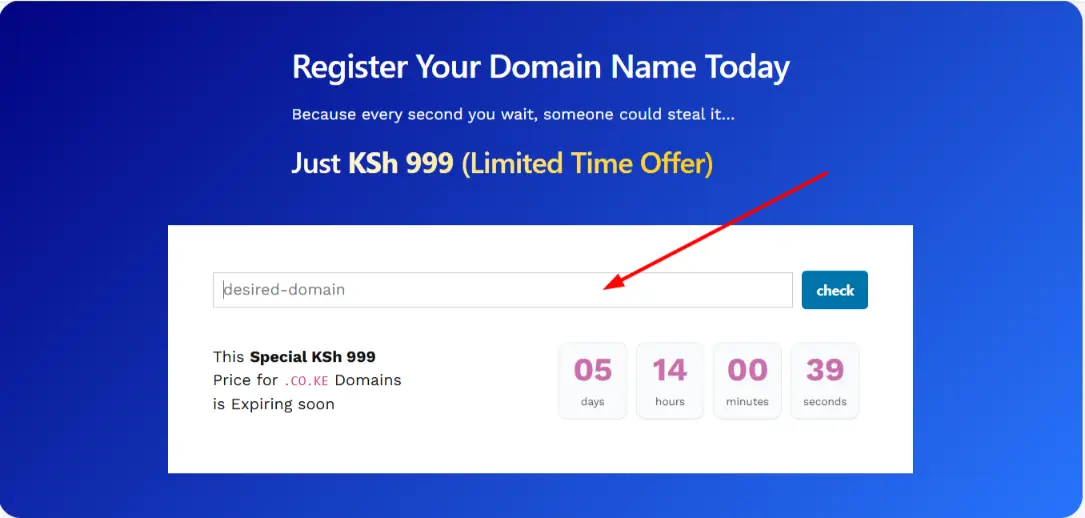
During checkout, locate the Domain Privacy or WHOIS/ID Protection option (usually a simple checkbox or add-on).
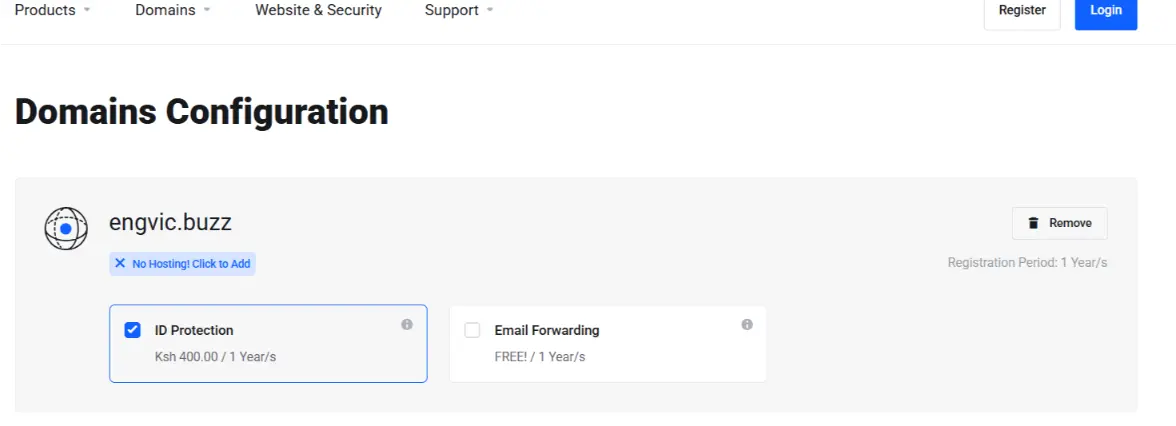
Select it and add it to your cart.
Review the order to ensure privacy is included, then complete payment.
After registration, log in to your Truehost account to verify activation. You can also perform a WHOIS lookup to confirm your personal details are masked.
For Existing Domains:
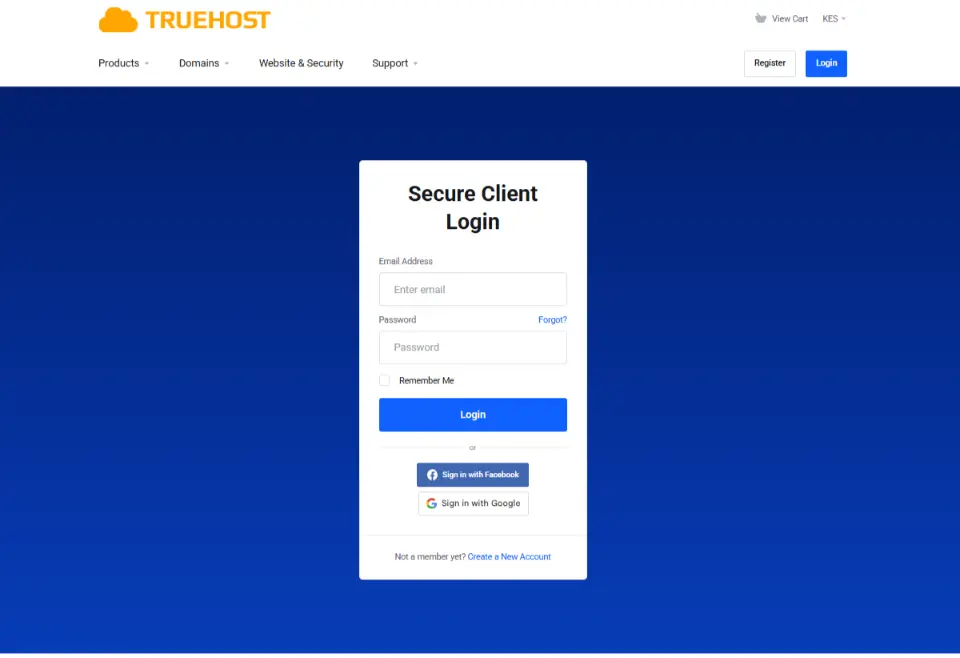
Log in to your Truehost client area.
Go to your domain list and select the domain you want to protect.
Look for Privacy, WHOIS Protection, or Domain ID Protection in the management options.
If not enabled, purchase and activate the add-on following the prompts.
Once applied, double-check via a public WHOIS lookup that your details now show the privacy service information.
The process usually takes just a few minutes and works across supported TLDs.
How Much Does Domain Privacy Cost?
Pricing varies by registrar, TLD, and included features. Factors include:
- Registrar policies
- Specific domain extension (some TLDs don’t support privacy)
- Additional perks like email forwarding or spam filtering
At Truehost, domain privacy (WHOIS/ID Protection) is available as an affordable add-on for KSh 400 per year per domain.
This low cost provides excellent value by keeping your contact details private while maintaining full ownership.
For certain Kenyan extensions like .ke, privacy handling may differ (sometimes included or restricted), so check availability during registration or in your account.
Common Myths and Misconceptions About Domain Privacy
- Domain privacy is only for hiding illegal activity: False. It’s a legitimate tool used by millions for basic personal data protection, similar to using a PO Box.
- It provides complete anonymity: No. Ownership is still traceable through legal channels, and you remain responsible for your domain’s use.
- Only big businesses need it: Anyone with a domain benefits; individuals and small Kenyan businesses are often prime targets for spam.
- Nobody uses it, so it’s unnecessary: Millions of domains worldwide use privacy services daily.
- It’s complicated or expensive to set up: With providers like Truehost, it’s quick and costs just KSh 400/year, cheaper than a single meal in Nairobi.
Domain Privacy FAQs
Can anyone still contact me if I use domain privacy?
Yes. The privacy service typically forwards legitimate inquiries to your real email, so you stay reachable for business or important communication without public exposure.
Will domain privacy protect me from all cyber threats?
It significantly reduces WHOIS-related risks like spam and reconnaissance, but it’s one layer only. Combine it with SSL certificates, strong passwords, regular updates, and good hosting security for comprehensive protection.
Can I remove or disable domain privacy later?
Yes. Truehost lets you toggle it on or off from your account. Keep in mind that disabling it will make your personal details visible again in public WHOIS.
Is domain privacy worth it in 2026?
Absolutely. In an era of increasing data harvesting, phishing, and regulatory scrutiny, hiding your personal information is a low-cost way to gain peace of mind and focus on growing your online presence.
Protect Your Domain with Truehost Today
Domain privacy is a smart, affordable investment for anyone who owns or plans to register a domain. If you’re in Nairobi building a business website, launching a personal blog, or managing multiple projects, it shields your details from public view while keeping you in control.
For just KSh 400 per year, Truehost’s WHOIS/ID Protection delivers reliable privacy on supported domains. Don’t wait until spam or a security incident forces your hand; enable domain privacy now and register or manage your domains securely with Truehost.
If you’re ready to get started, search for your perfect domain and add privacy protection during checkout at Truehost. Your information stays private, and your online journey stays protected.