 Domain SearchInstantly check and register your preferred domain name
 Web Hosting
 cPanel HostingHosting powered by cPanel (Most user friendly)
 WordPress HostingHost your WordPress website with fast, secure, and affordable WordPress hosting in Kenya.
 KE Domains
 Reseller HostingStart your own hosting business without tech hustles
 Windows HostingOptimized for Windows-based applications and sites.
 Free Domain
 Affiliate ProgramEarn commissions by referring customers to our platforms
 Free HostingTest our SSD Hosting for free, for life (1GB storage)
 Domain TransferMove your domain to us with zero downtime and full control
 All DomainsBrowse and register domain extensions from around the world
 .Com Domain
 WhoisLook up domain ownership, expiry dates, and registrar information
 VPS Hosting
 Managed VPSNon techy? Opt for fully managed VPS server
 Dedicated ServersEnjoy unmatched power and control with your own physical server.
 Website Builder
 Online Store BuilderLaunch a professional e-commerce store without writing code.
 Web Design ServiceGet a custom-designed website tailored to your brand and goals. From just KES 15,600
 BlogRead our guides on web hosting, online business, digital marketing, and more
 SupportOur support guides cover everything you need to know about our services
 ContactContact us via chat or email
Is your VPS about to expire, and you want to renew it without going offline?
Good, because that is a very real problem. When a VPS expires, and you do nothing about it, everything stops.
- Your website goes down.
- Your app stops working.
- Your emails stop sending.
- Anyone trying to reach you online gets nothing.
And it all happens the moment that the expiry date passes.
The good news is that when you renew a VPS server, the whole process takes just a few minutes if you know exactly what to do. And that is what this guide is for. We will walk through the seven steps to renew a VPS server so you can get it done fast and keep everything running smoothly.
But first, let’s make sure you understand what a VPS is.
A VPS, short for Virtual Private Server, is essentially a powerful computer that lives in a data center and runs 24 hours a day, 7 days a week. It runs your website, your apps, your databases, and sometimes your email too.
Think of it like the engine under the hood of your car. You might not see it, but the moment it stops working, nothing moves.
That is why you should never let your VPS expire without acting. Over 90% of midsize and large businesses report that a single hour of downtime costs them more than $300,000. Even for a small business or a personal project in Kenya, going offline hurts.
- You lose visitors
- You lose trust
- You lose money.
So let us make sure that never happens to you.
Here is exactly how to renew a VPS server, step by step.
1) Log in to Your VPS Hosting Account

The first thing you need to do to renew your VPS server is to log in to your hosting provider’s dashboard. If you are using Truehost, for example, go to their website and find the login page.
Once you are there, do this:
- Enter your email address, the one you used when you signed up
- Enter your password
- Click the login button
After that, you will land on your main dashboard. This is the control center for everything:
- Your domains
- Your hosting plans
- Your billing
- Your VPS
Take a moment to look around if you have never been here before. Everything you need to renew a VPS server is somewhere on this page.
2) Open Your VPS Services
Now that you are inside the dashboard, the next step is to find your VPS plan. It will not always be right in front of you, so here is where to look.
Navigate to a section called:
- Services, or
- My Services
Once you click on that, you will see a list of everything you have purchased from the provider, shared hosting, domains, VPS plans, and so on. Scroll through the list and find your VPS plan.
It might say something like “VPS 2GB RAM” or whatever plan you are on.
Click on it.
This opens the full details of your VPS, including when it expires and how much it costs to keep it running.
3) Select the VPS You Want to Renew
Inside the VPS details page, look for a button or link that says:
- Renew, or
- Pay Now
If you have more than one VPS, make sure you click the right one. Check the name, the IP address, or the plan details to confirm it is the correct server before clicking anything.
Once you click Renew or Pay Now, the system will take you to the billing section, where you can choose how long you want to keep your server active.
This is where things start moving forward.
4) Choose Your Renewal Period
This step is very important. You will be asked to pick how long you want to renew a VPS server for. The common options are:
- Monthly: You pay every month and renew regularly
- Quarterly: You pay every three months
- Yearly: You pay once for the whole year
Here is a tip that many people ignore: the longer the period you choose, the less you have to worry about your server going offline because you forgot to renew.
On average, downtime costs small businesses between $137 and $427 per minute. Even one forgotten renewal can cost you real money. So if you can afford it, go for quarterly or yearly. It saves you the stress of logging in to renew every single month.
Pick the option that fits your budget and click to continue.
5) Review the Invoice
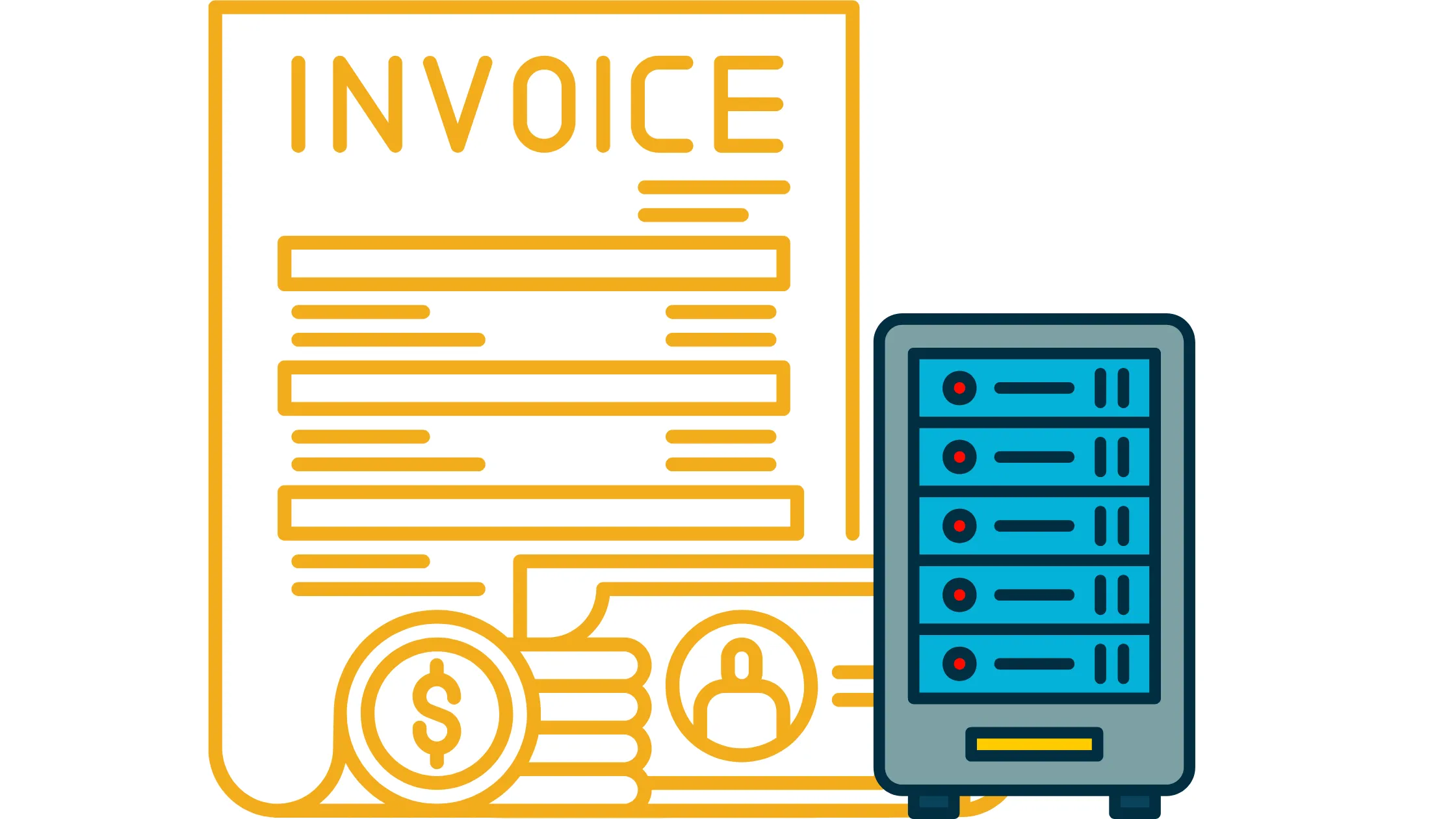
Before you pay a single shilling, stop and check the invoice carefully. This is a step that many beginners skip, and then end up paying for the wrong thing.
On the invoice, confirm:
- VPS plan: Check the CPU, RAM, and storage. Make sure it matches your current server
- Renewal duration: Confirm it says monthly, quarterly, or yearly, depending on what you chose
- Total cost: Make sure the amount looks right, and there are no unexpected charges
If anything looks wrong, do not pay yet. Go back and fix it first. Once you pay, reversals can take time and cause delays.
So double-check everything on this page before moving forward.
6) Complete the Payment
Everything looks good? Great. Now it is time to pay and officially renew a VPS server.
Choose your preferred payment method. Most providers, including Truehost, give you options like:
- Card: Visa or Mastercard
- Mobile money: M-Pesa and other local options
- Bank transfer for larger payments
Once you pick your method:
- Click Pay Now
- Follow the steps to complete the payment
- Wait for the confirmation message
In most cases, the renewal happens instantly.
As soon as your payment goes through, your VPS status updates automatically, and your expiry date moves forward. You do not have to wait for someone to do it manually.
7) Confirm VPS Is Active

After the payment, do not just close the tab and assume everything is fine. Take two minutes to confirm that your VPS is actually active and running.
Go back to your services page and check:
- Status: It should now say Active
- Expiry date: It should show the new date based on your renewal period
If both of those look correct, you have successfully renewed your VPS server, and everything should continue running without any interruption.
But just to be safe, do one more check.
Quick Check After Renewal
This is a small but very important habit to build. After you renew a VPS server, always verify that everything on the server is still working properly.
Here is what to do:
- SSH into your server: SSH is a way to connect to your server directly using a terminal. If it connects without errors, the server is running fine.
- Check your apps are running: If you run any applications, log in and make sure they are responding normally.
- Open your website or API: Type your domain into a browser and see if it loads
If everything loads fine, your VPS is healthy, and your renewal was successful. 93% of companies that experience prolonged data loss go bankrupt within the following year, which tells you how serious it is to stay on top of your server’s status.
A quick check after renewal takes less than five minutes and gives you full peace of mind.
If something does not load, do not panic. Check whether your apps are running inside the server, restart any services that may have stopped, or contact your hosting provider’s support team.
Renew Your VPS With Confidence
Learning how to renew a VPS server is one of the most important habits you can build as a website owner or developer. Your whole online presence depends on that server staying active. Miss the renewal, and everything goes offline, your site, your app, your emails, all of it. But when you stay on top of it and follow the right steps, the process takes less than five minutes.
When you renew a VPS server the right way, it is honestly a very simple process. Here is a quick summary of the whole thing:
- Log in to your hosting dashboard
- Open your VPS services
- Select the VPS you want to renew
- Choose your renewal period
- Review the invoice carefully
- Complete the payment
- Confirm the status is active
- Do a quick check to make sure everything works
Stay ahead of your VPS server expiry dates, pick longer renewal periods when you can, and always confirm your status after paying. Head to Truehost today, where renewing a VPS server is fast, simple, and supported with local payment options that work right here in Kenya.
Frequently asked question;
Can I set my VPS server to renew automatically?
Yes, most hosting providers allow you to turn on automatic renewals through your dashboard. You just need to link a valid payment method, like a credit card or a local mobile money account, to your profile. The system will then automatically process the payment a few days before your actual expiry date.
What happens if my VPS server expires before I renew it?
If your server expires, your website, applications, and emails will instantly go offline. Most hosting providers will hold your data safely in a suspended state for a short grace period, usually between 5 to 14 days. However, if you do not renew within that grace period, the server is permanently deleted, and all your files are lost.
Will I lose my data or website files during a manual renewal?
No, you will not lose any data or files when you renew your server. The renewal process simply extends your subscription period and keeps your current hosting environment active. Your files, databases, configurations, and IP addresses will remain exactly as they are.
How early should I renew my VPS server?
It is best to renew your server at least one to two weeks before the official expiry date. Renewing early does not cut your current subscription short; it simply adds the new time onto your existing remaining days. Doing this gives you a safe buffer to handle any unexpected payment delays or billing issues.
Can I change my billing cycle or upgrade my plan when renewing?
Yes, the renewal period is the perfect time to switch your billing cycle or adjust your resources. You can choose a longer period, like an annual plan, to save money on the total cost. You can also use this opportunity to upgrade your RAM, CPU, or storage space if your project has grown.