 Domain SearchInstantly check and register your preferred domain name
 Web Hosting
 cPanel HostingHosting powered by cPanel (Most user friendly)
 WordPress HostingHost your WordPress website with fast, secure, and affordable WordPress hosting in Kenya.
 KE Domains
 Reseller HostingStart your own hosting business without tech hustles
 Windows HostingOptimized for Windows-based applications and sites.
 Free Domain
 Affiliate ProgramEarn commissions by referring customers to our platforms
 Free HostingTest our SSD Hosting for free, for life (1GB storage)
 Domain TransferMove your domain to us with zero downtime and full control
 All DomainsBrowse and register domain extensions from around the world
 .Com Domain
 WhoisLook up domain ownership, expiry dates, and registrar information
 VPS Hosting
 Managed VPSNon techy? Opt for fully managed VPS server
 Dedicated ServersEnjoy unmatched power and control with your own physical server.
 Website Builder
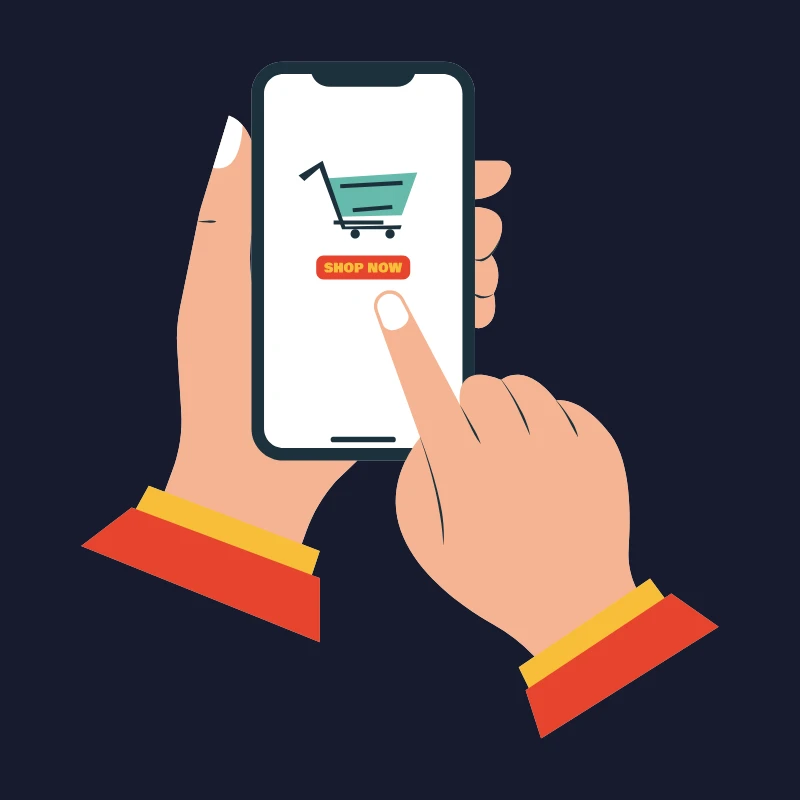 Online Store BuilderLaunch a professional e-commerce store without writing code.
 Web Design ServiceGet a custom-designed website tailored to your brand and goals. From just KES 15,600
 BlogRead our guides on web hosting, online business, digital marketing, and more
 SupportOur support guides cover everything you need to know about our services
 ContactContact us via chat or email
If you’re thinking about launching an online store, the timing has never been better.
Kenya’s ecommerce market serves 12 million online buyers in 2026, expanding at 15-20% annually.
That’s over 40% of Kenyans now shopping online.
But success requires more than just uploading products to a website.
This guide walks you through every essential step, from choosing a platform to managing operations and scaling your business.
Foundation phase
1) Choose your ecommerce platform
The platform you select will shape everything about your store, so this decision is critical.
You have several solid options, each with different tradeoffs:
a) Hosted platforms like Olitt, Shopify and Tradly handle hosting, security, and updates for you.
The downside: you pay monthly fees and have less customization control. Shopify starts at around $30 per month and offers built-in payment processing.
Olitt is the most affordable option for online shops at just $36 per year. That’s about Kes 4,500.
b) Self-hosted platforms like WooCommerce give you more control and lower costs initially, but require managing your own hosting and security.
This works if you’re comfortable with technical details or can hire someone to manage it.
For most small businesses in Kenya, a platform that handles mobile optimization, integrates M-Pesa and other local payment methods, and doesn’t require coding is the ideal starting point.
Your choice should match your technical comfort level, budget, and growth timeline.
2) Register your domain
Your domain is your store’s address on the internet. Choose a name that’s memorable, brand-relevant, and easy to spell.
Most domains cost between KES 500 and KES 3,500 per year for registration.
For a Kenya-focused business, consider .CO.KE domains, which cost as little as KES 999 for the first year and signal local credibility.
If you plan international expansion, .COM domains (From KES 1,200 annually) offer broader appeal.
Once you’ve chosen a name, register it immediately. Popular names get taken quickly, and you’ll want to protect your brand identity.
3) Secure reliable hosting and SSL certificates
Hosting determines your store’s uptime, speed, and ability to handle traffic.
Look for hosting that promises at least 99.9% uptime and includes regular backups.
An SSL certificate (indicated by "https://" in your web address) is non-negotiable. It encrypts customer data during checkout for online transactions.
Many hosting providers, including Truehost include free SSL certificates, so always verify this before signing up.
Beyond security, fast loading speeds is important for sales.
Studies consistently show that even a one-second delay reduces conversions. Choose hosting optimized for ecommerce with SSD storage and content delivery networks (CDNs) if possible.
Setup phase
4) Design your store and organize products strategically
Your store’s design determines whether visitors stay or leave.
You want to keep navigation intuitive with clear product categories. If you sell clothing, organize by item type (shirts, dresses, shoes) or by audience (men, women, kids), not by obscure internal categories.
Include high-quality product images. Take photos from multiple angles, include zoom capabilities, and show the product in use if possible.
Poor images tank conversions more than almost anything else.
Write detailed, original product descriptions. Don’t copy manufacturer descriptions.
Good products descriptions frontload benefits to the users.
Mobile optimization is essential. Over 70% of Kenyan online shoppers use phones exclusively. Test your store on multiple devices and screen sizes. Every page should load fast and display clearly on a 6-inch phone screen.
Also, consider adding personalization features like “recommended for you” sections based on browsing history.
These small touches increase average order value and encourage repeat purchases.
5) Configure payment gateways for local and international payments
Payment integration can make or break your store.
M-Pesa is essential. It’s the most trusted payment method in the country, and most online shoppers expect to see it.
Integration is straightforward through gateways like Pesapal, Pawapay, or TAP. Olitt Supports this off so you don’t need to spend a dime extra to implement it.
Stripe and PayPal handle international payments and credit/debit cards.
Stripe is particularly useful if customers have international cards or if you plan to offer digital products.
Beyond payment methods, display security signals prominently. Show your SSL certificate status with a padlock icon or trust badge.
This builds confidence, especially with first-time buyers who may be hesitant about online payments.
Be sure to keep the checkout process simple. Don’t ask a million and one details when all you need is an email address, first name and a phone number.
Always ask for the information your business will use. You can enhance the user data later after closing the deals.
Long forms with unnecessary fields cause cart abandonment.
You could even think of offering a guest checkout option so users can complete purchases without creating an account.
6) Set up shipping and logistics
Shipping reliability directly impacts customer satisfaction. Slow or unreliable delivery kills trust faster than almost anything else.
Partner with established logistics providers. DHL Express offers nationwide coverage and international shipping.
Local couriers work for domestic orders and typically cost less.
Offer multiple shipping options:
- Pickup at location (cheapest option, appeals to budget-conscious customers)
- Delivery to home (customers pay for convenience)
- Cash on delivery (popular in Kenya for builds trust)
Calculate shipping costs based on weight and destination.
Be transparent: show customers exactly how much they’ll pay before they complete the purchase.
Hidden shipping fees cause refund requests and negative reviews.
Another good practice for online stores is providing tracking information for every order.
Customers feel more confident when they can monitor delivery progress. Many logistics providers offer tracking links you can send automatically.
7) Ensure Kenya legal compliance
Launching a legal business requires several registrations. This sounds complex, but it protects you and your customers.
Start with the Business Registration Service (BRS) to formally register your business. Then register with the Registrar of Companies if you’re forming a limited company.
You must register with the Kenya Revenue Authority (KRA) for tax purposes.
The next step would be getting a business permit from your county government if you run a physical store.
Requirements vary by county and industry, so contact your local administration office.
Beyond registration:
Compliance also includes creating:
- Terms and Conditions page explaining your policies, payment methods, and dispute resolution.
- Privacy Policy page for detailing how you handle customer data.
- Refund Policy page with your specific terms.
Also, you need to display contact information clearly on your website: email, phone number, physical address, and support chat option.
Marketing and growth phase
8) Implement SEO to capture organic search traffic
Most online shoppers use Google to find products. If your store doesn’t rank, potential customers never find you.
To get started with SEO:
- Do keyword research: Use Google Trends and Google Search Console to understand what your potential customers search for.
This way, you don’t guess what keywords to go after, instead you let the data show you.
Don’t have your own data yet? Grab one or two competitors and analyze their strategies using tools like Ubersuggest, SE Ranking, SEMRush, or Ahrefs. - Optimize your product pages for these keywords: Include relevant terms naturally in product titles, descriptions, and image alt text.
A good product title includes both the keyword and a benefit: “Organic Cotton Fabric: Breathable, Kenya-Friendly” ranks better than just “Cotton Fabric.” - Write blog posts addressing customer questions:
Content marketing remains one of the most sustainable ways to grow your business, even in the world of AI.
If you sell phone accessories, write a post about “Best phone cases for Kenya’s heat and dust” or “How to protect your phone during the rainy season.”
This builds authority and captures long-tail keywords. - Invest in Technical SEO: This is something you can learn how to do it, or hire someone from a platform like Fiverr to do it for you.
Essentially, you’re making sure that an interaction with your website is an experience when it comes to how fast your pages load, how responsive they are across all devices including mobile, how navigation is set up, and even how images are optimized and uploaded.
9) Build your social media and email marketing presence
Social media is where Kenyans discover products.
Facebook and Instagram offer the broadest reach, while TikTok captures younger audiences.
You want to post consistently, focusing on quality over quantity. Three great posts per week beat seven mediocre ones.
Show real products, customer testimonials, behind-the-scenes content. Avoid purely promotional content, which people ignore.
Email marketing often outperforms social media for sales. Collect email addresses through signup forms, offer discounts for subscribers, and send regular newsletters.
A simple weekly email highlighting new products, tips, and special offers drives repeat purchases.
Segmentation is a great email marketing asset that most people tend to ignore.
Customers who bought shoes might appreciate shoe care tips and new shoe releases.
This personalization increases engagement and sales.
Influencer partnerships also work well in Kenya. You don’t need celebrities.
Micro-influencers (10,000 to 100,000 followers) often have highly engaged audiences and charge reasonable rates.
A micro-influencer in fashion who genuinely loves your products will drive more relevant traffic than a large account promoting everything.
Run promotions strategically. Consistent discounts erode profit margins. Instead, use limited-time offers to create urgency: “Flash sale this weekend” drives more conversions than “Always 20% off.”
Profitability and scaling phase
10) Monitor key metrics and optimize continuously
Success requires data, not guessing. Track these essential metrics:
- Conversion rate (percentage of visitors who buy)
- Average order value (total sales divided by number of orders)
- Customer acquisition cost (total marketing spend divided by new customers)
- Repeat purchase rate (percentage of customers who buy again)
Set up Google Analytics to monitor these metrics automatically. Your platform’s dashboard provides sales data, but Google Analytics shows how customers navigate your site.
New to Analytics? You can use a tool like Glarify that helps non marketers make sense of their own data faster.
Use this data to test and improve. If your conversion rate is 1% but the industry average is 2%, something in your checkout flow needs improvement.
Test changes:
- Try a different product photo,
- Simplify checkout steps, reduce form fields.
- Add a demo video
Don’t be afraid to ask customers for feedback. Real feedback often reveals issues you wouldn’t discover alone, no matter how good you are at your job.
11) Plan for growth and scaling
Once your store is profitable and running smoothly, growth becomes possible. Early success often happens through:
- Expanding product lines based on customer demand
- Hiring support staff to handle customer service and order fulfillment
- Increasing marketing spend on channels that work
- Improving inventory systems for larger volumes
Many successful Kenyan stores eventually list on marketplaces like Jumia or Kilimall alongside their own stores.
This expands reach, though these platforms take commissions.
Mobile apps can increase repeat purchases, though they require more technical resources.
Start with a great mobile website before building an app.
The long-term vision might include a multi-vendor marketplace where other sellers list products on your platform.
This generates revenue through commissions and builds network effects. But this phase comes much later, after you’ve proven the core business model.
Getting started with Truehost
Building an online store doesn’t require expensive tools or technical expertise.
Truehost offers an affordable, all-in-one solution: hosting, free domain registration, an AI-powered website builder, and built-in online store functionality.
With Truehost, you get everything needed to launch:
- Affordable hosting with 99.9% uptime guarantee
- Free domain with your first year of hosting for select plans
- AI Website builder that builds you a complete website
- Built-in online shop with product management
- SSL certificate included for security
- M-Pesa integration for local payments
- Kenya-based support when you need help
Whether you’re just starting or scaling an existing store, Truehost’s plans grow with your business. You get the infrastructure serious online stores need without the enterprise price tag.
Starting an Online Store (FAQs)
How much does it cost to build an online store in Kenya?
Startup costs are typically KES 5,000 to KES 20,000 annually for domain and hosting.
Additional costs depend on platform choice, shipping setup, and marketing budget.
Truehost’s web hosting packages start at KES 2,500 per year, making it accessible for beginners.
What’s the easiest ecommerce platform for beginners with no technical skills?
Hosted platforms like Olitt, and Shopify are easiest because they handle technical details.
Truehost’s website builder (Olitt) is also designed for non-technical users with drag-and-drop simplicity.
Do I need a business registration to start selling online in Kenya?
Technically, informal selling doesn’t require registration, but registering protects your business legally.
Once you reach a certain income threshold, KRA (Kenya Revenue Authority) requires tax registration.
Registration gives customers confidence and allows you to open a business bank account.
Which payment gateway is best for an online store in Kenya?
There’s no single ‘best’ gateway.
M-Pesa is essential for local customers. Stripe and PayPal handle international payments and cards.
Most successful stores integrate multiple options so customers can choose their preferred method.
How long does it take for a new online store to get its first sale?
This varies dramatically.
With aggressive marketing and good product selection, some stores get sales within days.
Without marketing, stores can sit idle for weeks. Budget at least 4-8 weeks to test products, refine marketing, and build a customer base.
Can I run an online store alongside a physical shop?
Yes, absolutely.
Many successful retailers run both channels simultaneously. Your online store reaches customers outside your physical location, and your physical shop drives online awareness.
They complement each other well.
What’s the profit margin for online stores in Kenya?
This depends entirely on your product category and sourcing.
- Clothing typically has 40-60% margins.
- Electronics have tighter margins, around 20-30%.
- Services and digital products have the highest margins.
You will need to calculate or determine your margins based on your sourcing costs, platform fees, and shipping expenses