 Domain SearchInstantly check and register your preferred domain name
 Web Hosting
 cPanel HostingHosting powered by cPanel (Most user friendly)
 WordPress HostingHost your WordPress website with fast, secure, and affordable WordPress hosting in Kenya.
 KE Domains
 Reseller HostingStart your own hosting business without tech hustles
 Windows HostingOptimized for Windows-based applications and sites.
 Free Domain
 Affiliate ProgramEarn commissions by referring customers to our platforms
 Free HostingTest our SSD Hosting for free, for life (1GB storage)
 Domain TransferMove your domain to us with zero downtime and full control
 All DomainsBrowse and register domain extensions from around the world
 .Com Domain
 WhoisLook up domain ownership, expiry dates, and registrar information
 VPS Hosting
 Managed VPSNon techy? Opt for fully managed VPS server
 Dedicated ServersEnjoy unmatched power and control with your own physical server.
 Website Builder
 Online Store BuilderLaunch a professional e-commerce store without writing code.
 Web Design ServiceGet a custom-designed website tailored to your brand and goals. From just KES 15,600
 BlogRead our guides on web hosting, online business, digital marketing, and more
 SupportOur support guides cover everything you need to know about our services
 ContactContact us via chat or email
Your domain name is not yours forever; miss one renewal, and you could lose it overnight.
It sounds dramatic, but that’s the reality many website owners only discover when it’s too late. A domain might feel like a permanent digital asset, something you “own” once and move on, but in truth, it works more like a lease. You’re paying for the right to use it for a specific period, and that right needs to be renewed to stay active.
When a domain isn’t renewed on time, the consequences can hit fast. Your website can go offline without warning. Emails tied to your domain stop working. Visitors trying to reach you are met with errors instead of your content or services. And worse, your domain name, the one tied to your brand, your business, your online identity, can be snapped up by someone else.
Here’s the part most people overlook: domains are registered for a fixed period, usually between one and ten years. Once that period ends, the clock starts ticking. If you don’t act within the renewal window, you risk losing everything connected to that name.
For businesses, bloggers, and creators in Kenya, this is a real business risk. Your domain is your online storefront, your credibility, and often your first impression. Losing it, even temporarily, can disrupt operations and shake customer trust.
The good news? Staying in control of your domain is simple when you have the right setup. Platforms like Truehost make it easy to track expiry dates, manage renewals, and keep everything running without stress.
What Happens When a Domain Expires?
According to ICANN policies, most generic top-level domains (gTLDs) follow a structured process consisting of a renewal grace period, a 30-day Redemption Grace Period, and a 5-day Pending Delete phase.
When a domain reaches its expiration date and isn’t renewed in time, it doesn’t disappear right away.
The domain name system, governed by registries and ICANN policies for most global TLDs, provides a series of structured stages. These give the original owner multiple opportunities to recover the domain before it’s permanently released for anyone to register.
The process varies slightly depending on the top-level domain (TLD), such as .com (governed by Verisign under ICANN rules) versus .ke (managed by KeNIC in Kenya). However, the core stages remain similar: an initial grace period for easy renewal, a redemption period with extra costs, and a final pending delete phase before public release.
Immediate Effects Upon Expiration
The moment the expiration date passes without renewal, the domain stops functioning normally. DNS resolution fails, meaning your website no longer loads (visitors typically see a “site not found” error, a parking page, or a blank screen).
Email services using the domain (like [email protected]) stop working entirely, and messages bounce or get lost.
This sudden downtime can damage your business reputation, lose potential customers, and harm SEO as search engines notice the site is inaccessible. Acting quickly during the early stages is essential to minimize disruption.
The Stages of Domain Expiration
1) Grace Period
This is the most forgiving stage, designed to protect owners who forget or face payment issues.
Duration: Typically 0–45 days for most gTLDs like .com, .net, or .org, often around 30 days, based on ICANN guidelines and registrar practices (some registrars offer up to 40 days).
For Kenyan .ke domains, it’s generally longer, up to 90 days according to KeNIC policies and providers like Truehost.
What you can do: Renew at the standard renewal price with no extra fees. The domain remains under your control in your registrar account, though the website and email are offline.
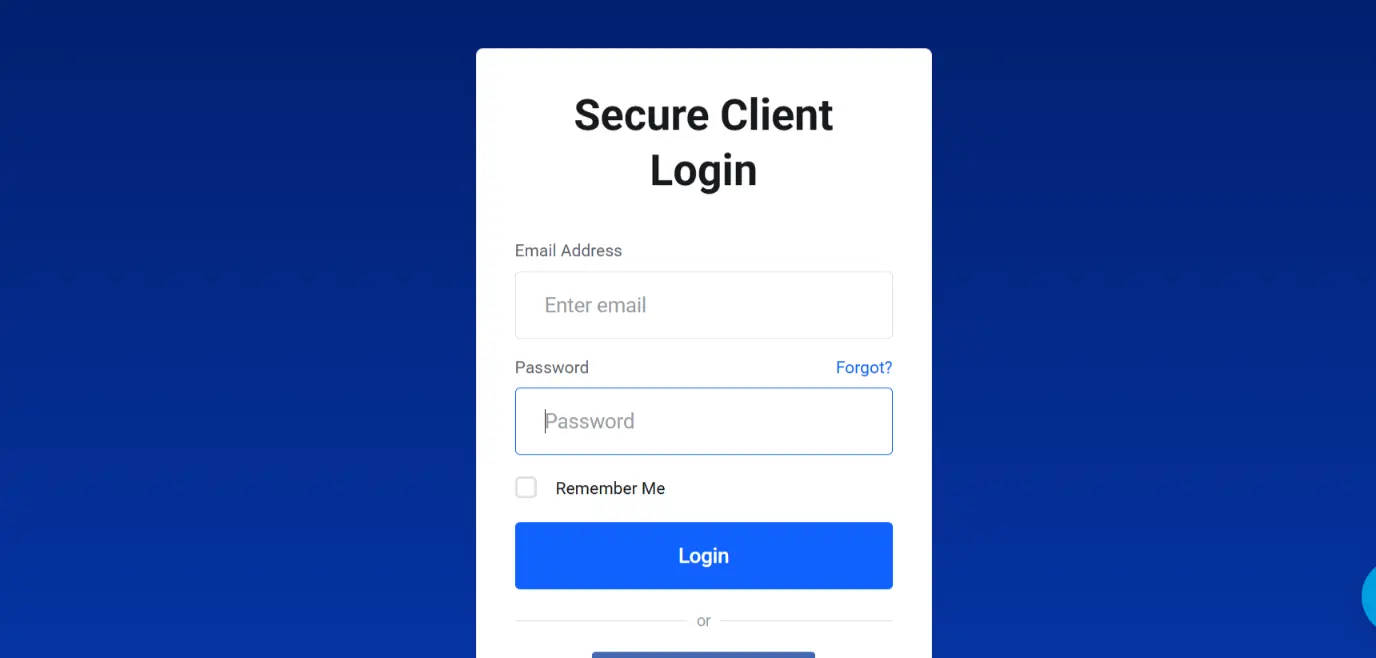
Check your domain status immediately after expiration. Log in to your registrar (e.g., Truehost client area) and renew right away to avoid progressing to costlier stages.
Example: A .com domain expiring on March 1, 2026, stays in grace until roughly March 31 (30 days). A .co.ke or .ke might extend to late May or June.
2) Redemption Period
If you miss the grace period, the domain enters redemption, still recoverable, but with penalties to discourage neglect.
Duration: Usually 30 days for ICANN-compliant gTLDs (some registrars note 30–45 days). For .ke domains, it can vary, but often aligns with similar timelines after the extended grace.
What happens: The domain is deleted from active status at the registrar level but held by the registry. You lose normal control, and services remain down.
Recovery: Possible through your registrar, but you pay a redemption fee (often substantial) plus the standard renewal cost.
At Truehost, for example, redemption for .com might cost around KSh 15,000 (plus renewal), while grace remains free. Fees vary by TLD and registrar; always confirm current rates.
Why it exists: ICANN’s Expired Registration Recovery Policy mandates this 30-day window for gTLDs to allow restoration before full deletion. Contact support (Truehost offers guidance for Kenyan users) promptly if your domain reaches here.
Risk: Delaying means higher costs and no guarantee of success if the registrar has specific rules.
3) Pending Delete
This is the final warning stage; there is no recovery for the original owner.
Duration: A short 5-day period (standard for most gTLDs under ICANN).
What happens: The domain is queued for permanent deletion from the registry database. It cannot be renewed, redeemed, or transferred.
After this: Once the 5 days end, the domain is purged and becomes available for public registration on a first-come, first-served basis (sometimes via auctions for high-value names). Anyone, including competitors or domain investors, can grab it.
Implication: This is the point of no return. If your brand domain ends up here, you may have to negotiate repurchase at a premium or choose a new one.
Costs Associated with Renewal and Redemption
Renewal fees depend on your registrar and the domain extension (TLD). At Truehost, for example:

- .com renewal is around KSh 1,600 per year.
- .co.ke renewal is around KSh 1,200 per year.
- .ke renewal is around KSh 3,000 per year.
- .africa renewal is around KSh 2,000 per year.
(Prices can vary; check Truehost’s current domain pricing for the latest details.)
Redemption fees during the redemption period are significantly higher than standard renewal, often including an extra charge plus renewal cost. Acting in the grace period avoids these added expenses entirely.
That’s it, your domain is now secure for another term!
What to Do If Your Domain Has Already Expired
Act fast depending on the stage:
- If still in the grace period, log in and renew immediately; no extra fees apply.
- If in redemption, contact your registrar (Truehost support can assist Kenyan users) to restore it, though expect higher costs.
- If in pending delete, monitor the domain closely; once released, you may re-register it quickly before others do.
Truehost’s support team offers guidance for domain recovery tailored to Kenyan registrants.
How to Avoid Domain Expiration
Keeping your domain active is much easier than trying to recover it later. Simple steps like enabling auto-renewal, setting reminders, and updating your contact details can save you from downtime and extra costs.
While local domains like .ke and .co.ke may offer longer grace periods, delays can still lead to expensive recovery fees, so it’s best not to rely on the buffer.
With Truehost, you can easily track expiry dates, get reminders, and renew your domain in minutes.
Don’t risk losing your domain. Log in to Truehost today, renew it, and turn on auto-renewal to keep everything running smoothly.
Domain Name Expiration FAQs
What happens to my website files or hosting if the domain expires?
Your hosting and files stay safe (if hosting is paid separately), but the domain stops pointing to them, and visitors see errors. Renewing reconnects everything automatically with no data loss.
Can I transfer a domain to another registrar after it expires?
No, transfers are blocked during grace, redemption, or pending delete. Renew or redeem it first with your current registrar (Truehost can help).
Is auto-renewal reliable for all domains, including .ke and .co.ke?
Yes, for most TLDs if your payment method stays valid. Kenyan ccTLDs (.ke, .co.ke) have longer grace periods, and Truehost makes auto-renewal easy to set up and monitor.
Can I recover a domain after it’s deleted and publicly available again?
Once released, it’s first-come, first-served. You can try to re-register quickly through Truehost, but valuable names are often taken instantly by others.
How do expiration rules differ for .ke/.co.ke vs .com domains?
Kenyan domains (.ke, .co.ke) typically offer up to 90 days grace (vs ~30 days for .com), with local redemption rules. Truehost handles both smoothly with clear local pricing and support.